


Small rental flats in Croatia and the UK often carry a reputation for being cramped and uninspiring, yet the reality can be quite the opposite. As cities grow and available land shrinks, knowing how to create functional, attractive living spaces is more important than ever for property investors. Well-designed compact homes, using smart storage and multifunctional solutions, can feel just as comfortable and appealing as spacious properties—often leading to higher tenant satisfaction and rental returns.
Table of Contents
- Defining Small Space Design and Its Myths
- Key Layout Types and Adaptable Solutions
- Maximising Rental Value Through Design Choices
- Common Pitfalls and Practical Solutions
Key Takeaways
| Point | Details |
|---|---|
| Emphasise Functional Design | Small space design maximises usability and tenant satisfaction, proving that intentional layouts attract higher rents. |
| Leverage Vertical Storage | Optimising storage solutions vertically helps reclaim floor space, making compact apartments feel more spacious. |
| Prioritise Quality Materials | Investing in durable, quality finishes enhances long-term rental appeal and reduces maintenance costs. |
| Incorporate Multifunctional Furniture | Using versatile furniture that serves multiple purposes increases functionality, making the space adaptable for tenants’ varied needs. |
Defining Small Space Design and Its Myths
Small space design is far more than cramming furniture into a studio flat. It’s about creating functional, beautiful environments where every square metre serves a purpose. For rental properties, this approach transforms tight spaces into competitive advantages that attract quality tenants.
Urbanisation has fundamentally changed how people live. Limited land availability means smaller apartments are now standard rather than temporary. The UK and Croatia both face similar pressures, making compact design a critical skill for property investors.
Small space design combines strategic planning, multifunctional solutions, and intentional styling. It addresses both practical challenges (storage, traffic flow, usability) and psychological ones (how spaces feel to occupy). The goal is ensuring compact apartments feel spacious, comfortable, and genuinely liveable.
What Small Space Design Actually Means
Small space design applies to dwellings roughly 40-60 square metres or smaller, though the principles work for any space feeling cramped. The philosophy isn’t about minimalism or sacrificing comfort. Instead, it’s about intelligent organisation that maximises every function and square metre.
Key principles include:
- Using vertical storage to reclaim floor space
- Selecting multifunctional furniture that serves multiple purposes
- Creating visual flow that makes spaces feel larger
- Implementing strategic lighting to enhance perceived spaciousness
- Choosing cohesive styling that unifies disparate areas
Research shows that well-organised compact dwellings can be as comfortable and attractive as larger spaces through smart design interventions. The difference lies in intentionality rather than square footage.
For rental properties, small space design directly impacts tenant satisfaction and retention. A poorly designed 45 square metre flat feels claustrophobic and difficult to live in. The identical space, thoughtfully designed, feels open and functional.
Small spaces require deliberate design choices, not desperate compromises. Every element should serve multiple purposes and contribute to the overall experience.
The Myth: Small Spaces Are Inherently Uncomfortable
This is perhaps the most damaging belief. Many landlords assume compact apartments will always disappoint tenants, leading to lower rents and higher vacancy rates.
The reality differs sharply. Thoughtful design interventions create positive spatial experiences regardless of square footage. Tenants in well-designed small spaces often report higher satisfaction than those in poorly designed larger ones.
Several factors contribute to comfort beyond size:
- Natural light access and strategic artificial lighting
- Air circulation and ventilation quality
- Visual clarity without cluttered or cramped aesthetics
- Functional furniture layout enabling comfortable movement
- Acoustic design reducing noise transmission
A small space with excellent light, comfortable seating, and organised storage often feels more welcoming than a large space with poor lighting and scattered furniture.
The Myth: Small Spaces Cannot Accommodate Style
Many investors treat small rental spaces as purely functional boxes. They assume aesthetic considerations are secondary to fitting everything in. This misconception costs them rental premium and competitiveness.
Small spaces can showcase sophisticated design. Cohesive colour schemes, intentional material choices, and curated furnishings create visually appealing environments. Style and function aren’t competing priorities—they work together.
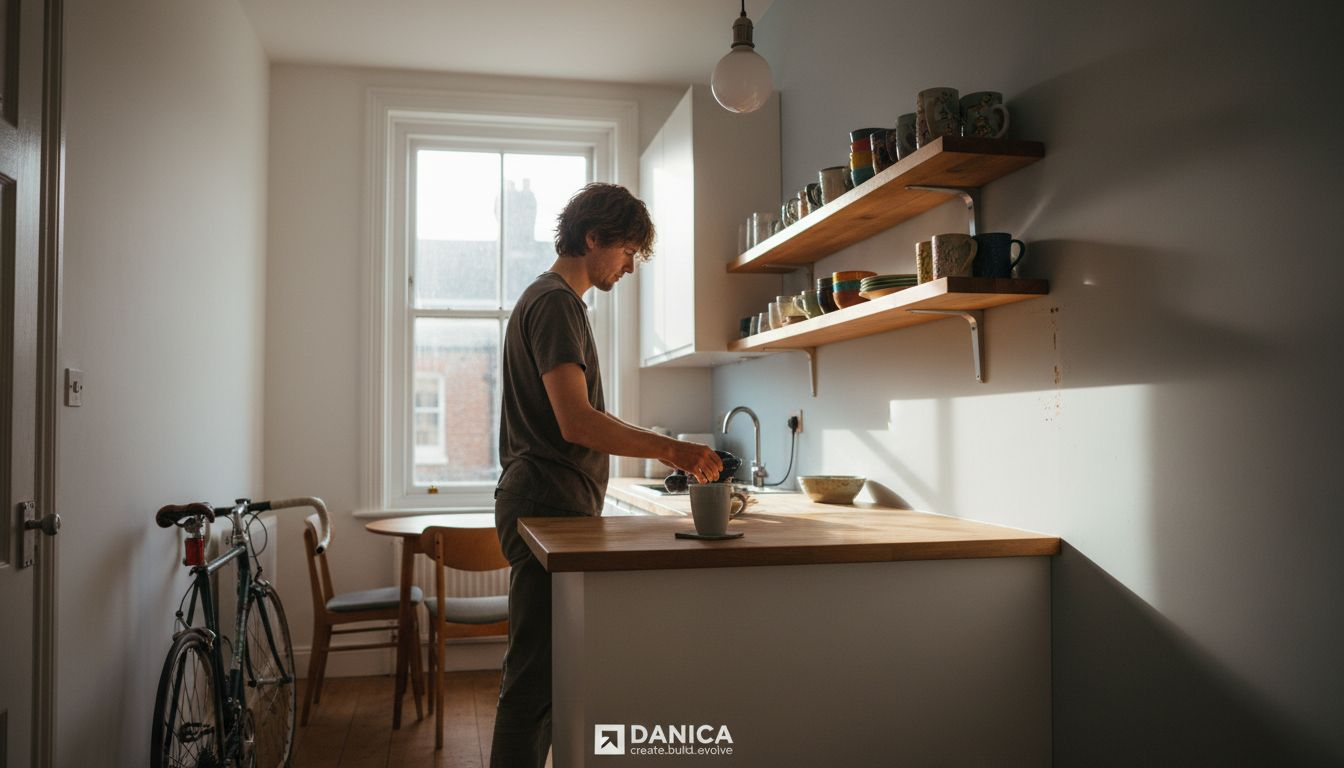
Creating welcoming interiors directly impacts rental appeal and tenant retention. Tenants willingly pay more for spaces that feel thoughtfully designed rather than merely functional.
When designing small rental spaces, consider:
- Colour palettes that create visual cohesion
- Material selection that reflects quality and durability
- Décor elements that personalise without cluttering
- Lighting fixtures that serve both function and aesthetic purposes
- Textural variety adding visual interest and warmth
A small flat with white walls, coordinated furnishings, and layered lighting feels intentional and premium. The same space with mismatched furniture and institutional paint feels temporary.
The Myth: Multifunctional Furniture Always Looks Cheap
Quality multifunctional pieces exist across all price points. The stereotype of flimsy sofa beds and unstable murphy beds no longer applies to modern furniture design.
Many premium furniture makers now specialise in compact living solutions. Storage ottomans, transformable desks, and integrated shelving systems combine durability with practicality. Investment in quality pieces pays dividends through tenant satisfaction and property longevity.
Examples of effective multifunctional solutions:
- Beds with integrated storage drawers or shelving
- Dining tables that expand or fold away
- Modular seating systems that reconfigure for different uses
- Wall-mounted desks doubling as shelving units
- Ottomans providing seating, storage, and foot rests
Multifunctional furniture doesn’t mean sacrificing quality or aesthetics. Modern designs integrate practicality with visual appeal seamlessly.
When selecting pieces for rental properties, prioritise durability and timeless design. Trendy furniture in compact spaces dates quickly and feels dated faster.
The Myth: Small Spaces Negatively Affect Mental Wellbeing
Common belief suggests cramped living necessarily reduces psychological comfort and mental health. Research contradicts this assumption entirely.
Thoughtful design interventions like colour patterns, strategic lighting, and optical illusions transform perceived limitations into positive experiences. A small, well-designed space enhances occupant wellbeing more than a large, poorly designed one.
Design elements directly affecting psychological experience include:
- Colour psychology creating calm, energised, or focused moods
- Natural light exposure supporting circadian rhythms
- Visual depth through layering and focal points
- Organised storage reducing cognitive load from clutter
- Personal space definition creating distinct functional zones
Tenants in thoughtfully designed small spaces report feeling less stressed and more in control than those in neglected larger ones.
The Myth: Small Spaces Cannot Handle Personality
Some believe compact flats require neutral minimalism to feel spacious. This overrides personal expression and makes spaces feel temporary or generic.
Small spaces absolutely support personality and character. The key is intentional curation rather than restraint. A small flat with carefully chosen artwork, plants, and decorative objects feels collected and personal. The same space filled randomly feels cluttered.
Personalisation strategies for small spaces:
- Gallery walls creating focal points without floor space usage
- Statement pieces (artwork, mirrors, lighting) drawing attention
- Textiles (cushions, rugs, throws) adding warmth and texture
- Plants introducing life and improving air quality
- Functional décor serving purposes whilst reflecting taste
Tenants appreciate spaces where personality is evident. They’re willing to pay premiums for flats that feel designed rather than generic.
What Small Space Design Requires
Effective small space design demands more planning than larger spaces, not less. The constraints require intentional decision-making at every step.
Successful design projects typically involve:
- Conducting accurate space measurements and traffic flow analysis
- Identifying primary functions and use patterns
- Selecting appropriately scaled furniture and fixtures
- Planning storage solutions vertically and horizontally
- Establishing cohesive colour and material schemes
- Implementing strategic lighting design
- Creating visual hierarchy and focal points
- Testing layout options before committing to purchases
Investing time in planning prevents expensive mistakes and ensures rental competitiveness.
Why This Matters for Property Investors
Tenant expectations have evolved dramatically. Compact urban living is now standard rather than temporary for many renters. They expect small spaces to function beautifully, not apologetically.
Properties incorporating thoughtful small space design command premium rents, attract quality tenants, and experience lower vacancy rates. Poor design in small spaces actively discourages tenants despite lower asking prices.
The difference between a small space renting at £400 monthly with constant turnover and one renting at £550 with satisfied long-term tenants often comes down to design intentionality, not additional square metres.
Pro tip: Before designing your small rental space, spend time in similar-sized well-designed flats to understand how thoughtful layout, lighting, and materialselection create spaciousness and comfort—then apply those principles systematically to your property.
Key Layout Types and Adaptable Solutions
Layout is the foundation of small space functionality. A well-planned layout maximises usable floor space, ensures smooth traffic flow, and enables multiple activities without conflict. Poor layout planning turns small flats into obstacle courses regardless of design quality.
Successful small space layouts prioritise seamless flow between zones. Rather than cramming separate rooms into tiny footprints, effective designs create flexible areas that adapt to daily activities. This approach transforms constraints into opportunities for innovation.
Choosing the right layout type depends on your space’s dimensions, window placement, and intended use. No single solution works universally. Understanding the main layout types helps you select and adapt approaches that suit your specific rental property.
Open-Plan Layouts
Open-plan design removes internal walls to create flowing, connected spaces. This approach maximises perceived spaciousness and enables natural light to penetrate the entire flat.
Open plans work exceptionally well for 30-50 square metre flats. They eliminate the visual fragmentation that small rooms create. A single open area housing living, dining, and kitchen functions feels larger than the same space divided into separate rooms.
Strategic layouts maximise functionality without sacrificing comfort. In open-plan designs, this means using furniture placement, flooring changes, and subtle visual cues to define different zones.
Key advantages of open-plan layouts:
- Creates visual continuity and perceived spaciousness
- Maximises natural light distribution throughout the space
- Enables entertaining whilst cooking or working
- Provides flexibility for activities to shift throughout the day
- Reduces the cost of structural changes during renovation
Open plans do have trade-offs. Cooking smells, noise, and visual clutter from one zone affect the entire flat. Quality ventilation and organisation become non-negotiable.
Zoned Open-Plan Layouts
Zoned open-plan designs maintain open flow whilst creating distinct functional areas. Rather than walls, designers use furniture placement, flooring transitions, colour changes, and lighting to define zones.
This approach combines the spaciousness of open plans with the functional clarity of separate rooms. A kitchen counter can define the cooking zone. A rug change can mark the living area. A lighting shift can highlight the sleeping space.
Zoning strategies include:
- Furniture placement creating natural boundaries without walls
- Flooring changes (different materials or levels) defining zones
- Colour variations subtly separating functional areas
- Lighting design using different fixtures to highlight zones
- Vertical elements like shelving units acting as dividers
Room dividers such as glass partitions and built-in shelving maintain openness whilst creating clear functional separation. These solutions provide privacy when needed without blocking light or creating visual barriers.
Effective zoning creates distinct areas whilst preserving the spatial flow that makes small spaces feel open and breathable.
Zoned open-plan layouts work particularly well for rental properties. Tenants appreciate defined areas for sleeping, working, and relaxing whilst enjoying the spaciousness of open design.
Studio and Micro-Apartment Layouts
Studios and micro-apartments (under 35 square metres) require aggressive space optimisation. Traditional room divisions become impossible. These spaces demand creative layout thinking.
Successful studio layouts typically feature:
- Sleeping areas elevated or lofted above living spaces
- Kitchen zones tucked into corners or along walls
- Multifunctional living areas serving multiple purposes simultaneously
- Vertical circulation maximising usable height
- Strategic storage replacing traditional walls
Lofted sleeping platforms double floor area availability. A bedroom above creates usable living space below. This solution works brilliantly in studios with ceiling heights above 2.8 metres.
Kitchens in studios often become galley designs along a single wall. Open shelving, compact appliances, and clever storage maximise functionality within minimal footage. The cook doesn’t need workspace as much as efficient organisation.
Multifunctional Zone Design
Small spaces survive through multifunctional areas. A bedroom also serves as office space. Dining areas accommodate working surfaces. Living rooms transform into guest bedrooms.
Multifunctional zones require flexible furniture and intentional organisation. A sofa bed enables living and sleeping in the same area. A dining table with adjustable height serves both meals and work. Storage benches provide seating, storage, and surface space.
Designing multifunctional zones effectively means:
- Selecting furniture that transforms (fold-away desks, murphy beds, expandable tables)
- Planning storage strategically to accommodate multiple functions
- Using lighting to define activities within shared zones
- Establishing clear organisation systems preventing visual chaos
- Choosing durable, versatile pieces supporting multiple uses
The key is ensuring each zone serves primary and secondary functions without either feeling compromised. A bedroom shouldn’t feel like an awkward office. A living area shouldn’t look like a bedroom.
To help distinguish small space layouts, here is a comparison of key types and their ideal use cases:
| Layout Type | Ideal Flat Size | Key Benefits | Typical Challenges |
|---|---|---|---|
| Open-Plan | 30–50 sq m | Maximises light, feels spacious | Noise, odours travel easily |
| Zoned Open-Plan | 30–60 sq m | Functional areas, more privacy | May reduce visual openness |
| Studio/Micro-Apartment | Under 35 sq m | Extreme efficiency, creative use | Limited privacy, compactness |
| Multifunctional Zones | Any size | Flexible, adapts to daily needs | Requires clever organisation |
Traffic Flow and Circulation
Poor circulation planning ruins small spaces. Cramped layouts force tenants to navigate around furniture constantly. Efficient circulation patterns make even 30 square metre flats feel liveable.
Consider how occupants move through spaces. Furniture placement shouldn’t block direct routes between key areas. Entry paths should reach living, sleeping, kitchen, and bathroom zones without obstacle courses.
Circulation principles for small spaces:
- Main routes remain unobstructed from entry to key zones
- Furniture doesn’t create dead ends or awkward corners
- Secondary circulation enables movement within functional areas
- Visual sight lines remain clear from primary seating areas
- Storage doesn’t encroach on circulation paths
Test layouts by tracing typical movement patterns. A tenant waking, using the bathroom, making breakfast, and settling to work shouldn’t navigate around obstacles repeatedly.
Adaptive Furniture Solutions
Adaptable furniture makes layouts flexible. Pieces that transform, reconfigure, or serve multiple purposes enable spaces to accommodate different activities throughout the day.
Multifunctional furniture and harmonised design elements create visually inviting environments whilst maintaining functionality. Quality adaptive pieces don’t look like compromises or temporary solutions.
Adaptive solutions for small rental spaces:
- Sofa beds enabling living and sleeping in one zone
- Wall-mounted folding desks for work without permanent presence
- Storage ottomans combining seating, surfaces, and storage
- Expandable dining tables scaling from intimate to entertaining
- Nesting tables stacking when not needed, separating for use
- murphy beds utilising vertical walls for sleeping
- Modular seating reconfiguring for different layouts
Invest in quality adaptive pieces rather than flimsy collapsible solutions. Tenants judge durability through how furniture performs daily. Wobbly fold-away tables discourage use and collect dust.
Vertical Storage Integration
Vertical storage reclaims floor space. Wall-mounted shelving, tall cupboards, and lofted solutions maximise storage without consuming valuable floor footage.
Effective vertical storage:
- Wall-mounted shelving displays items whilst storing efficiently
- Tall narrow cupboards maximise height without floor impact
- Overhead storage utilises ceiling space (carefully)
- Corner shelving units capturing otherwise wasted space
- Integrated wall storage incorporating shelves into furniture
Vertical storage should integrate visually with the space. Floor-to-ceiling shelving can feel imposing unless thoughtfully styled. Mix stored items with display pieces, plants, and breathing room.
Vertical storage eliminates clutter from sight lines whilst maintaining accessibility and organisation throughout compact spaces.
Lighting’s Role in Layout Definition
Lighting defines zones and supports spatial perception. Different lighting for different areas creates functional separation without walls. Bright, focused light marks work zones. Warm, layered light defines relaxing areas.
Lighting strategies:
- Task lighting highlighting functional work areas
- Ambient lighting creating overall atmosphere
- Accent lighting drawing attention to focal points
- Zonal lighting defining separate areas through light
- Natural light maximisation through window treatments and reflective surfaces
A well-lit small space feels larger and functions better. Poor lighting makes even spacious flats feel cramped and depressing.
Testing Layouts Before Committing
Don’t purchase furniture before finalising layouts. Mock-ups using paper templates, digital floor plans, or temporary furniture placement reveal problems early.
Layout testing process:
- Measure your space precisely (length, width, height, window positions)
- Create scale floor plans showing doors, windows, and fixtures
- Use paper furniture templates or digital planning tools
- Test multiple layout options on your floor plan
- Trace traffic patterns for realistic movement
- Identify sight lines from primary seating areas
- Check door openings against furniture placement
- Visualise daily routines within your layout
- Adjust based on findings before purchasing
Time spent planning prevents expensive mistakes. A layout that looks good on paper might feel cramped or awkward in reality. Testing catches these issues early.
Why Layout Choices Matter for Rentals
Tenant satisfaction starts with functional layout. A poorly planned 50 square metre flat feels smaller than a well-designed 40 square metre one. Effective layouts command premium rents and reduce vacancy.
Tenants immediately assess how they’ll navigate and function within spaces. If layout feels awkward or claustrophobic during viewings, they’ll choose alternatives regardless of other features.
Investing in thoughtful layout planning directly impacts rental income, tenant retention, and property competitiveness.
Pro tip: Use digital floor planning tools like Floorplanner or RoomSketcher to test multiple layouts before purchasing any furniture—this prevents costly mistakes and ensures your chosen design actually works in your specific space.
Space-Saving Features and Aesthetic Principles
Space-saving features and aesthetic appeal aren’t opposing forces in small apartment design. The most successful rental properties unite practical storage solutions with visual harmony. This balance transforms functional necessity into design strength.
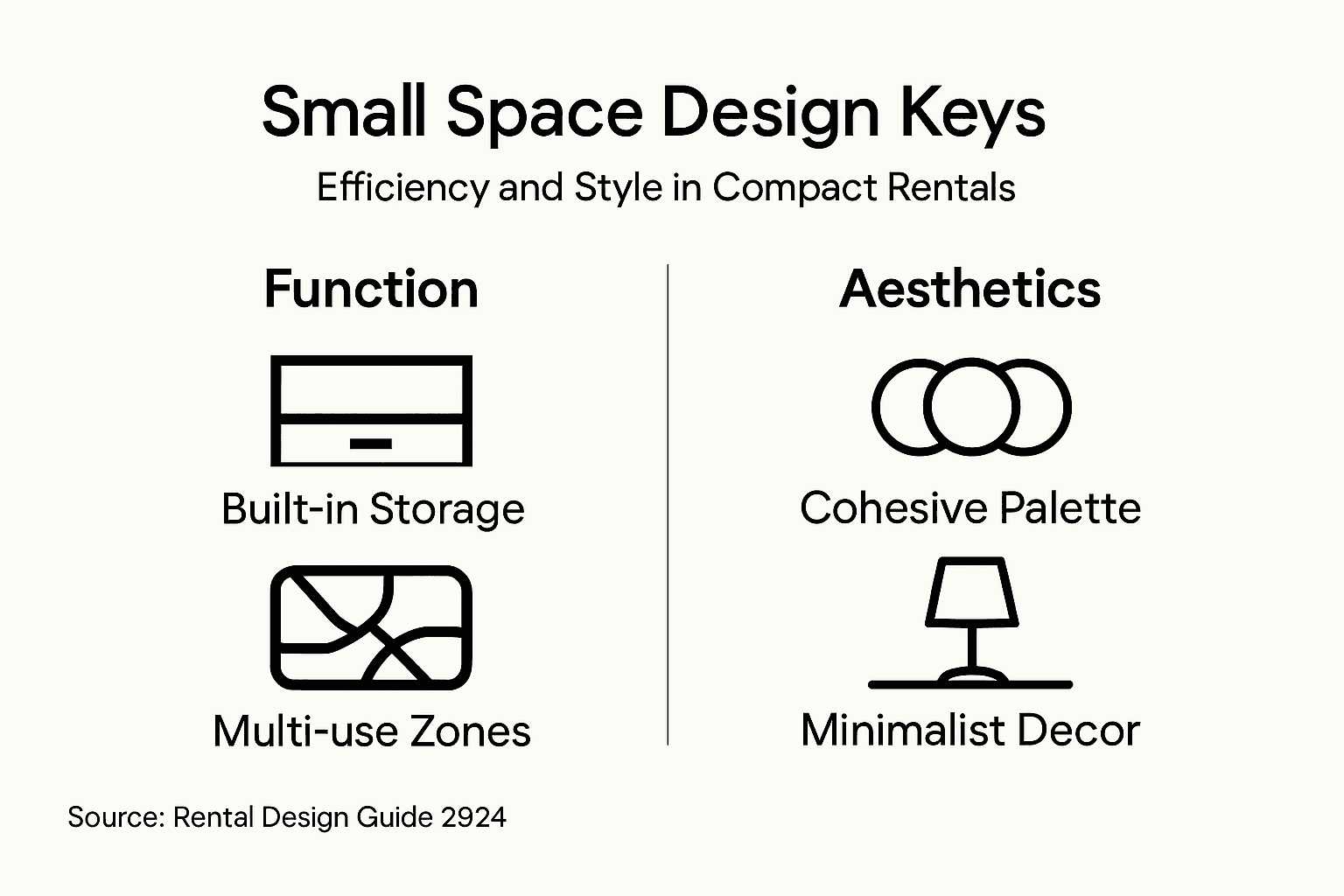
Small spaces demand intentional choices. Every element must earn its place through dual contribution: solving storage challenges whilst enhancing visual appeal. This integration separates well-designed rental properties from cramped, utilitarian ones that struggle to attract quality tenants.
Understanding how to combine functionality with style requires knowing which features work together. Strategic storage, intelligent colour use, and minimalist principles form the foundation of appealing small space design.
Built-In Storage Solutions
Built-in storage maximises usable space whilst maintaining clean aesthetics. Unlike freestanding furniture, built-ins integrate seamlessly into architecture, creating visual continuity rather than clutter.
Effective built-in solutions for small rentals include:
- Floor-to-ceiling shelving utilising all wall height efficiently
- Integrated wardrobes behind sliding doors (no swing space needed)
- Under-stair storage capturing otherwise wasted space
- Window seat storage combining seating with concealed organisation
- Alcove cupboards fitted into architectural nooks
- Murphy bed frames with integrated wardrobes and shelving
Effective small space design integrates usability with style through built-in shelving, multifunctional furniture, and clean decor. Built-ins reduce visual clutter by eliminating freestanding storage units that consume floor space.
Built-ins require upfront investment but pay dividends through rental appeal and tenant satisfaction. They signal thoughtful design and quality to prospective tenants viewing properties.
Multifunctional Built-In Elements
Multifunctional built-ins serve several purposes simultaneously. A headboard incorporates shelving and reading lights. Kitchen islands provide cooking surface, storage, and seating. Window seats offer storage, seating, and display space.
These elements combine practicality with visual interest. A bedroom wall with integrated headboard shelving looks intentional and collected rather than cramped or makeshift.
Multifunctional built-in examples:
- Headboard storage walls combining sleeping, display, and organisation
- Kitchen islands with storage, seating, and working surface
- Entryway storage benches with hooks, shelves, and seating
- Living room built-ins integrating media storage with shelving displays
- Bathroom vanities with integrated mirror storage and lighting
Well-designed multifunctional built-ins feel integrated, not jury-rigged. They enhance the space’s visual narrative rather than appearing as afterthoughts.
Light and Colour as Space Expanders
Light and colour perception fundamentally affects how spaces feel. Strategic use of both makes small flats feel significantly larger and more inviting.
Sophisticated storage techniques and light strategies expand spatial perception through intentional colour patterns and lighting design. Colour affects mood and perceived dimensions. Light affects visibility, energy, and spatial clarity.
Light and colour strategies:
- Light colour palettes (whites, pale greys, soft neutrals) reflecting light
- Feature walls adding character without overwhelming dark tones
- Layered lighting (ambient, task, accent) creating depth
- Natural light maximisation through minimal window covering
- Reflective surfaces (mirrors, glossy finishes) bouncing light around
- Colour accent zones drawing focus whilst maintaining openness
A small flat with white walls, ample lighting, and strategic colour accents feels spacious. The same flat with dark paint and single overhead lights feels cramped regardless of actual dimensions.
Light and colour work together to create perception of space. Strategic use transforms how tenants experience and value small apartments.
Minimalist Design Principles
Minimalism in small spaces doesn’t mean sparse or cold. It means intentional curation where every visible item contributes visually or functionally.
Minimalist principles for rental properties:
- Visible surfaces remain clear of unnecessary clutter
- Colour palettes stay cohesive (3-4 primary colours maximum)
- Decorative items serve visual purposes rather than accumulating randomly
- Furniture selection prioritises quality over quantity
- Negative space becomes design feature rather than wasted area
- Storage hides non-display items completely
Minimalism creates psychological calm. Tenants feel more relaxed in uncluttered environments. Organised, minimal spaces feel larger and more luxurious than cluttered ones.
This doesn’t require removing personality. A minimal space with carefully selected artwork, plants, and decorative pieces feels curated and intentional. Random clutter feels chaotic regardless of how many items present.
Material Selection and Finishes
Materials affect both durability and aesthetics. Selecting appropriate materials for small spaces requires balancing practical maintenance with visual appeal.
Material considerations for small rentals:
- Light finishes reflecting light and creating spaciousness
- Durable surfaces withstanding regular tenant use
- Coordinated materials creating visual continuity
- Texture variety adding visual interest without clutter
- Easy-to-clean options reducing maintenance burden
- Quality over trend ensuring longevity and appeal
Cheap materials date quickly and signal poor quality. Quality materials maintain appeal through multiple tenant cycles. Investing in better materials pays through higher rents and reduced turnover.
Visual Hierarchy and Focal Points
Small spaces benefit from clear visual hierarchy. Focal points draw attention and create visual interest without requiring additional square footage.
Creating focal points in small spaces:
- Feature walls with wallpaper, paint, or texture
- Artwork displays drawing eyes upward
- Lighting fixtures serving as design statements
- Window treatments framing views and adding character
- Statement furniture pieces commanding visual attention
- Plants and greenery adding life and visual warmth
A small bedroom with a feature wall, layered lighting, and coordinated artwork feels designed. The same room with uniform finishes feels institutional.
Focal points guide how people perceive spaces. They create visual destinations that distract from spatial limitations.
Storage Visibility and Organisation Systems
Storage that’s visible must be beautifully organised. Open shelving only works when contents are curated and arranged intentionally.
Storage organisation principles:
- Like items group together visually and functionally
- Display items alternate with stored items on open shelves
- Colour coordination within visible storage areas
- Height variation preventing monotonous appearances
- Baskets and boxes concealing smaller items whilst maintaining aesthetics
- Consistent labelling ensuring tenant understanding
Closet organisation affects perceived spaciousness. Organised wardrobes behind closed doors don’t contribute visual clutter. Chaotic open wardrobes make even spacious flats feel messy.
Flooring as Design Foundation
Flooring establishes the visual foundation for small spaces. Light, consistent flooring unifies zones and creates visual flow.
Flooring strategies for small apartments:
- Light colours and finishes reflecting light throughout
- Consistent material maintaining visual continuity (avoid frequent changes)
- Large-format tiles or planks creating visual flow
- Subtle texture adding interest without busy patterns
- Durable, easy-to-clean options managing wear and maintenance
Visually fragmented flooring (multiple materials, dark tones, busy patterns) interrupts spatial flow. Consistent, light flooring creates the impression of larger, more connected spaces.
Vertical Design and Sightlines
Small spaces feel larger when vertical sightlines remain unobstructed. Furniture placement and storage solutions should maintain clear views and visual flow.
Vertical design considerations:
- Keep wall space above furniture visible
- Use wall-mounted shelving rather than floor units where possible
- Avoid tall furniture blocking windows or light
- Create visual interest above eye level (artwork, shelving)
- Ensure doorway views remain clear
- Position mirrors to reflect light and expand perception
A bedroom with floor-to-ceiling shelving that leaves wall space visible above the bed feels organised. The same storage spanning entire walls creates visual weight and claustrophobia.
Practical Implementation for Rental Properties
Implementing space-saving features whilst maintaining aesthetic appeal requires planning and coordination. Poor execution results in spaces that feel cramped or cluttered regardless of storage quantity.
Implementation steps:
- Assess storage needs and usage patterns
- Design built-ins and storage solutions on floor plans
- Select cohesive colour and material palettes
- Plan lighting design comprehensively
- Create visual hierarchy through focal points
- Test organisation systems before finalising layouts
- Source quality pieces supporting the overall design vision
- Ensure all storage remains accessible and functional
Tenants immediately assess whether a space feels thoughtfully designed or cramped. Good execution commands premium rents. Poor execution discourages tenants despite lower asking prices.
Pro tip: Start with your colour palette and lighting plan before selecting any furniture or storage solutions—these foundational decisions shape how all other elements integrate, ensuring your space-saving features enhance rather than compromise the overall aesthetic.
Maximising Rental Value Through Design Choices
Design choices directly impact rental income. A thoughtfully designed 45 square metre flat often commands higher rent than a poorly designed 60 square metre one. This rental premium comes from how tenants perceive and experience the space.
Small space design isn’t merely aesthetic preference. It’s a financial strategy that increases property competitiveness, reduces vacancy periods, and attracts higher-paying tenants. Every design decision either enhances or diminishes rental appeal.
Property investors in urban markets (particularly UK cities and Croatian coastal areas) understand this principle. Compact flats dominate these markets. Those designed strategically outperform poorly planned ones significantly.
The Rental Premium for Well-Designed Spaces
Well-designed small rentals attract premium rents. Research shows that functional yet stylish layouts increase property appeal and rental desirability, particularly in urban markets where compact housing dominates.
Tenant willingness to pay reflects their perception of space quality. A small flat feeling spacious, organised, and intentionally designed justifies higher rent. The same flat feeling cramped and utilitarian attracts lower offers.
Rental premium drivers include:
- Perceived spaciousness through light, colour, and layout
- Functional organisation enabling comfortable daily living
- Storage solutions reducing visible clutter
- Quality finishes signalling investment and durability
- Thoughtful design suggesting professional property management
A £400 monthly flat poorly designed struggles to maintain tenants. A £550 monthly flat with strategic design attracts quality applicants and longer tenancies.
Tenant Profiles and Design Appeal
Different tenant types value small space design differently. Understanding your target market shapes design priorities.
Common small space tenant profiles:
- Young professionals prioritising convenience, style, and efficient use of space
- Students seeking affordable, functionally organised accommodation
- Couples without children valuing aesthetic appeal and smart storage
- Digital workers needing dedicated work zones within limited space
- International tenants appreciating move-in-ready, professionally designed spaces
Well-designed small rentals attract professionals and students seeking quick tenancies, leading to quicker lettings and higher rental income. These demographics actively seek compact flats in urban locations and willingly pay premiums for thoughtful design.
Design choices should align with your target tenant profile. A student flat benefits from different emphasis than a professional’s residence.
Vacancy Reduction Through Design
Vacancy costs directly reduce rental income. A property sitting empty for two months loses significant revenue. Well-designed spaces reduce vacancy periods substantially.
Vacancy reduction factors:
- Broader tenant appeal through thoughtful, accessible design
- Faster viewings when spaces feel impressive immediately
- Higher conversion rates from viewing to tenancy agreement
- Reduced showings required before finding suitable tenant
- Premium pricing enabling selective tenant choice
A poorly designed flat might remain vacant two months between tenancies. A well-designed comparable might achieve occupancy within two weeks. Over five-year periods, this difference compounds significantly.
Strategic design choices reduce vacancy, attract premium rents, and ensure longer tenant retention—directly improving investment returns.
Quality Materials and Long-Term Value
Cheap materials appear economical initially but cost more long-term through accelerated wear and reduced rental appeal. Quality materials maintain their value across multiple tenant cycles.
Material investment considerations:
- Durable finishes withstanding regular tenant use without deterioration
- Timeless design avoiding trendy elements that date quickly
- Easy maintenance reducing turnover costs between tenants
- Quality signalling where materials communicate investment quality
- Consistent replacement cycles planning maintenance across property lifespan
Investing £3,000 in quality kitchen finishes might enable £50 monthly rent premium. Over 60 months, this generates £3,000 additional income before considering longevity advantages and reduced maintenance costs.
Functional Design and Tenant Satisfaction
Functional spaces reduce tenant complaints. When apartments work well daily, tenants renew tenancies and provide positive references. Poor functionality generates constant complaints and rapid turnover.
Functionality elements affecting tenant satisfaction:
- Efficient kitchen layout enabling comfortable cooking
- Adequate storage preventing visible clutter accumulation
- Logical traffic flow without navigating around furniture
- Appropriate lighting supporting various activities
- Climate control through ventilation and temperature management
- Noise isolation providing peaceful living environment
Tenants stay longer in functional spaces. Longer tenancies reduce turnover costs (cleaning, repairs, re-letting fees, vacancy periods). A tenant renewing for three years generates far more revenue than two one-year tenants.
Market Positioning Through Design
Design communicates property positioning. Premium design justifies premium pricing. Budget design attracts budget tenants. Misaligned positioning creates problems.
Positioning considerations:
- Budget positioning requires excellent functional design without premium finishes
- Mid-market positioning balances quality with cost-effectiveness
- Premium positioning invests in quality materials, finishes, and design details
- Consistent positioning across all elements avoiding mixed-signal confusion
- Target alignment matching design investment to market segment
Choosing your positioning shapes every design decision. Attempting premium positioning with budget finishes appears confused and undesirable.
ROI from Design Investment
Calculating design investment return on investment requires comparing upfront costs against rental income increases and vacancy reduction.
Design investment areas and typical returns:
- Kitchen renovation (£5,000-£8,000) enabling 5-10% rent premium
- Storage solutions (£2,000-£4,000) increasing perceived spaciousness
- Flooring (£3,000-£6,000) improving durability and aesthetics
- Lighting upgrades (£1,500-£3,000) enhancing spatial perception
- Décor and finishes (£2,000-£4,000) completing design vision
A £15,000 design investment enabling 15% rent increase (£60 to £69 monthly) generates £540 annual additional income. Over five years, this yields £2,700 revenue from single tenant cycles—not accounting for faster lettings, extended tenancies, or property appreciation.
Below is a summary outlining how strategic design choices impact rental performance and investment value:
| Design Choice | Impact on Rent | Impact on Vacancy | Investment Benefit |
|---|---|---|---|
| Built-in Storage | Higher rent premium | Shorter vacancy | Increases desirability |
| Quality Materials | Sustained higher rent | Lower maintenance | Long-term value retention |
| Functional Layout | Supports rent increase | Greater tenant comfort | Fewer complaints/turnover |
| Cohesive Styling | Better online appeal | Quicker lettings | Market differentiation |
Competitive Market Positioning
In competitive urban markets, design differentiation attracts premium tenants. Identical-sized flats with superior design command higher rents and generate better tenant retention.
Competitive advantages through design:
- Visual distinctiveness standing out from competing listings
- Perceived quality communicating professional management
- Functional advantages enabling comfortable daily living
- Psychological appeal creating emotional connection to space
- Value perception justifying premium pricing through thoughtful design
Tenant selection often occurs within minutes through online listing photos. Professional design photography and thoughtful spaces generate interest quickly.
Measuring Design Success
Track design effectiveness through clear metrics. This enables refinement and proves investment value.
Key metrics for design assessment:
- Average rental rate achieved versus market comparable
- Vacancy period between tenancies
- Tenant enquiry and application volume
- Tenant retention and lease renewal rates
- Maintenance costs and complaint frequency
- Time-to-let from listing to agreement
- Tenant satisfaction feedback and reviews
If your designed flat rents for £550 whilst identical competitors achieve £480, design ROI is evident. Track these metrics to optimise future design investments.
Design as Risk Mitigation
Well-designed properties attract quality tenants and reduce risk. Poor design attracts desperate tenants facing limited options, increasing default risk and property damage.
Risk mitigation through design:
- Tenant quality where premium positioning attracts reliable applicants
- Reduced turnover through improved tenant satisfaction
- Lower maintenance costs through durability and quality materials
- Faster response to letting vacancies through broader appeal
- Property appreciation where well-maintained, attractive properties gain value
Investing in design reduces tenant risk significantly. Quality tenants value quality spaces and maintain them accordingly.
Pro tip: Track your rental income, vacancy periods, and tenant satisfaction metrics before and after design improvements—this concrete data proves design value and guides future investment decisions while justifying premium pricing to prospective tenants.
Common Pitfalls and Practical Solutions
Small space design fails more often through common mistakes than lack of imagination. Most pitfalls are avoidable once you recognise them. Understanding what goes wrong helps you design rental properties that actually work.
The difference between successful and failed small space design often comes down to recognising problems early. Many investors repeat identical mistakes because they don’t understand what caused them. Learning from these patterns prevents costly errors in your own projects.
Pitfall: Overcrowding and Visual Chaos
The most common mistake is stuffing too much into small spaces. Investors assume maximising furniture and storage creates functionality. Actually, it creates claustrophobia.
Overcrowding destroys spatial perception. Tenants feel trapped despite adequate dimensions. Visual chaos overwhelms the senses and triggers stress responses.
Solutions for preventing overcrowding:
- Prioritise essential furniture eliminating decorative pieces consuming space
- Commit to minimalism keeping visible surfaces clear
- Use closed storage hiding non-display items completely
- Select appropriately scaled pieces avoiding oversized furniture
- Create breathing room intentionally leaving wall and floor space visible
- Declutter ruthlessly during property preparation
A 40 square metre flat with carefully curated furnishings feels spacious. The same flat packed with excessive furniture feels cramped regardless of actual dimensions.
Overcrowding kills small space design. Less visible furniture paradoxically makes spaces feel larger and more inviting.
Pitfall: Ignoring Vertical Space
Many investors treat walls as mere dividers rather than functional assets. Ignoring vertical space wastes the primary storage opportunity in compact flats.
Floor space is precious in small apartments. Vertical solutions reclaim storage without consuming floor footprint. This distinction separates well-designed from poorly designed small spaces.
Vertical space solutions:
- Floor-to-ceiling shelving maximising wall height
- Wall-mounted storage eliminating floor-standing units
- Tall narrow cupboards utilising height without width
- Overhead shelving capturing ceiling space carefully
- Lofted sleeping areas doubling functional floor space
- Corner utilisation installing shelving in otherwise wasted angles
Common design pitfalls include failing to maximise vertical storage and ignoring wall space for organisation. Addressing this fundamentally changes small space functionality.
Pitfall: Poor Lighting Design
Single overhead lights destroy small space ambience. Poor lighting makes flats feel cramped, dark, and depressing regardless of colour schemes or layout.
Lighting fundamentally affects spatial perception. Adequate, layered lighting makes spaces feel larger, brighter, and more welcoming. Inadequate lighting triggers claustrophobia.
Lighting solutions:
- Ambient lighting providing overall brightness throughout spaces
- Task lighting highlighting functional work areas
- Accent lighting creating visual interest and depth
- Natural light maximisation using minimal window covering
- Reflective surfaces bouncing light around spaces
- Multiple light sources enabling different moods and activities
A small flat with layered lighting (ceiling fixtures, wall sconces, table lamps) feels expansive. The same flat with single overhead light feels cramped and institutional.
Pitfall: Neglecting Storage Planning
Investors often add storage reactively rather than planning it comprehensively. This results in inadequate, poorly positioned, or visually awkward solutions.
Storage decisions made during design phase work better than retrofitting solutions later. Comprehensive planning identifies all storage needs before renovation begins.
Storage planning process:
- Identify everything requiring storage (clothing, kitchen items, office supplies, etc.)
- Calculate realistic quantities for typical tenant needs
- Design storage locations minimising daily navigation
- Integrate storage into architectural features
- Select storage solutions complementing design aesthetics
- Test organisation systems during design phase
- Ensure accessibility and functionality for daily use
Poor storage planning forces visible clutter. Visible clutter makes spaces feel smaller and more chaotic.
Pitfall: Colour Scheme Inconsistency
Random colour choices fragment visual perception. Inconsistent palettes make small spaces feel busier and more cramped.
Maintaining cohesive colour schemes improves spatial perception and comfort. Strategic colour use expands perceived spaciousness.
Colour strategy solutions:
- Establish primary palette (3-4 coordinating colours)
- Use light, neutral bases reflecting light and creating openness
- Apply colour strategically through accents rather than dominant walls
- Ensure continuity across rooms using similar tones
- Avoid busy patterns that visually fragment spaces
- Test colour combinations before committing to finishes
A flat with coordinated whites, soft greys, and strategic colour accents feels cohesive. Random colour choices make identical spaces feel chaotic.
Pitfall: Traffic Flow Obstruction
Poor furniture placement forces awkward navigation. Tenants constantly manoeuvre around obstacles, triggering frustration and claustrophobia.
Traffic flow problems:
- Furniture blocking direct routes between key areas
- Entry paths requiring navigation around pieces
- Dead-end layouts with no natural circulation
- Doors opening into furniture
- Insufficient space between furniture for comfortable movement
Test furniture layouts by walking typical daily paths. Entry to bathroom, kitchen to living area, bedroom to door should flow naturally without obstacles.
Pitfall: Underestimating Multifunctional Needs
Investors design spaces for single purposes, ignoring how tenants actually live. A bedroom also needs work space. A living room becomes a guest bedroom. Kitchens require dining surfaces.
Multifunctional solutions:
- Fold-away desks enabling workspace without permanent presence
- Sofa beds providing sleeping in living areas
- Expandable tables scaling for different uses
- Storage ottomans serving multiple purposes simultaneously
- Flexible furniture arrangements enabling reconfiguration
Design for how people actually live, not idealised single-purpose use.
Pitfall: Neglecting Psychological Impact
Investors focus on physical functionality whilst ignoring how spaces affect occupants psychologically. Small spaces designed without considering psychological well-being feel oppressive.
Psychological well-being factors:
- Visual clarity reducing cognitive load from clutter
- Natural light supporting mood and circadian rhythms
- Colour psychology affecting emotional state
- Personal space definition enabling psychological separation
- Organised storage reducing stress from disorder
Tenants endure small spaces better when feeling calm and in control. Poor design triggers stress responses despite functional adequacy.
Solutions: Systematic Design Approach
Successful small space design requires systematic planning. Ad-hoc decisions accumulate into poor results.
Systematic design steps:
- Measure spaces accurately and document architectural features
- Identify storage and functional requirements comprehensively
- Plan layouts maximising traffic flow and functionality
- Select cohesive colour and material palettes
- Design lighting comprehensively (not just ceiling fixtures)
- Integrate storage solutions architecturally
- Select appropriately scaled furniture
- Test everything before purchasing and installation
Planners who follow these steps systematically avoid most common pitfalls.
Pro tip: Create a detailed Pinterest board or design folder with successful small space examples you admire, then analyse what makes them work—this visual reference library prevents decision paralysis and ensures your design choices align with proven successful principles.
Transform Your Small Rental Space Into a High-Value Asset
Struggling with cramped layouts and limited storage in your compact rental property It is time to rethink your approach by embracing smart small space design principles like multifunctional furniture, vertical storage and cohesive styling that truly maximise every square metre. Our expertise at Interior Design › Danica focuses on turning these challenges into opportunities for enhanced tenant satisfaction and increased rental appeal.
Discover how professional apartment renovation combined with detailed concept design and CGI visualisations can help you plan and execute layouts that attract quality tenants willing to pay a premium. Don’t let poor lighting, overcrowding and lack of storage hold your property back Visit Danica Space today to explore innovative solutions and inspiring stories › Danica that demonstrate the lasting impact of intentional design. Take the first step now to elevate your rental space and secure higher returns with expert guidance.
Frequently Asked Questions
What are the key principles of small space design?
The key principles of small space design include using vertical storage to reclaim floor space, selecting multifunctional furniture, creating visual flow, implementing strategic lighting, and choosing cohesive styling that unifies different areas.
How can lighting affect the perception of space in a small apartment?
Lighting enhances the perceived spaciousness of a small apartment by maximising natural light and using layered lighting techniques. This creates a sense of depth and openness, making the space feel larger and more inviting.
What types of furniture are ideal for small spaces?
Ideal furniture for small spaces includes multifunctional pieces, such as sofa beds, fold-away desks, and expandable dining tables. These allow the space to serve various functions without overcrowding.
How does small space design impact tenant satisfaction?
Well-designed small spaces directly enhance tenant satisfaction by ensuring functionality and comfort. Thoughtful design reduces visual clutter and facilitates efficient use of space, resulting in happier tenants and lower vacancy rates.


