


Outdated kitchens make it difficult to attract reliable tenants or secure higher rental returns from your property. Whether you are renovating for investment or long-term use, creating a kitchen that stands out requires more than a fresh coat of paint. Modern renters expect functional spaces that are visually appealing, easy to maintain, and equipped for daily living.
This guide pulls together proven design ideas that work in British rental markets, using the latest research insights on layout, style, storage, and efficiency. You will uncover practical tips that improve both everyday usability and long-term property value. Get ready to discover the smart kitchen upgrades that consistently make a real difference for property investors like you.
Table of Contents
- Open Plan Layouts For Greater Space
- Minimalist Designs To Attract Tenants
- Smart Appliances For Modern Convenience
- Integrated Storage Solutions For Efficiency
- Eco-Friendly Materials For Sustainability
- Bold Colour Schemes To Boost Appeal
Quick Summary
| Key Message | Explanation |
|---|---|
| 1. Open Plan Kitchens Increase Appeal | Open plan layouts enhance space and social interaction, boosting rental appeal and resale value significantly. |
| 2. Minimalist Design Attracts Quality Tenants | Clean, uncluttered spaces appeal to diverse tenants and demand higher rental rates due to their ease of maintenance. |
| 3. Invest in Smart Appliances | Smart appliances enhance tenant convenience and energy efficiency, leading to reduced utility costs and higher satisfaction. |
| 4. Integrated Storage Maximises Functionality | Thoughtful storage solutions improve usability and aesthetics, preventing clutter and ensuring a high-quality tenant experience. |
| 5. Eco-Friendly Materials Attract Renters | Sustainable materials enhance indoor air quality and durability, appealing to environmentally conscious tenants while reducing long-term costs. |
1. Open Plan Layouts for Greater Space
Open plan kitchens represent one of the most powerful design choices for modern renovations. They dissolve boundaries between cooking and living areas, creating the illusion of space whilst simultaneously improving functionality and social interaction.
The appeal lies in versatility. Your kitchen becomes a hub where guests can socialise whilst you prepare meals, rather than isolating yourself during cooking. This transforms how potential tenants or buyers perceive your property—and directly impacts rental appeal and resale value.
Why Open Plan Works for Modern Rentals
Research shows that open-concept kitchens foster social interactions whilst maximising space utilisation. For property investors, this means several tangible benefits:
- Perceived spaciousness: Open layouts make kitchens feel substantially larger, even in modest floor plans
- Natural light distribution: Without walls, light flows freely throughout the space, reducing reliance on artificial lighting
- Flexible use: Zones blur between kitchen, dining, and living areas, allowing tenants to adapt the space to their lifestyle
- Enhanced connectivity: Kitchen islands or breakfast bars serve as natural gathering points
Open plan kitchens aren’t just trendy—they’re a strategic investment that measurably increases rental rates and property appeal.
Designing Your Open Plan Kitchen
Successful open plan kitchens require thoughtful spatial planning to avoid a cluttered appearance. Your cooking zone should remain visually distinct through subtle design choices rather than physical walls.
Consider these practical approaches:
- Position cooking appliances away from the main sightline when entering the space
- Use different flooring materials to define zones without creating visual barriers
- Install adequate ventilation systems so cooking odours don’t permeate living areas
- Keep upper cabinetry open or glass-fronted to maintain visual lightness
Effective ergonomics matter too. Kitchen work triangles become less restrictive in open plans, so prioritise easy movement between sink, cooker, and refrigerator whilst maintaining distance from seating areas.
Pro tip: Install a quality extractor hood or downdraft system at the outset—retrofitting ventilation later becomes costly and disruptive, particularly in rental properties where installation time directly affects your income.
2. Minimalist Designs to Attract Tenants
Minimalist kitchen design has become a powerful tool for attracting quality tenants and commanding higher rental rates. This approach strips away unnecessary elements, focusing instead on clean lines, functional storage, and uncluttered spaces that feel calm and inviting.
Tenants respond positively to minimalist kitchens because they’re psychologically appealing and practically manageable. A minimalist aesthetic reduces visual clutter, making spaces feel larger, brighter, and easier to maintain. For you as an investor, this translates to longer tenant retention and lower maintenance costs.
Why Minimalism Works for Rental Properties
Minimalist design isn’t about sparse, cold interiors. It’s about purposeful choices where every element serves a function. Your kitchen becomes a joy to use rather than a source of frustration.
Key advantages for rental appeal include:
- Lower maintenance demands: Fewer decorative elements mean less to clean and repair
- Universal appeal: Neutral, simple designs attract diverse tenant demographics
- Durability focus: Quality over quantity ensures long-term property value retention
- Flexibility: Tenants can personalise the space without fighting cluttered design
- Enhanced natural light: Unobstructed surfaces and minimal visual noise maximise brightness
Minimalist kitchens consistently attract tenants willing to pay premium rates because they perceive quality, ease, and sophistication in simplicity.
Implementing Minimalist Design Principles
Start with integrated appliances that blend seamlessly into cabinetry. Handle-less units create clean lines while concealing storage, keeping worktops clear and organised. Choose a tight neutral colour palette of whites, greys, or soft beiges to create visual calm.
Storage is critical in minimalist spaces. Every item must have a designated home. Built-in solutions and deep drawers hide everyday items whilst maintaining the clean aesthetic.
When creating welcoming interiors for rental appeal, minimalism provides the perfect foundation. Consider these implementation steps:
- Select a single cabinet material in one neutral tone
- Install handle-less doors or minimal hardware throughout
- Use open shelving sparingly for display items only
- Choose a simple, durable worktop material
- Maintain completely clear worktops with no visible appliances
Lighting becomes more important in minimalist kitchens. Without visual texture from clutter or pattern, good illumination and strategic accent lighting create interest and warmth.
Pro tip: Invest in a quality extractor hood with a minimalist design or one that integrates into cabinetry—exposed or clunky ventilation systems will immediately undermine your minimalist aesthetic and tenant appeal.
3. Smart Appliances for Modern Convenience
Smart appliances have moved beyond novelty status to become a genuine competitive advantage in rental properties. Modern tenants expect connectivity, efficiency, and intuitive controls that make daily cooking effortless.
Investing in smart kitchen appliances demonstrates that you understand contemporary living standards. These devices offer programmable settings, precise temperature control, and user-friendly interfaces that appeal directly to quality tenants seeking modern convenience. Beyond appeal, they reduce your long-term operating costs through improved energy efficiency.
What Makes Smart Appliances Worth the Investment
Smart appliances serve two critical functions simultaneously. They enhance the tenant experience whilst lowering your utility bills, which directly improves your property’s profitability.
Key advantages include:
- Energy optimisation: Smart refrigerators and induction stoves reduce energy consumption without sacrificing cooking performance
- Remote operation: Tenants can preheat ovens or start dishwashers from their phones
- Customisable settings: Programmable features adapt to individual cooking preferences and lifestyles
- Durability tracking: Smart appliances alert you to maintenance needs before costly breakdowns occur
- Premium perception: Modern technology elevates your property’s perceived value
Smart appliances aren’t just gadgets—they’re strategic investments that reduce utility costs whilst simultaneously increasing tenant satisfaction and rental rates.
Choosing Smart Appliances for Rental Properties
Not every smart feature matters for rentals. Focus on appliances where connectivity genuinely improves daily use. Dishwashers that report cycle completion and refrigerators with temperature alerts prevent tenant frustration and protect your investment.
Updated efficiency standards for cooking appliances now maintain modern convenience features whilst reducing consumption. Modern cooktops and ovens combine precision heating with lower energy draw, making them ideal for cost-conscious landlords.
Prioritise these appliances first:
- Dishwashers with smart notification systems
- Induction cooktops or ovens with programmable features
- Refrigerators that display energy usage and temperature alerts
- Washing machines with cycle customisation options
- Extractor hoods with automatic sensors
Consider your tenant demographic. Urban professionals value smartphone connectivity and time-saving features more highly than suburban families seeking budget options. Match your smart technology investment to your target renter profile.
Installation matters too. Ensure your property has reliable broadband coverage and WiFi throughout the kitchen. Smart appliances become frustrating if connectivity drops regularly.
Pro tip: Choose smart appliances with simplified interfaces and minimal setup requirements, as tenants won’t tolerate complex configuration processes—select brands known for intuitive apps and reliable connectivity over those offering excessive features.
4. Integrated Storage Solutions for Efficiency
Integrated storage transforms kitchens from cluttered, inefficient spaces into streamlined hubs where everything has a purpose and place. This approach maximises usable space whilst maintaining the clean aesthetics that modern tenants demand.
When storage is thoughtfully integrated, your kitchen functions at peak efficiency. Tenants appreciate kitchens where ingredients, utensils, and appliances are logically organised. You benefit from reduced wear and tear on cabinetry from overcrowding and misuse.
Why Integration Matters More Than Space Size
A small kitchen with excellent storage outperforms a large kitchen with poor organisation. Integrated solutions mean every centimetre serves a function. Your tenants enjoy cooking without frustration, which translates to longer tenancies and positive reviews.
Key benefits of integrated storage include:
- Maximised capacity: Vertical storage and deep drawers utilise unused space effectively
- Reduced clutter: Everything has a designated spot, keeping surfaces clear
- Enhanced durability: Proper organisation prevents damage from overcrowded shelves or jammed drawers
- Improved safety: Organised kitchens reduce accident risks from unstable stacks or hidden items
- Aesthetic appeal: Hidden storage maintains the clean, modern look tenants value
Integrated storage isn’t luxury—it’s the foundation of functional kitchens that tenants actively choose and happily recommend to friends.
Implementing Integrated Storage Strategically
Start by categorising what your kitchen needs to store. Daily-use items deserve accessible locations, whilst seasonal equipment can occupy higher or deeper spaces. This hierarchy prevents kitchen chaos.
Consider pull-out drawers instead of traditional cupboards. These maximise accessibility and visibility whilst preventing items disappearing into the back. Corner carousels or swing-out organisers salvage otherwise wasted corner space.
Vertical storage transforms underutilised space. Tall, narrow units fit beside refrigerators or in pantry areas, providing substantial capacity without consuming floor space. Wall-mounted shelving above worktops stores lightweight items like glasses or bowls.
Implement these storage principles systematically:
- Designate specific zones for cooking, cleaning, and food storage
- Install deep drawers with dividers for pans, utensils, and linens
- Use internal drawer organisers to prevent items shifting during use
- Incorporate pull-out pantry units for dry goods and tins
- Mount knife blocks and utensil holders to free drawer space
- Install integrated appliances to eliminate bulky countertop units
Principles of space-efficient systems that optimise functionality apply equally to kitchen storage. When components integrate seamlessly, the entire system performs better and serves users more effectively.
Pro tip: Invest in soft-close drawer mechanisms and hinges—tenants will appreciate the quality feel, and you’ll save on repair costs when they stop slamming drawers out of frustration.
5. Eco-Friendly Materials for Sustainability
Eco-friendly materials represent a smart business decision, not merely an environmental gesture. Modern tenants, particularly younger demographics and environmentally conscious professionals, actively seek sustainable properties. Specifying eco-friendly kitchen materials strengthens your rental appeal whilst reducing your property’s environmental footprint.
Sustainability isn’t just about feeling virtuous. It’s about selecting materials that perform better, last longer, and cost less to maintain over time. When materials resist deterioration and environmental damage, you spend less replacing them.
Why Material Selection Matters for Longevity and Appeal
Conventional kitchen materials often contain volatile organic compounds (VOCs) and toxins that off-gas into living spaces. Eco-friendly alternatives eliminate these health risks whilst providing superior durability. Tenants notice the difference in air quality and overall well-being.
Key advantages of sustainable materials include:
- Superior durability: Natural and recycled materials often outperform synthetic alternatives over decades
- Reduced maintenance: Sustainable finishes resist staining, mould growth, and wear more effectively
- Healthier indoor environments: Low-toxicity materials improve air quality and tenant health
- Lower lifecycle costs: Though upfront costs may be higher, long-term replacement expenses decrease significantly
- Market differentiation: Eco-conscious properties command premium rental rates
Eco-friendly kitchens aren’t premium luxuries—they’re durable, healthy investments that attract quality tenants willing to pay more.
Practical Eco-Friendly Material Choices for Kitchens
Choose materials using sustainable materials management principles that minimise waste and environmental impact throughout their lifecycle. Start with worktops, cabinetry, and flooring where your material choices have the greatest impact.
Consider these eco-friendly options:
- Recycled glass or concrete worktops – durable, unique, and remarkably stain-resistant
- FSC-certified timber cabinetry – sustainably harvested wood with superior longevity
- Bamboo flooring – rapidly renewable, harder than many hardwoods, naturally antimicrobial
- Cork or reclaimed wood accents – distinctive character whilst reducing waste
- Low-VOC paints and finishes – healthier indoor air quality with equivalent durability
- Recycled metal or reclaimed brick splashbacks – visual interest with environmental responsibility
Eco-friendly interior finishing technologies like silicate and lime systems resist mould growth naturally. These traditional finishes outperform synthetic coatings in moisture-prone kitchen environments, reducing maintenance demands.
When sourcing materials, request transparent lifecycle information from suppliers. Understanding material origins, production methods, and recyclability helps you make decisions aligned with both sustainability and profitability.
Pro tip: Avoid greenwashing by selecting materials with genuine certifications (FSC, GreenGuard, Cradle to Cradle) rather than marketing claims—certified materials justify premium pricing to environmentally conscious tenants and provide documented performance benefits.
6. Bold Colour Schemes to Boost Appeal
Bold colour schemes transform kitchens from forgettable spaces into memorable focal points that tenants actively seek out. Strategic use of vibrant hues creates visual interest and personality whilst demonstrating that you’ve invested thoughtfully in the property.
Colour psychology is real. Bold colours evoke emotional responses—deep blues convey calm sophistication, warm terracottas suggest comfort and creativity, whilst rich greens connect to nature and wellness. The right colour scheme can elevate perceived value by 15 to 20 percent in tenant assessments.
Why Colour Works Better Than You Might Think
Neutral kitchens fade into the background. Bold colour schemes stay memorable long after a viewing ends. Prospective tenants photograph and discuss properties with distinctive colour choices, effectively marketing your property through social sharing.
Key advantages of bold colour selections include:
- Emotional connection: Colour creates psychological responses that influence tenant satisfaction
- Space perception: Strategic colour choices make kitchens feel larger or cosier depending on your goals
- Brand distinction: Bold kitchens stand out in competitive rental markets
- Design coherence: Intentional colour schemes appear professionally designed rather than accidental
- Personality expression: Colour allows tenants to imagine themselves living in the space
Bold colour schemes aren’t risky—they’re investment tools that increase perceived value and create emotional connections that secure quality tenants.
Implementing Bold Colour Strategically
Bold colour accents in modern kitchens create visual energy through vibrant backsplashes, colourful cabinetry, and contrasting countertops. The key is balance. Overwhelm a space with too much colour and it becomes chaotic rather than sophisticated.
Start by choosing one accent colour that will dominate visual attention. Apply it to high-impact surfaces where colour genuinely enhances the design. Then introduce secondary colours sparingly through accessories or smaller elements.
Consider these proven colour combinations:
- Deep navy cabinetry with warm brass hardware and white marble worktops
- Terracotta or burnt orange backsplash tiles against pale neutral cabinetry
- Forest green island with white surrounding cabinetry and light wood accents
- Charcoal grey lower cabinetry paired with jewel-tone decorative tiles
- Warm ochre or mustard yellow accent wall with minimalist white storage
Tile is your safest bold investment. Backsplash tiles become focal points that immediately elevate perception. Patterned or coloured tiles can be replaced far more easily than painted cabinetry if trends shift.
For cabinetry, consider colours that photograph well and feel timeless within 5 to 7 years. Avoid extremely trendy shades unless you’re comfortable repainting when fashions change.
Pro tip: Test your chosen colour scheme by creating a physical sample board combining your cabinet colour, tile selection, and worktop material—viewing these together under your kitchen’s actual lighting reveals whether the combination works before costly installation begins.
Below is a comprehensive table summarising key insights and recommendations regarding modern kitchen design strategies discussed in the article.
| Design Strategy | Core Concepts | Advantages |
|---|---|---|
| Open plan layouts | Removing physical divisions between functional areas to create a versatile space. | Enhances perceived spaciousness, improves natural light distribution, and increases property appeal. |
| Minimalist designs | Simplifying elements for a clean and functional aesthetic. | Reduces maintenance costs, holds universal appeal, and maximises brightness and spatial perception. |
| Smart appliances | Introducing connected devices with intuitive controls and energy efficiency. | Enhances tenant convenience, optimises energy use, and bolsters property value. |
| Integrated storage solutions | Employing built-in storage designs to maximise spatial efficiency and organisation. | Facilitates clutter reduction, improves safety, and maintains a clean and attractive environment. |
| Eco-friendly materials | Selecting sustainable, durable materials for construction and finishes. | Creates healthier indoor environments, attracts environmentally conscious tenants, and reduces long-term costs. |
| Bold colour schemes | Using vibrant hues strategically to create striking and memorable interiors. | Differentiates the property, evokes psychological positive responses, and adds a flair of individual character. |
Transform Your Kitchen Renovation Vision into Reality with Expert Interior Design
Modern kitchen renovations come with distinct challenges such as creating open plan layouts for better space, integrating smart appliances, and selecting eco-friendly materials that truly enhance both aesthetics and functionality. If you aim to attract quality tenants or boost property value, careful attention to minimalist designs, integrated storage solutions, and bold colour schemes becomes essential. These goals require expert spatial planning and design expertise that ensures your future kitchen not only impresses visually but also performs efficiently for everyday living.
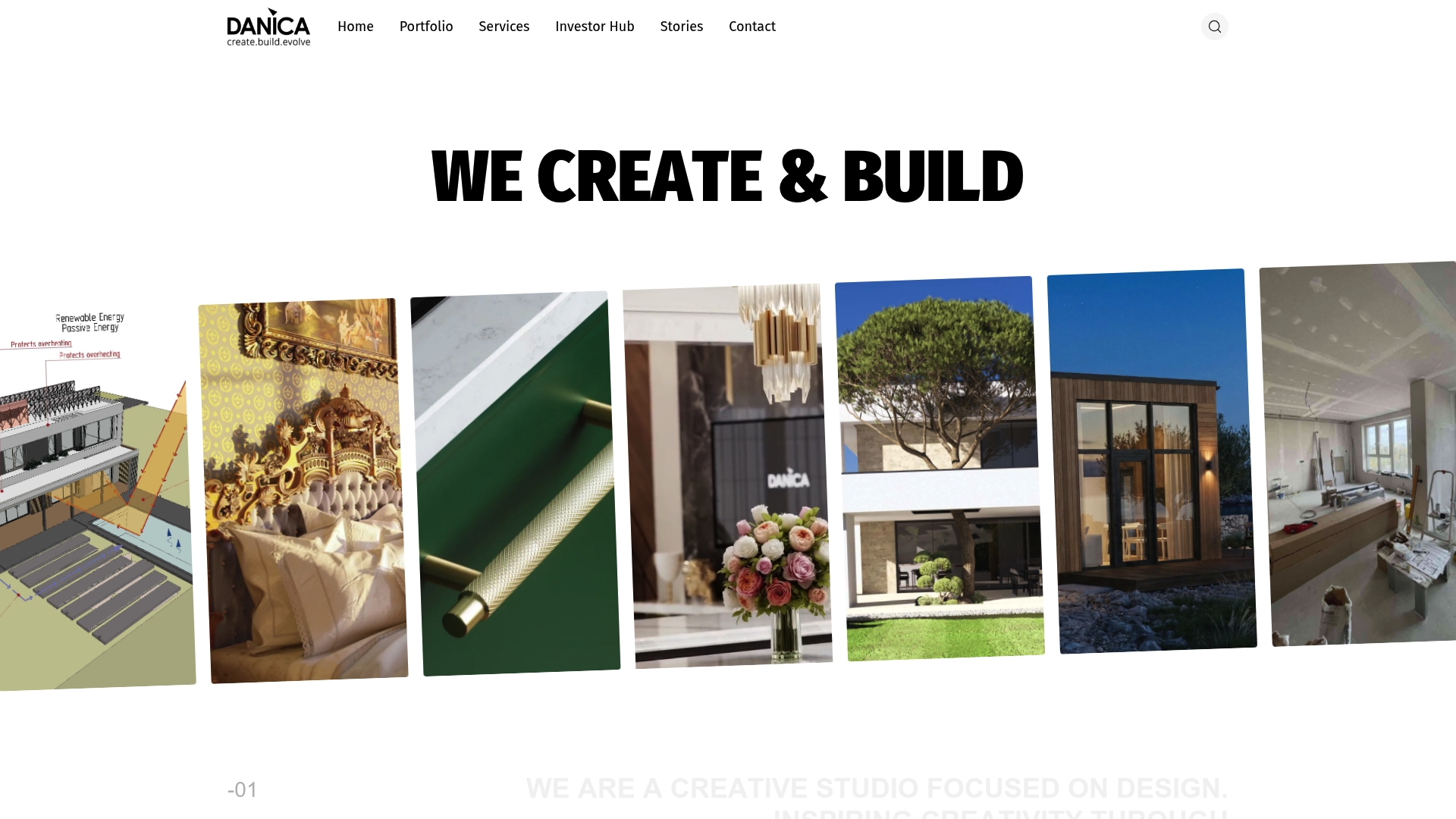
Discover how our team at Interior Design › Danica specialises in crafting innovative kitchen concepts that perfectly balance style and practicality. Whether you want detailed CGI visualisations or complete apartment renovations, our tailored solutions align with the latest trends like open plan designs and smart technology integration to maximise your investment. Take the next step to elevate your property by visiting Danica Space today and explore inspiring projects in our stories › Danica section for ideas that speak to your vision.
Frequently Asked Questions
What are the key benefits of an open plan kitchen layout?
An open plan kitchen layout enhances social interaction by dissolving boundaries between cooking and living areas. To maximise space and functionality, consider integrating kitchen islands that serve as gathering points and facilitate conversation among guests.
How can I implement minimalist design principles in my kitchen renovation?
To achieve a minimalist kitchen, focus on clean lines, neutral colours, and functional storage. Start by selecting integrated appliances and maintaining clear worktops to reduce visual clutter and create a calming environment.
What smart appliances should I consider for a modern kitchen renovation?
Invest in smart appliances like dishwashers with notification systems and induction cooktops that offer programmable features. Prioritising these can enhance tenant convenience and potentially reduce energy costs over time.
How can I maximise storage in a small kitchen renovation?
Integrate storage solutions, such as pull-out drawers and vertical shelving, to maximise space and maintain organisation. Create designated zones for cooking, cleaning, and food storage to ensure every item has its place.
What eco-friendly materials are best for a sustainable kitchen renovation?
Opt for materials like recycled glass for worktops and FSC-certified timber for cabinetry to promote sustainability. These options improve durability and reduce maintenance needs, benefiting both your property and the environment.
How do I choose a bold colour scheme that enhances my kitchen’s appeal?
Select one dominant accent colour to create high-impact surfaces, while introducing secondary colours sparingly. Experiment with combinations that create a striking visual interest without overwhelming the space to boost perceived value.


