Choosing the right interior design style for your apartment in 2026 means balancing aesthetics with practical considerations like budget, sustainability, and market appeal. With sustainability now a baseline expectation, property owners in Croatia and the UK face distinct challenges in selecting styles that enhance renovation success while maximizing property value. This guide clarifies the three dominant styles defining 2026 trends and provides actionable criteria to help you confidently choose the best fit for your investment.
Table of Contents
- How To Choose The Right Interior Design Style For Your Apartment
- Modern Coastal Style: Light, Airy, And Relaxed
- Organic Modern Style: Luxurious Comfort With Sustainability
- Japandi Style: Minimalism Meets Warmth For Urban Living
- Comparing Interior Design Styles: Strengths And Suitability In 2026
- Style Selection Summary And Situational Recommendations For Croatia And The UK
- Enhance Your Apartment Renovation With Danica’s Interior Design Expertise
Key Takeaways
| Point | Details |
|---|---|
| Style selection criteria | Prioritize apartment size, sustainability, budget constraints, and target market preferences to guide effective decisions. |
| Modern Coastal strengths | Light neutrals, natural textures, and airy layouts ideal for coastal or well-lit apartments with mid-level budgets. |
| Organic Modern appeal | Balances luxury with sustainability using warm woods and textured upholstery, suitable for diverse apartment sizes. |
| Japandi efficiency | Minimalist blend of Japanese and Scandinavian elements offers cost-effective solutions perfect for small urban flats. |
| Market impact in 2026 | Selecting styles aligned with wellness and sustainability trends significantly boosts rental yields and resale value. |
How to Choose the Right Interior Design Style for Your Apartment
Before diving into specific styles, establish a clear framework. Assess your apartment’s size and functional requirements first. A compact urban flat demands space-efficient solutions, while larger properties allow layered, luxurious finishes. Understanding the role of space planning helps you match style to spatial realities.
Consider sustainability and material longevity as non-negotiable factors. Your selection criteria should prioritize functionality, sustainability, budget, and market preferences to ensure long-term value. Materials that last reduce lifecycle costs and appeal to environmentally conscious tenants.
Budget influences both complexity and material quality. Higher budgets support intricate finishes and premium textiles, while constrained budgets favor minimalist approaches. Match your style to market preferences in your region. Research local rental or resale trends to identify what attracts premium tenants or buyers.
Balance personal taste with emerging trends to future-proof value. Styles embracing wellness and natural materials resonate strongly in 2026. Here’s a quick checklist:
- Evaluate apartment size and natural light availability
- Define sustainability goals and material preferences
- Set realistic budget limits for renovation and furnishings
- Identify target market demographics and their style preferences
- Review 2026 trend reports for alignment with market expectations
Pro Tip: Visiting renovated apartments or viewing portfolios from interior design criteria guides gives you tangible insight into how styles perform in real spaces.
Modern Coastal Style: Light, Airy, and Relaxed
Modern Coastal style captures the essence of seaside living through breezy, light-filled interiors. This style in 2026 emphasizes light neutrals, sea glass greens, natural textures like raffia and weathered wood, creating atmospheres that feel effortlessly refined. Sandy beiges, soft blues, and warm whites dominate palettes, complemented by organic materials that add tactile warmth.
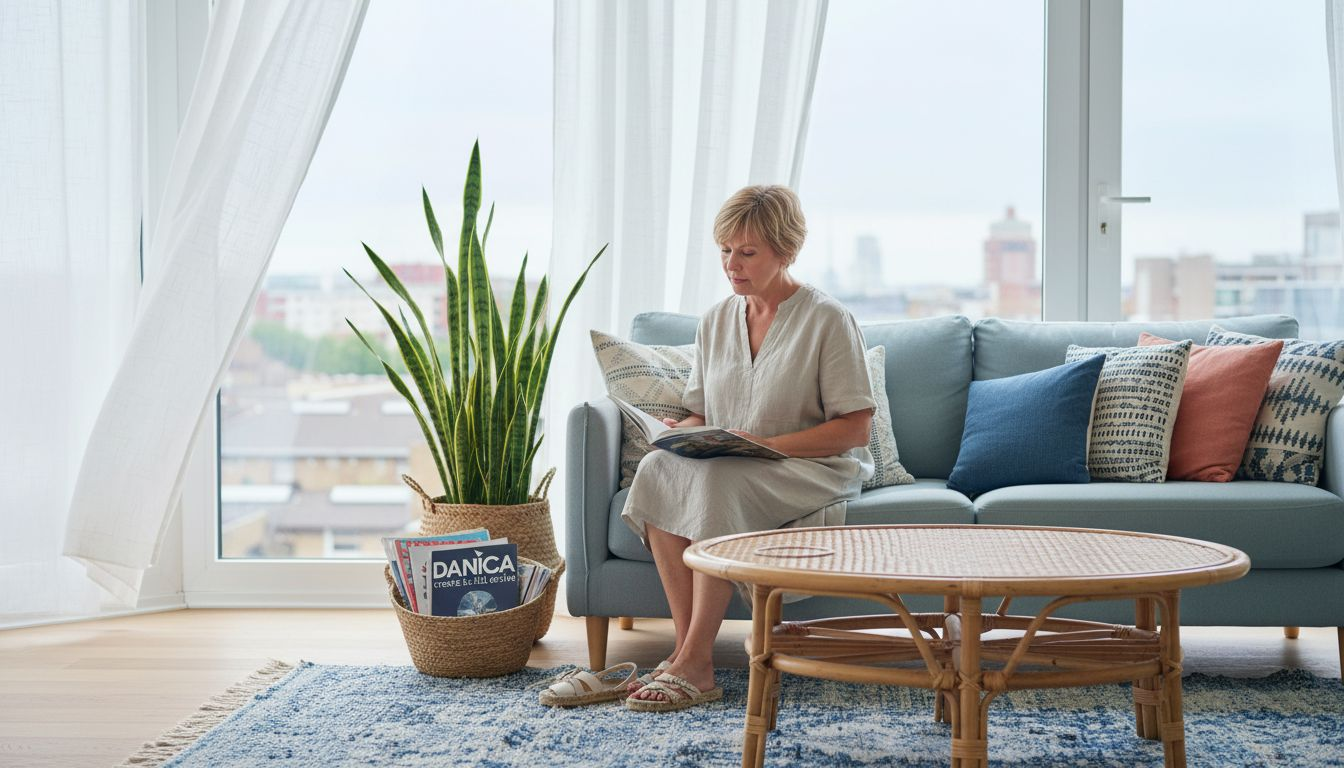
This style suits coastal apartments or urban properties with abundant natural light. Large windows and open layouts amplify the airy aesthetic. Mid-level renovation costs stem from sourcing quality natural materials like rattan furniture, linen textiles, and reclaimed wood accents. Expect moderate investment in finishes that prioritize authenticity over artifice.
Market appeal remains strong for buyers seeking relaxed yet sophisticated environments. Coastal properties benefit most, but well-lit city apartments also adapt beautifully. The style’s emphasis on simplicity and natural beauty aligns with wellness trends, attracting health-conscious tenants.
Key features include:
- Sandy neutrals, sea glass greens, and soft blues creating calming palettes
- Natural textures like rattan, jute, weathered wood, and linen
- Open, uncluttered layouts maximizing light and airflow
- Subtle nautical references without clichéd decorative elements
- Mid-range material costs balancing quality and budget
Pro Tip: Pair Modern Coastal with quality coastal-inspired lighting fixtures and textured rugs to anchor spaces without overwhelming the breezy aesthetic. Explore coastal style renovation stories for real-world examples.
Organic Modern Style: Luxurious Comfort with Sustainability
Organic Modern delivers a sophisticated fusion of clean lines and warm, natural materials. In 2026, this style remains relevant with clean lines, warm woods, plaster, and bouclé upholstery creating calming, luxurious interiors that emphasize wellness. Earthy tones, textured fabrics, and handcrafted details define the aesthetic.
This style suits both small and large apartments seeking balance between luxury and livability. Its versatility allows customization to various spatial constraints without sacrificing elegance. Mid-range budgets typically cover quality woods, plaster finishes, and premium upholstery, though costs scale with apartment size.
Sustainability sits at the core. Organic Modern prioritizes natural, renewable materials and timeless design that reduces waste. This focus appeals to environmentally aware investors targeting premium tenants who value wellness and ethical consumption. Market appeal remains exceptionally high for properties positioned in competitive rental markets.
Defining characteristics:
- Warm woods like oak, walnut, and teak combined with plaster or limewash finishes
- Textured upholstery including bouclé, linen, and organic cotton
- Neutral earth tones with occasional muted greens or terracottas
- Handcrafted details and artisanal accessories adding character
- Strong emphasis on natural light, ventilation, and biophilic elements
The style’s emphasis on longevity and repairability reduces long-term costs. Investing in quality pieces that age gracefully ensures sustained value. For deeper insights, review sustainable organic modern design principles.
Japandi Style: Minimalism Meets Warmth for Urban Living
Japandi merges Japanese minimalism with Scandinavian coziness, creating serene, functional spaces. This style blends Japanese minimalism and Scandinavian warmth with muted palettes and natural materials, making it perfect for small apartments with cost-efficient renovations. Simplicity, functionality, and subtle warmth define every element.
Muted color palettes feature soft greys, beiges, and warm whites accented by natural wood tones. Materials prioritize quality over quantity, with emphasis on craftsmanship and durability. Japandi excels in small urban apartments where space efficiency and minimalist aesthetics maximize livability without clutter.
Lower renovation costs result from design simplicity. Fewer furnishings, streamlined finishes, and focus on essential elements reduce material and labor expenses. This makes Japandi attractive for budget-conscious investors seeking modern, marketable interiors. Growing popularity among young professionals and minimalist-minded tenants boosts rental appeal.
Core attributes include:
- Muted color palettes of soft greys, beiges, and warm whites
- Natural materials like light woods, bamboo, and stone
- Minimalist furniture with clean lines and multifunctional designs
- Clutter-free spaces emphasizing essential items only
- Lower material and labor costs due to simplified design approach
Pro Tip: Incorporate subtle textiles like linen throws or woven baskets to add warmth without compromising minimalist principles. Check out Japandi style apartments for inspiration.
Comparing Interior Design Styles: Strengths and Suitability in 2026
Understanding how Modern Coastal, Organic Modern, and Japandi styles vary notably in aesthetics, cost, and suitability helps you make informed decisions. Here’s a practical comparison:
| Style | Color Palette | Typical Materials | Renovation Cost | Ideal Apartments | Target Market |
|---|---|---|---|---|---|
| Modern Coastal | Sandy neutrals, sea glass greens, soft blues | Rattan, weathered wood, linen | Mid-level | Coastal, well-lit urban | Relaxed luxury seekers |
| Organic Modern | Earthy tones, muted greens, terracotta | Warm woods, plaster, bouclé | Mid to high | Small to large, diverse | Premium tenants, wellness-focused |
| Japandi | Soft greys, beiges, warm whites | Light woods, bamboo, stone | Lower to mid | Small urban flats | Minimalists, young professionals |
Strengths and weaknesses clarify practical implications:
- Modern Coastal excels in light-filled spaces but may feel too casual for formal markets
- Organic Modern balances luxury and sustainability yet requires higher material investment
- Japandi offers cost efficiency and space optimization but lacks the warmth some buyers seek
- Style choice directly affects renovation budgeting and timeline
- Market appeal varies by location, with coastal areas favoring Modern Coastal and urban centers leaning toward Japandi
Your selection should reflect both apartment characteristics and target demographic preferences. Space planning for design suitability ensures alignment between style and spatial functionality. Review the style comparison chart for deeper analysis.
Style Selection Summary and Situational Recommendations for Croatia and the UK
Aligning style choice with apartment location and investor goals maximizes ROI and tenant appeal in both Croatia and the UK. Here’s how to match styles to specific scenarios:
Recommend Modern Coastal for bright coastal properties or apartments with large windows and abundant natural light. This style resonates strongly in Croatian coastal cities like Split or Dubrovnik, where seaside aesthetics command premium rates. UK coastal towns also benefit from this approach.
Suggest Organic Modern for investors needing balance between luxury and sustainability. This style performs well in both markets, appealing to environmentally conscious professionals seeking refined, wellness-focused living. It’s ideal for mid-sized to large apartments targeting premium rental segments.
Advocate Japandi for small, minimalist urban flats with budget constraints. Zagreb, London, and other urban centers attract young professionals and minimalists who value efficiency and modern aesthetics. Lower renovation costs make this style accessible for first-time investors.
Emphasize factoring sustainability and wellness for long-term value. Styles incorporating natural materials, biophilic design, and timeless aesthetics maintain relevance as tenant preferences evolve. Properties designed with these principles enjoy higher occupancy and resale premiums.
Steps to finalize your style choice:
- Assess your apartment’s size, natural light, and existing architectural features
- Define your budget range and identify non-negotiable material preferences
- Research target tenant demographics in your specific location
- Review investor renovation ROI insights to understand market returns
- Consult 2026 style selection advice to validate alignment with current trends
Making an informed choice now positions your property for sustained success in competitive markets. Prioritize flexibility by selecting styles that adapt to evolving tenant needs without requiring complete redesigns.
Enhance Your Apartment Renovation with Danica’s Interior Design Expertise
Transforming design insights into tangible results requires professional expertise. Danica offers turnkey renovation and interior design services tailored to the trending 2026 styles discussed here. Whether you’re enhancing a coastal property with Modern Coastal elegance or optimizing a compact urban flat with Japandi efficiency, our team delivers solutions that maximize property value and market appeal.
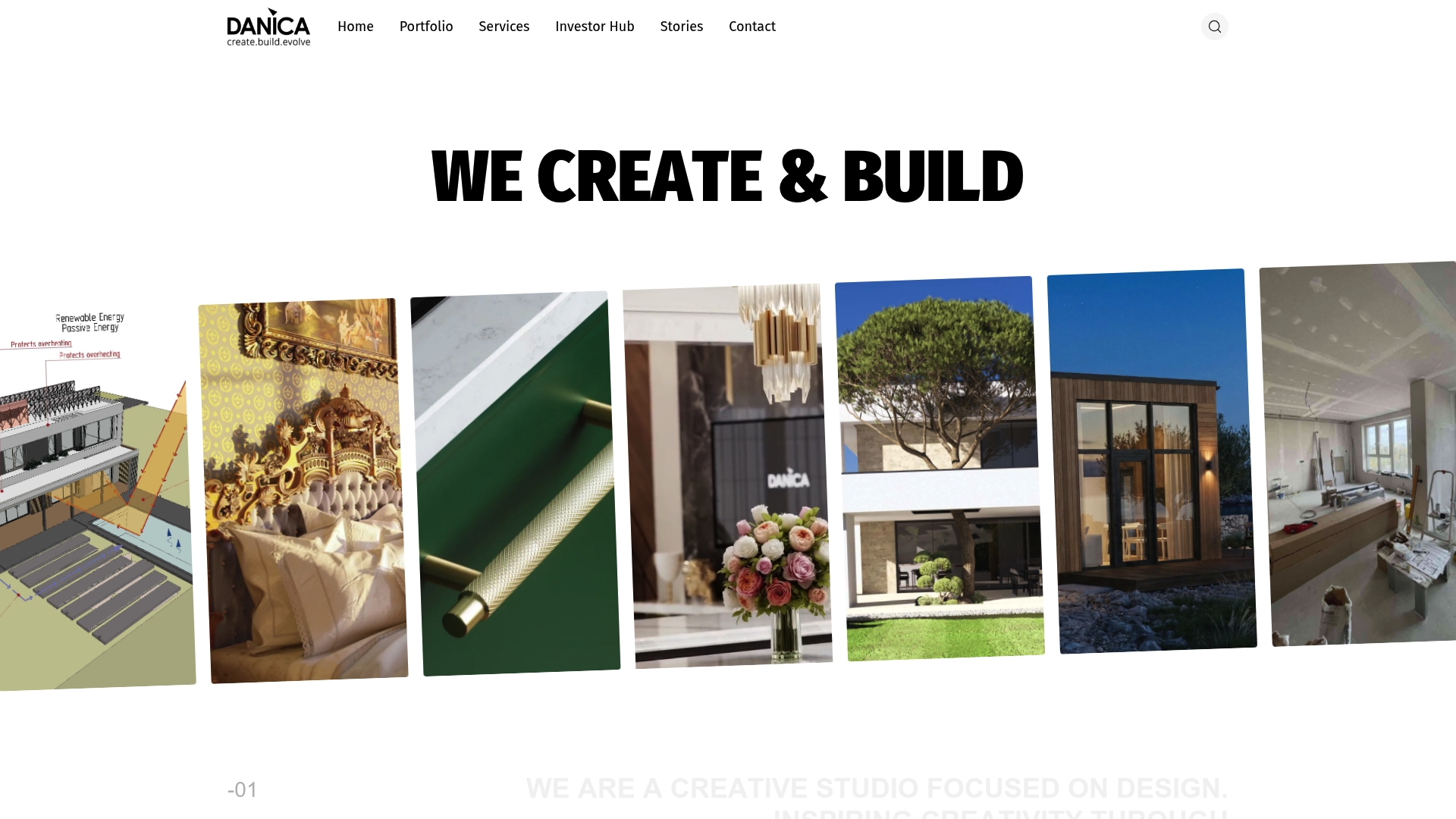
Our expertise helps investors and owners in Croatia and the UK navigate complex renovation decisions with confidence. Professional design and renovation reduce risk, accelerate timelines, and increase rental or resale appeal. From concept design and CGI visualizations to complete construction management, Danica ensures your apartment renovation aligns with market demands and investment goals. Explore our apartment renovation guide or discover our turnkey apartment renovation services to start your project.
FAQ
What are the most cost-effective interior design styles for small apartments?
Japandi style offers the most cost-effective solution for small apartments. Its minimalist approach reduces material and labor expenses while maximizing space efficiency and modern appeal.
How does sustainability influence interior style choice in 2026?
Sustainability is now a baseline expectation influencing material selection and design longevity. Styles emphasizing natural, repairable materials like Organic Modern align with wellness trends and tenant preferences. Learn more about sustainable interiors.
Which interior styles attract the highest rental yields in the UK and Croatia?
Organic Modern and Japandi styles attract the highest rental yields in both markets. These styles blend comfort, sustainability, and modern aesthetics, driving higher occupancy rates and premium rents.
Can Modern Coastal style work in urban apartments away from the coast?
Yes, Modern Coastal adapts beautifully to urban apartments with abundant natural light. The key is emphasizing light neutrals and natural textures rather than literal nautical elements, creating airy, relaxed interiors that feel spacious.
How long do interior design trends typically remain relevant for property value?
Well-executed timeless styles like Organic Modern and Japandi remain relevant for 5 to 10 years. Prioritizing quality materials and avoiding overly trendy elements ensures sustained market appeal and value retention.