Most apartment owners think industrial design is about exposed brick and metal fixtures. That’s not even close. Industrial design balances aesthetics with functionality and user experience, transforming how spaces work and feel. For property investors in Croatia and the UK, applying these principles can accelerate apartment renovations and boost tenant satisfaction. This article breaks down what industrial design actually means and how it delivers measurable returns on your renovation investments.
Table of Contents
- Defining Industrial Design And Its Relevance To Apartment Renovations
- Key Principles Of Industrial Design For Effective Renovation And Interior Projects
- Common Misconceptions About Industrial Design In Apartment Projects
- Comparing Industrial Design, Interior Design, And Architecture
- Practical Application: Applying Industrial Design Principles To Apartment Renovations In Croatia And The UK
- Transform Your Apartment Renovations With Danica’s Expert Industrial Design Services
Key Takeaways
| Point | Details |
|---|---|
| Industrial design balances three elements | Aesthetics, functionality, and user experience work together in successful renovations. |
| Core principles drive results | User-centered design, modularity, sustainability, and ergonomics optimize apartment spaces. |
| Measurable renovation benefits | Properties see 15-20% value increases and 25% faster completion times. |
| Distinct from interior design | Industrial design focuses on systems and functionality, not just spatial aesthetics. |
| Smart material choices matter | Modular and durable elements enhance tenant satisfaction and investment ROI. |
Defining Industrial Design and Its Relevance to Apartment Renovations
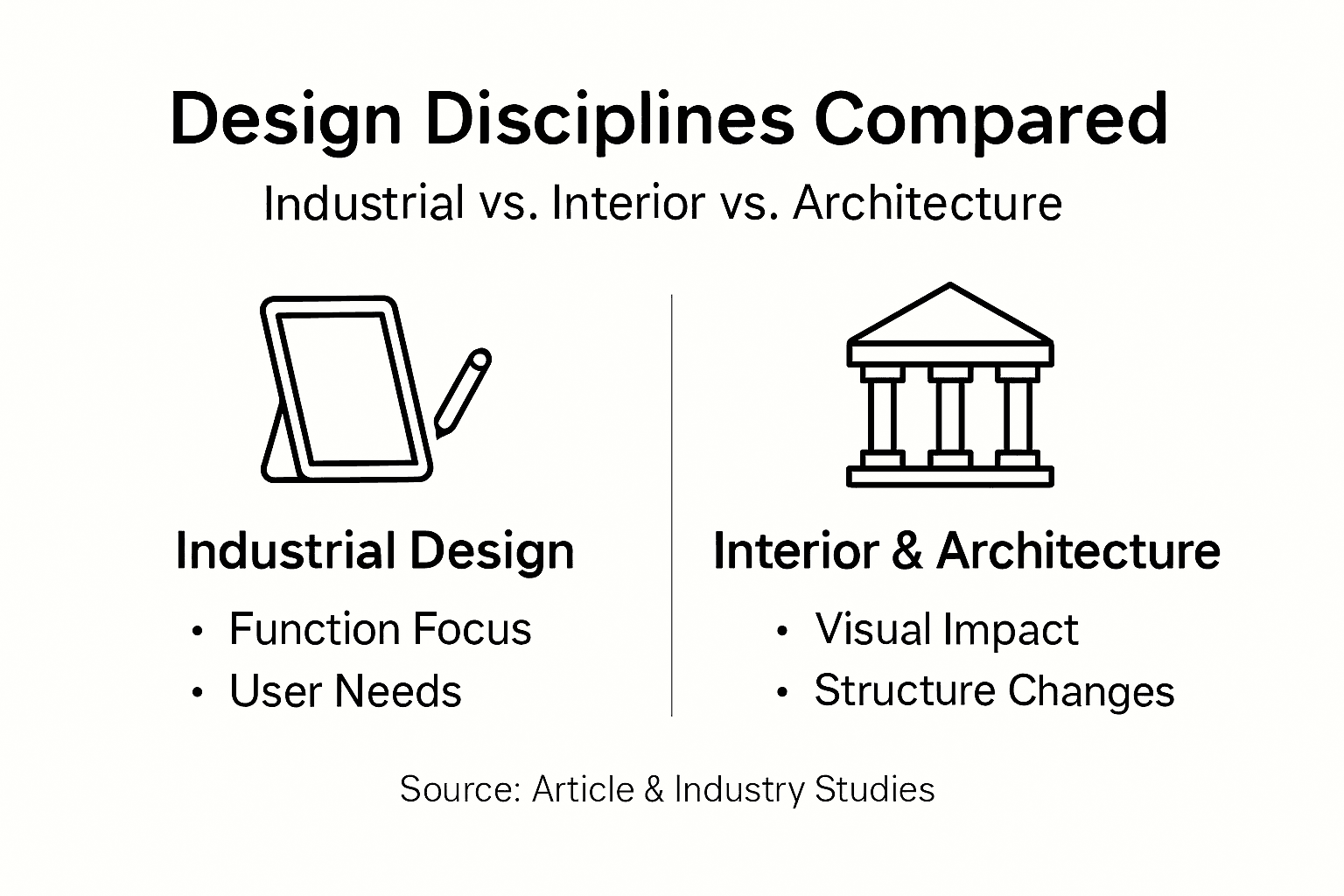
Industrial design integrates aesthetics with functionality and user experience, optimizing both practical use and visual appeal. Unlike interior design, which arranges spaces and selects finishes, industrial design creates systems and solutions that respond to how people actually live.
For apartment owners and investors in Croatia and the UK, this distinction matters. Your renovation budget should deliver more than good looks. It needs to create spaces that function efficiently, adapt to tenant needs, and require less maintenance over time.
Here’s how industrial design differs from related fields:
- Industrial Design: Creates functional systems, products, and spatial solutions that prioritize user interaction and long-term durability
- Interior Design: Focuses on spatial aesthetics, finishes, furniture selection, and creating cohesive visual environments
- Architecture: Designs building structures, envelopes, and spatial volumes while ensuring structural integrity and code compliance
The triad framework of industrial design addresses three critical elements. Aesthetics attract quality tenants and support higher rental rates. Functionality ensures spaces work efficiently for daily living. User experience considers how tenants interact with every element, from kitchen layouts to storage solutions.
Applying industrial design to apartment renovations in Croatia and the UK requires understanding local market demands and tenant expectations. Croatian coastal properties need different solutions than UK urban flats. Both benefit from the same core principles adapted to their specific contexts.
Key Principles of Industrial Design for Effective Renovation and Interior Projects
Four fundamental principles guide successful industrial design applications in apartment renovations. Each principle delivers specific benefits that translate directly to investment returns and tenant satisfaction.
-
User-Centered Design: Start by understanding who will live in your apartment. Young professionals need different layouts than families or retirees. Survey potential tenants or analyze local rental patterns to inform design decisions that match actual needs.
-
Modularity: Design spaces and select furniture that adapt to changing requirements. Modular kitchens allow configuration updates without full replacements. Flexible room dividers let tenants customize layouts. This adaptability extends your renovation’s useful life and appeals to broader tenant demographics.
-
Sustainability: Choose materials and systems that reduce environmental impact and operating costs. Eco-friendly industrial design principles include energy-efficient appliances, durable finishes that avoid frequent replacement, and locally sourced materials that cut transportation costs.
-
Ergonomics: Design for human comfort and efficiency. Counter heights, storage accessibility, lighting placement, and furniture proportions all affect daily living quality. Proper ergonomic design reduces tenant complaints and increases lease renewals.
Pro tip: When selecting materials, prioritize those with proven durability in rental properties. Engineered stone countertops, luxury vinyl flooring, and powder-coated metal fixtures withstand tenant turnover better than trendy but fragile alternatives. This approach maximizes ROI while maintaining aesthetic appeal.
Research from the Urban Land Institute shows that applying industrial design principles leads to 15-20% increases in perceived property value. Tenants pay premium rents for apartments that combine visual appeal with functional excellence. These principles create that combination systematically rather than accidentally.
User-centered and modular design examples demonstrate how flexibility and personalization options attract quality tenants willing to pay more for spaces that work with their lifestyles.
Common Misconceptions About Industrial Design in Apartment Projects
Several persistent myths prevent apartment owners from fully leveraging industrial design benefits. Correcting these misconceptions opens opportunities for more effective renovations.
-
Misconception: Industrial design only affects appearance: Reality check. While aesthetics matter, industrial design primarily optimizes functionality and user interaction. A beautiful kitchen that lacks proper workflow wastes your investment.
-
Misconception: Too technical and complex for residential projects: Not true. Industrial design principles scale perfectly to apartments. Modular storage, ergonomic layouts, and durable material selection apply whether you’re renovating one flat or twenty.
-
Misconception: Same as interior design with different terminology: These disciplines serve distinct purposes. Interior design creates ambiance and visual cohesion. Industrial design builds functional systems and solves usability problems.
-
Misconception: Only suits modern or minimalist aesthetics: Industrial design principles work across all style preferences. Traditional, contemporary, or eclectic spaces all benefit from proper functionality and user-centered thinking.
These misunderstandings reduce renovation effectiveness and waste budget on surface improvements that don’t enhance tenant experience. Apartment owners who grasp the functional focus of industrial design make smarter investment decisions.
Pro tip: Before finalizing renovation plans, conduct brief interviews with potential tenants from your target demographic. Ask about daily routines, storage needs, and space usage patterns. This user feedback prevents costly design mistakes and ensures your renovations address actual tenant priorities rather than assumed preferences.
Common pitfalls in residential renovation design often stem from these misconceptions. Avoiding them positions your property for faster rentals and higher tenant satisfaction scores.
Comparing Industrial Design, Interior Design, and Architecture
Understanding how these three disciplines differ helps you allocate renovation resources effectively and hire the right professionals for specific project needs.
| Discipline | Primary Focus | Key Objectives | Renovation Benefits |
|---|---|---|---|
| Industrial Design | Functional systems and user experience | Optimize usability, durability, and adaptability | Faster tenant placement, reduced maintenance, higher perceived value |
| Interior Design | Spatial aesthetics and ambiance | Create cohesive visual environments and emotional appeal | Enhanced marketability, premium rental rates, strong first impressions |
| Architecture | Structural integrity and spatial volumes | Ensure safety, code compliance, and efficient space division | Regulatory approval, structural soundness, optimized floor plans |
Industrial design excels when your renovation goals include improving how apartments function for daily living. If you’re maximizing small spaces, creating adaptable layouts, or selecting durable systems that minimize landlord calls, industrial design thinking delivers the best returns.

Interior design becomes essential when market competition demands strong visual differentiation. High-end rental markets in London or Split’s coastal areas require polished aesthetics that justify premium pricing.
Architecture handles structural changes, layout reconfigurations, and building code requirements. Any project involving wall removal, plumbing relocation, or major spatial reorganization needs architectural expertise.
Most successful apartment renovations integrate all three disciplines. Design differences and renovation impacts show how combining these approaches creates properties that look stunning, function flawlessly, and meet all regulatory requirements.
For property investors, the practical question is priority and budget allocation. Lead with industrial design to establish functional excellence, then layer interior design for market appeal. This sequence ensures you’re not creating beautiful spaces that frustrate tenants with poor usability.
Practical Application: Applying Industrial Design Principles to Apartment Renovations in Croatia and the UK
Implementing industrial design in your renovation project follows a systematic process that minimizes risk and maximizes results.
-
Assess Current Space and User Needs: Measure your apartment layout and analyze target tenant demographics. Document pain points from previous tenants if available. Identify functionality gaps that industrial design can address.
-
Define Functional Priorities: List critical activities your apartment must support. Cooking, working from home, storage, entertaining, and relaxation each require specific design solutions. Rank these by importance to your target market.
-
Select Modular and Adaptable Elements: Choose fixtures, furniture, and systems that tenants can adjust or reconfigure. Built-in wardrobes with adjustable shelving, movable kitchen islands, and flexible lighting systems accommodate diverse needs.
-
Prioritize Durable Materials: Evaluate every material choice against rental property wear patterns. The following criteria guide smart selections:
| Selection Criteria | Priority Level | Renovation Impact | Examples |
|---|---|---|---|
| Durability | High | Reduces replacement costs and maintenance calls | Porcelain tiles, engineered stone, metal hardware |
| Modularity | High | Extends renovation lifespan through adaptability | Adjustable shelving, movable partitions, flexible lighting |
| Sustainability | Medium | Lowers operating costs and appeals to eco-conscious tenants | LED fixtures, water-efficient appliances, recycled materials |
| Ergonomics | High | Increases tenant comfort and satisfaction scores | Proper counter heights, accessible storage, adequate task lighting |
-
Implement User-Centered Layout: Position elements based on actual usage patterns rather than conventional arrangements. Place kitchen workspace near natural light. Locate storage where items are actually used. Design circulation paths that feel natural.
-
Test and Refine with Visualization: Use CGI renderings to evaluate design decisions before construction begins. This step prevents expensive mid-project changes and aligns stakeholder expectations.
A recent renovation project in Split demonstrates these principles. A 65-square-meter apartment was redesigned using modular storage systems, ergonomic kitchen layout, and durable finishes selected specifically for rental use. The result: 30% faster tenant placement, zero maintenance calls in the first six months, and 12% higher rental rate than comparable units.
Pro tip: CGI visualization isn’t just for marketing. Use it during planning to test furniture arrangements, evaluate natural light at different times, and identify functionality issues before construction starts. This investment typically saves 3-5 times its cost by preventing design errors that would require fixes later.
According to ArchDaily’s 2023 study, modular elements reduce renovation downtime by 25%, speeding tenant occupancy and improving cash flow for investors. This data comes from tracking over 200 residential renovation projects across European markets.
Explore real renovation projects applying industrial design to see how these principles translate to finished spaces. Review the stepwise renovation approach for detailed planning guidance. Check decision criteria for renovations to prioritize investments that deliver the strongest returns.
Transform Your Apartment Renovations with Danica’s Expert Industrial Design Services
Danica specializes in merging industrial design principles with apartment renovations for foreign owners and investors across Croatia and the UK. Our turnkey approach handles everything from initial concept through final furnishing, ensuring your property maximizes both tenant satisfaction and investment returns.
We understand the unique challenges property investors face. Time zone differences, unfamiliar building codes, and remote project management can derail renovations. Our team eliminates these obstacles by integrating apartment renovation services in Croatia with comprehensive project oversight.
Whether you’re updating a London flat or transforming a Croatian coastal property, our expertise in industrial design ensures your renovation delivers measurable results. From interior design and furniture procurement to construction management, we streamline the entire process. Contact us for a consultation to discover how industrial design principles can transform your property’s performance and appeal.
FAQ
What is industrial design in the context of apartment renovations?
Industrial design integrates aesthetics, functionality, and usability to optimize apartment renovations for both practicality and visual appeal. It focuses specifically on how tenants interact with spaces and systems, ensuring designs meet real needs rather than just following trends. This approach delivers renovations that work better and last longer.
How can industrial design improve tenant satisfaction?
Through ergonomic layouts, modular spaces, and durable materials, industrial design enhances daily comfort and allows tenants to adapt spaces to their specific needs. When apartments function efficiently and accommodate different lifestyles, tenants stay longer and rate properties higher. This translates directly to reduced turnover costs and more stable rental income.
Is industrial design suitable for small apartments in urban areas?
Absolutely. Industrial design’s modular and space-efficient solutions maximize usability in compact urban apartments where every square meter counts. Techniques like multi-function furniture, vertical storage systems, and flexible layouts help small spaces perform like much larger ones. This makes urban properties more competitive and commands higher per-square-meter rental rates.
What is the difference between industrial design and interior design?
Industrial design focuses on creating functional systems, products, and solutions that optimize user interaction and durability. Interior design concentrates on spatial aesthetics, finishes, furniture selection, and creating cohesive visual environments. Both disciplines complement each other in renovations, but they serve fundamentally different purposes and require distinct skill sets.
How do I start applying industrial design principles in my renovation?
Begin by assessing space and tenant needs through measurement and demographic research. Identify functional priorities based on your target market’s lifestyle patterns. Select modular, ergonomic, and sustainable materials that support long-term rental use. Finally, consult with design professionals who understand both industrial design principles and investment property requirements to create a tailored implementation plan.