
Finding trustworthy guidance on sustainable interiors can feel confusing, especially when the definition shifts by location and context. For apartment owners in Croatia and the UK, eco-friendly renovation goes far beyond trendy finishes and recycled labels—it is about every decision from energy efficiency to material sourcing. Understanding these complex, locally informed choices helps you create interiors that are truly sustainable, add market value, and reflect your priorities. Bold, responsible design begins with a clear distinction between genuine action and common myths.
Ergonomic furniture placement
| emphasize natural materials, flexible spaces, y sustainable solutions that resonate con local preferences. | Cultural context significantly influences diseño success en the Croatian market. Mediterranean aesthetics, indoor-outdoor living integration, y materials that complement coastal o urban environments create authentic connections con potential occupants. |
|---|---|
| Materials sourced responsibly, low embodied carbon, minimal waste | Indoor air quality: |
| Non-toxic finishes, proper ventilation, natural light optimisation | Energy performance: |
| Efficient heating, cooling, y lighting systems | Improved indoor environments enhance residents’ health by reducing respiratory issues and promoting overall wellbeing, making these renovations a logical investment. |
| Designs that last decades, not years; spaces that adapt a changing needs | It’s essential to critically assess claims of sustainability in products and materials, focusing on verified certifications to ensure genuine eco-friendly choices. |
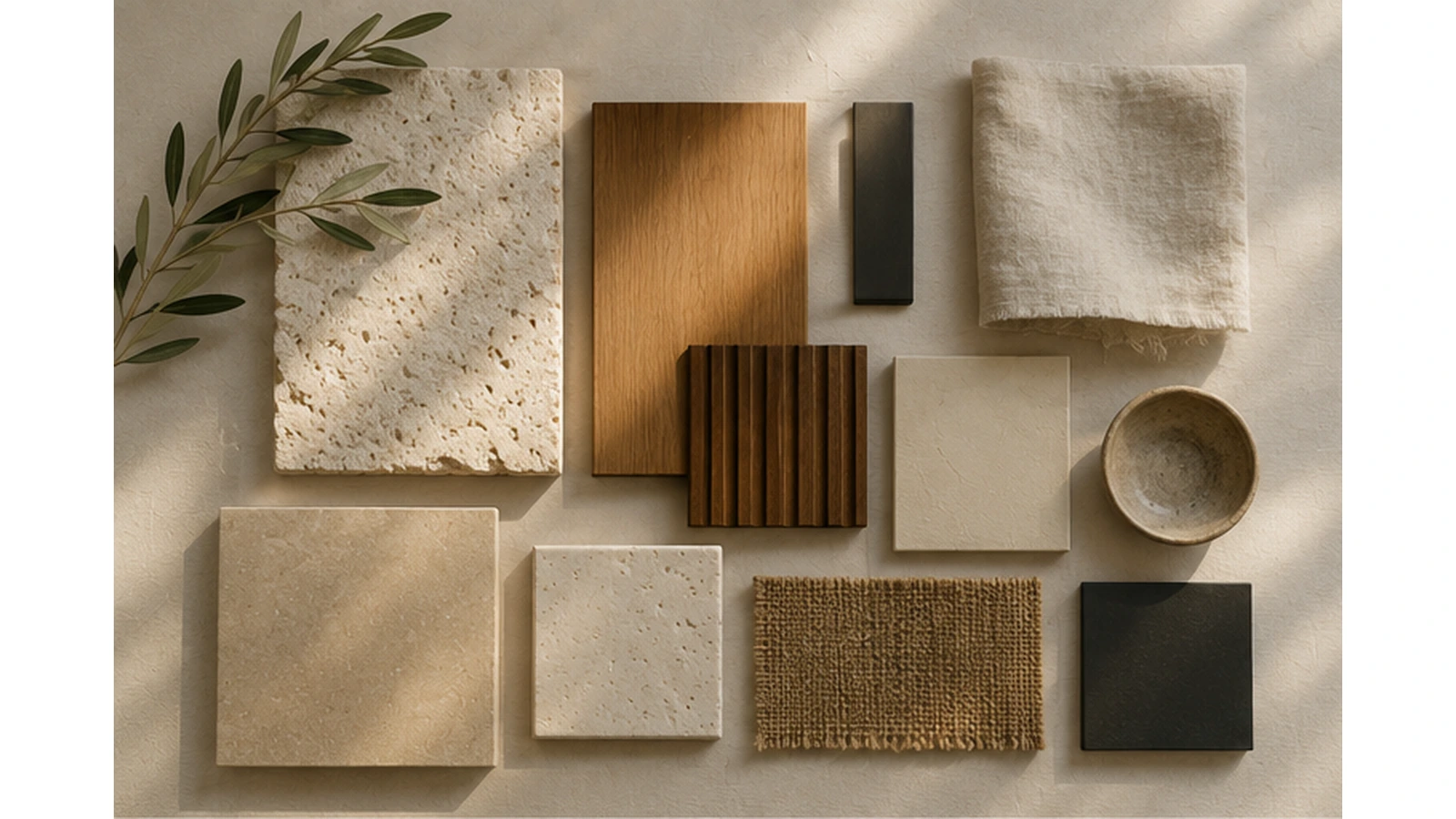
Stone, timber, recycled ceramics
Sustainable interiors mean far more than simply choosing recycled materials or adding a few green plants. The concept encompasses how your living space impacts the environment, your health, and your property’s long-term value. But the definition isn’t always straightforward.
Sustainable design integrates environmental responsibility into every decision—from materials selection to energy consumption, ventilation, and waste management. Myth 2: It’s All About Aesthetics y Sacrifice highlight that what’s sustainable varies depending on your location, building type, and specific environmental priorities.
Contemporary sustainable diseño actually enhances spaces by improving natural light, air quality, y thermal comfort—elements that directly contribute a wellbeing.
To help clarify the unique priorities between Croatia and the UK, here’s a comparison of sustainable interior considerations for apartment owners in each country:
| Sustainable diseño represents an ethical imperative | rather than a specialised luxury. The traditional building practices cause substantial environmental harm. Forward-thinking designers y renovators integrate sustainability into standard practice, not as an optional add-on. | This shift means sustainable interiors increasingly become the baseline expectation, especially en property markets where buyers y renters actively seek eco-friendly homes. |
|---|---|---|
| What This Means para Your Property | Defining sustainability para your space requires understanding your specific context. Consider: | Your building’s orientation y climate zone |
| The property’s current condition y reforma timeline | Your intended use (personal residence, rental investment, mixed-use] | Local building regulations y incentives |
| Sustainable interiors aren’t formulaic. They’re tailored responses a your property’s unique circumstances y your values. | Pro tip: | Start by documenting your apartment’s current energy performance y material composition. This baseline assessment reveals which changes deliver the greatest environmental y financial returns, helping you prioritise investments wisely. |
| Eco-friendly diseño isn’t about picking green colours o slapping recycled labels on products. It’s a systematic approach that considers every material choice, energy pathway, y end-of-life impact. The best sustainable interiors follow clear, measurable principles that reduce environmental harm whilst enhancing functionality. | Think of it as designing para longevity rather than disposal. Every element—from flooring a fixtures—should serve multiple purposes o transition gracefully when no longer needed en your space. | The Three Core Principles |
Circular economy diseño
rests on three interconnected principles that guide eco-friendly interiors:
- Eliminate waste y pollution: Diseño out unnecessary materials, toxic finishes, y single-use elements de the start
- Circulate materials at highest value: Choose products that can be repaired, upgraded, o returned a production cycles rather than landfill
- Regenerate natural systems: Select materials that restore o support environmental health—sustainably harvested timber, recycled content, o rapidly renewable resources
- These aren’t abstract concepts. They translate directly into reforma decisions you’ll make. Practical Diseño Features That Work
Sustainable interiors incorporate specific features that reduce environmental impact:
Many apartment owners assume eco-friendly renovations drain budgets immediately. Reality differs. Strategic choices—like preserving existing fixtures, selecting durable materials over cheap replacements, and prioritising high-impact upgrades—often cost the same or less than conventional renovations.
Choose finishes rated para 20+ years rather than trendy surfaces needing replacement every 5 years
Myth 2: It’s All About Aesthetics and Sacrifice
Another common misconception suggests sustainable design means sacrificing style or comfort. This couldn’t be further from truth. Modern eco-friendly interiors are aesthetically sophisticated, comfortable, and highly desirable.
Contemporary sustainable design actually enhances spaces by improving natural light, air quality, and thermal comfort—elements that directly contribute to wellbeing.
Low-VOC paints, formaldehyde-free boards, y natural sealers improve indoor air quality whilst reducing chemical manufacturing impact
Flexible layouts: Adaptable spaces adjust a changing needs without requiring reforma, extending the interior’s useful life
Local sourcing:
Materials sourced within 500 kilometres reduce transportation emissions significantly
The 6Rs Framework
- Your building’s orientation and climate zone
- The property’s current condition and renovation timeline
- Reduce:
- Minimise materials used; don’t renovate unnecessarily
Sustainable interiors aren’t formulaic. They’re tailored responses to your property’s unique circumstances and your values.
Appliances con highest efficiency ratings Start by documenting your apartment’s current energy performance and material composition. This baseline assessment reveals which changes deliver the greatest environmental and financial returns, helping you prioritise investments wisely.
Brick, reclaimed wood, wool
Eco-friendly design isn’t about picking green colours or slapping recycled labels on products. It’s a systematic approach that considers every material choice, energy pathway, and end-of-life impact. The best sustainable interiors follow clear, measurable principles that reduce environmental harm whilst enhancing functionality.
Think of it as designing for longevity rather than disposal. Every element—from flooring to fixtures—should serve multiple purposes or transition gracefully when no longer needed in your space.
Select materials that can be extracted y reprocessed later
Redesign: Choose adaptable products over single-purpose ones
- Remanufacture: Prioritise products made de factory-recovered o post-consumer waste
- The strongest sustainable choice is always the material you already own. Preserving existing elements beats replacing them con eco-friendly alternatives.
- For Croatian y UK apartment owners, these principles mean conducting honest audits antes de renovating. Often the most sustainable reforma preserves 60–80% of existing interiors, selectively upgrading only high-impact areas. Select materials that restore or support environmental health—sustainably harvested timber, recycled content, or rapidly renewable resources
These aren’t abstract concepts. They translate directly into renovation decisions you’ll make.
Responsible reforma means selecting materials strategically—not just swapping everything para eco-alternatives, but making deliberate choices that balance environmental impact con durability y cost.
Next-Generation Materials Worth Considering
- Regenerative y innovative building materials significantly reduce embodied carbon compared a conventional options. Consider these alternatives:
- Rapidly renewable materials: Cork, bamboo, y agricultural waste composites regrow within 5–15 years
- Recycled content products: Recycled glass tiles, reclaimed wood, y post-consumer plastic composites divert waste whilst performing well
- Bio-based materials: Adaptable spaces adjust to changing needs without requiring renovation, extending the interior’s useful life
- Reclaimed y refurbished elements: Salvaged flooring, vintage fixtures, y restored millwork combine authenticity con zero manufacturing impact
Strategic Refurbishment Over Replacement
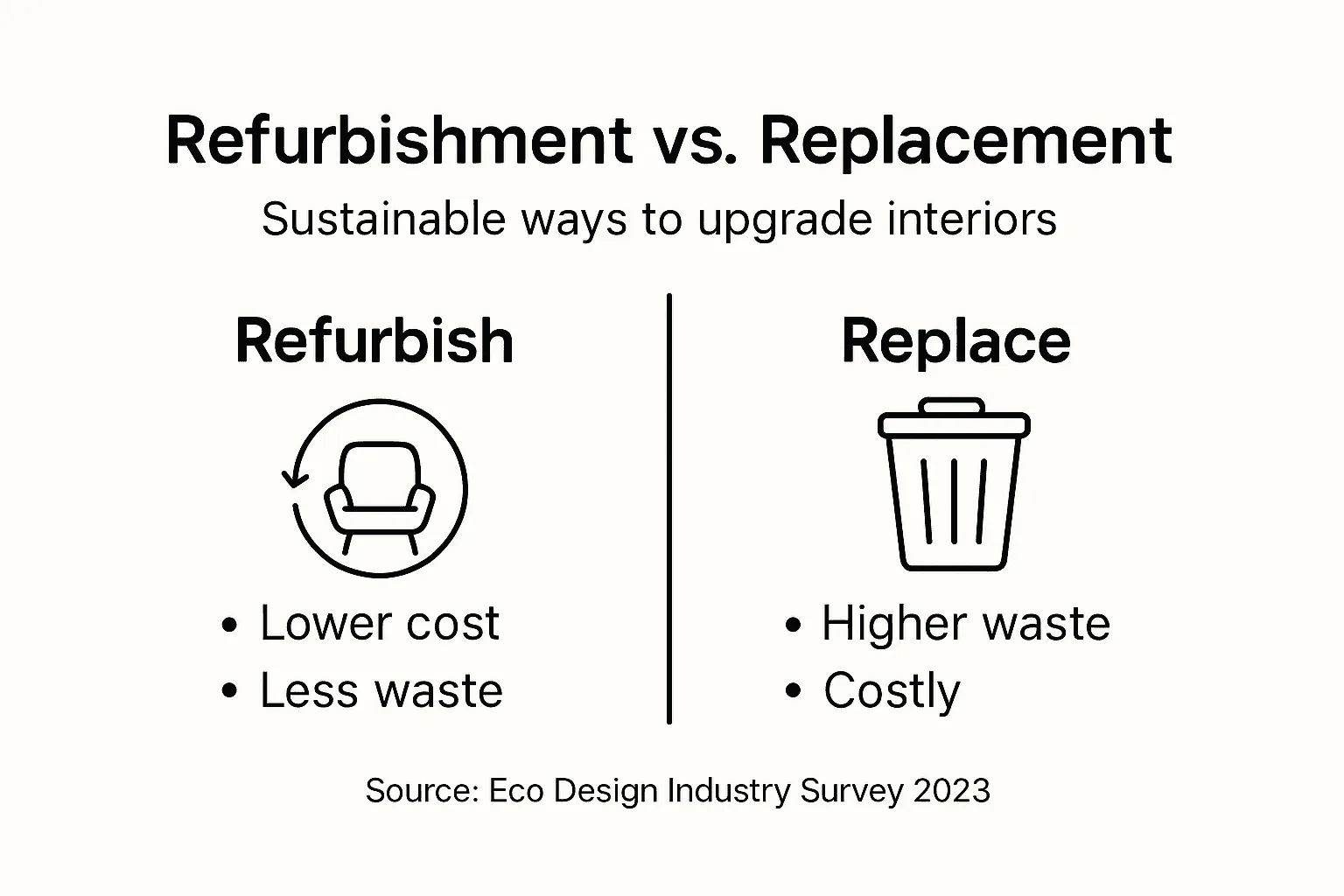
Reuse y refurbishment strategies maximise the environmental value already embedded en your apartment’s existing structure. Rather than demolishing y rebuilding, thoughtful refurbishment retains walls, flooring, y mechanical systems that still function.
- This approach saves 40–60% of reforma costs whilst reducing waste by up a 80%. para rental properties, it’s economically superior; para personal use, it preserves the building’s character. Minimise materials used; don’t renovate unnecessarily
- Approach material selection systematically: Audit existing elements:
- Document what can stay, be refurbished, o require replacement Prioritise high-impact areas:
- Focus on materials that affect energy performance y indoor health most significantly Source responsibly:
- Request environmental product declarations y verify certifications Plan para end-of-life:
- Select materials compatible con local recycling o composting infrastructure Retention beats replacement.
The most sustainable material choice is the one already en your space. Refurbishing existing elements typically delivers better environmental outcomes than installing new eco-friendly alternatives. For UK apartments con Victorian features o Croatian buildings con stone elements, preservation often aligns perfectly con sustainability goals whilst adding market value.
For Croatian and UK apartment owners, these principles mean conducting honest audits before renovating. Often the most sustainable renovation preserves 60–80% of existing interiors, selectively upgrading only high-impact areas.
Appliances con highest efficiency ratings When selecting new materials, request environmental product declarations (EPDs] from manufacturers. These third-party certifications reveal embodied carbon, water use, and end-of-life recyclability—allowing you to compare options objectively rather than relying on marketing claims.
Regulation focus
Choosing what to build with matters as much as how you build. Traditional materials like virgin timber, concrete, and synthetic composites carry substantial environmental baggage before they even arrive at your apartment. Innovative alternatives exist, and they’re becoming more accessible across Croatian and UK markets.
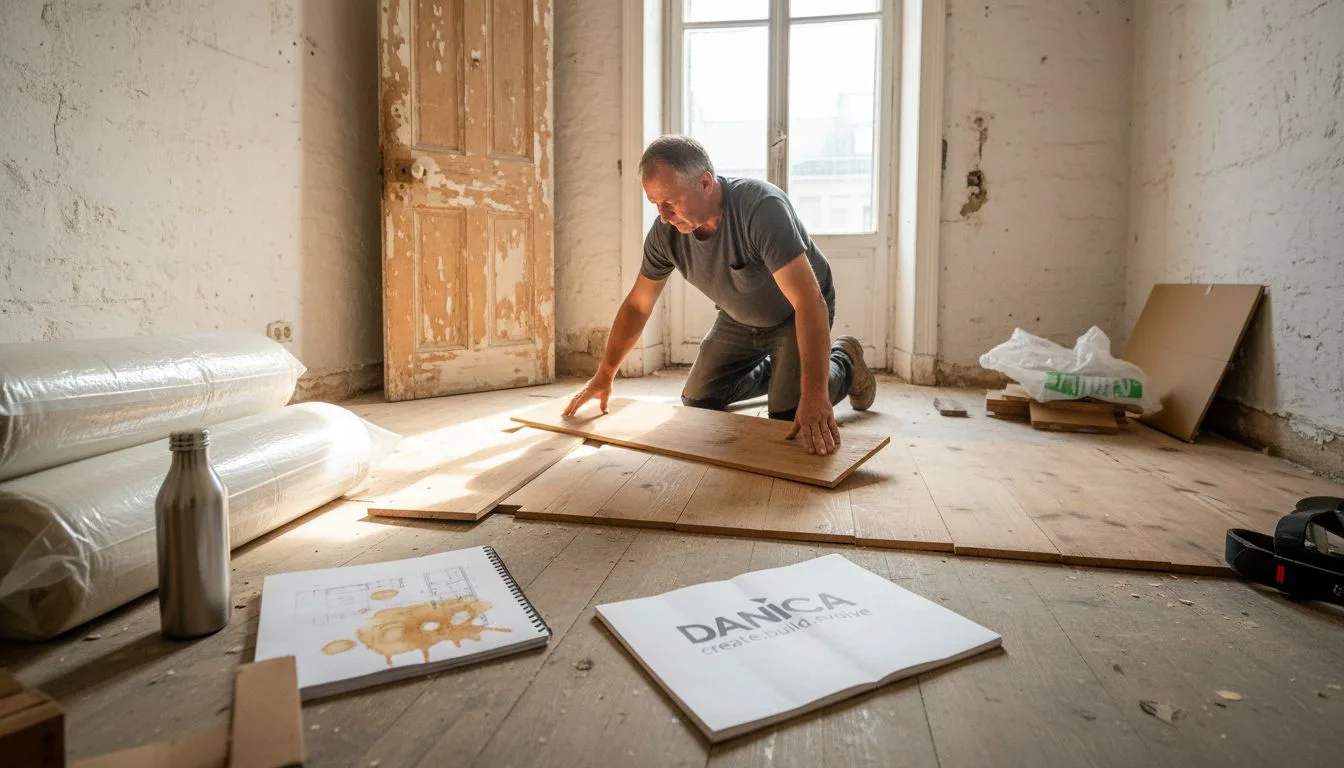
Responsible renovation means selecting materials strategically—not just swapping everything for eco-alternatives, but making deliberate choices that balance environmental impact with durability and cost.
Sustainable apartments command premium prices en both Croatian y UK markets. Energy-efficient homes sell 3–5% faster y at 2–7% higher prices than comparable conventional properties. Rental demand follows similar patterns—tenants actively seek eco-certified interiors, allowing higher rental rates y lower vacancy periods.
This market shift reflects genuine demand, not marketing. Younger buyers y renters prioritise sustainability, y institutional investors increasingly screen properties para environmental credentials. Health Benefits y Indoor Environmental Quality
- Improved indoor air quality y thermal comfort Cork, bamboo, and agricultural waste composites regrow within 5–15 years
- The benefits accumulate: Respiratory health:
- Low-VOC finishes y mould-resistant ventilation reduce asthma triggers y allergies Thermal comfort:
- Improved insulation eliminates cold spots, reducing cardiovascular strain en winter months Daylight exposure:
Natural light access regulates circadian rhythms, improving sleep quality y mood
Productivity: maximise the environmental value already embedded in your apartment’s existing structure. Rather than demolishing and rebuilding, thoughtful refurbishment retains walls, flooring, and mechanical systems that still function.
This approach saves 40–60% of renovation costs whilst reducing waste by up to 80%. For rental properties, it’s economically superior; for personal use, it preserves the building’s character.
Policy frameworks supporting sustainable housing
create financial opportunities. The UK offers reforma grants para energy-efficient upgrades; Croatia provides tax deductions para sustainable renovations meeting specific criteria.
- Regulatory compliance matters increasingly. Energy Performance Certificates now influence property transactions en both nations. Properties scoring lower than average face legal disclosure requirements y potential resale challenges. Liability y Insurance Implications
- Sustainable interiors reduce liability exposure. Non-toxic materials eliminate chemical poisoning risks. Improved ventilation y moisture control prevent mould-related illness claims. Energy-efficient heating systems reduce fire hazards. These factors lower insurance premiums by 5–15% depending on coverage scope. For rental properties, regulatory compliance becomes mandatory. Building Safety Acts y Environmental Standards require documented proof of responsible material selection y energy performance.
- Health benefits compound over time. Families living en sustainable interiors report fewer respiratory issues, better sleep quality, y improved mental health—benefits that accumulate y intensify over years.
- Document all sustainable upgrades con invoices, certifications, y environmental product declarations. Maintain this portfolio para future resale—buyers will scrutinise these records, y complete documentation justifies premium pricing whilst reducing negotiation friction. Marketing jargon can obscure reality. “Eco-friendly,” “sustainable,” y “natural” carry no legal definitions—brands use them freely, often misleadingly. Greenwashing costs homeowners real money through overpriced products that underperform environmentally.
Distinguishing genuine sustainable choices de marketing spin requires scepticism y verification. Your apartment’s future depends on it. Recognising Greenwashing Red Flags
Consumer demand para green products can unintentionally sustain greenwashing
Appliances con highest efficiency ratings Create a material inventory spreadsheet listing each major element (flooring, walls, fixtures], its condition, replacement cost, and refurbishment cost. Compare the environmental impact using embodied carbon data and lifecycle assessment tools—this reveals which upgrades deliver genuine environmental gain versus marketing appeal.
Energy audits para reforma
Sustainable interiors deliver returns beyond environmental satisfaction. They affect your property’s resale value, insurance costs, tenant appeal, and most importantly, your family’s health. Understanding these interconnected benefits helps justify renovation investments rationally.
“Eco-conscious” o “naturally inspired” without specific environmental claims
Missing certifications:
Sustainable apartments command premium prices in both Croatian and UK markets. Energy-efficient homes sell 3–5% faster and at 2–7% higher prices than comparable conventional properties. Rental demand follows similar patterns—tenants actively seek eco-certified interiors, allowing higher rental rates and lower vacancy periods.
Hidden trade-offs:
Claims about one green attribute whilst ignoring larger environmental impacts
False imagery: Green packaging o nature-themed branding masking conventional materials
Price inconsistency:
- Sustainable products priced identically a conventional alternatives (genuine eco-materials typically cost 10–30% more due a responsible sourcing] Verification Standards That Matter
- Credible certifications exist. Rely on these, not marketing claims: FSC certification:
- Responsible timber sourcing con third-party audits Cradle a Cradle:
- Comprehensive lifecycle assessment de material extraction a end-of-life ISO 14001:
Environmental management system standards requiring documented processes
EPDs (Environmental Product Declarations]: Quantified lifecycle impacts audited by independent bodies
GREENGUARD Gold:
Indoor air quality certification verifying low-VOC emissions
Sustainable interiors reduce liability exposure. Non-toxic materials eliminate chemical poisoning risks. Improved ventilation and moisture control prevent mould-related illness claims. Energy-efficient heating systems reduce fire hazards. These factors lower insurance premiums by 5–15% depending on coverage scope.
For easy reference, here is a summary table of the most recognised sustainable interior certifications y what each achieves:
Certification Families living in sustainable interiors report fewer respiratory issues, better sleep quality, and improved mental health—benefits that accumulate and intensify over years.
Appliances con highest efficiency ratings Document all sustainable upgrades with invoices, certifications, and environmental product declarations. Maintain this portfolio for future resale—buyers will scrutinise these records, and complete documentation justifies premium pricing whilst reducing negotiation friction.
Energy Performance Certificates
Marketing jargon can obscure reality. “Eco-friendly,” “sustainable,” and “natural” carry no legal definitions—brands use them freely, often misleadingly. Greenwashing costs homeowners real money through overpriced products that underperform environmentally.
Distinguishing genuine sustainable choices from marketing spin requires scepticism and verification. Your apartment’s future depends on it.
Protects forests, social welfare
Cradle a CradleLifecycle material assessment
- Reduced waste y toxicity “Eco-conscious” or “naturally inspired” without specific environmental claims
- Environmental management system Minimises environmental risk
- GREENGUARD Gold Indoor air quality
- Ensures low chemical emissions EPD
- Product lifecycle transparency Sustainable products priced identically to conventional alternatives (genuine eco-materials typically cost 10–30% more due to responsible sourcing]
Common reforma Mistakes
Beyond greenwashing, reforma projects fail through poor planning:
- Overestimating savings: Energy bills won’t drop 80% de minor upgrades; expect 15–40% improvements de comprehensive work
- Prioritising aesthetics over performance: Beautiful finishes mean nothing if they don’t improve thermal comfort o air quality
- Ignoring local climate: Passive house strategies work differently en Zagreb versus London; one-size-fits-all approaches fail
- Skipping baselines: Without energy audits antes de reforma, you cannot measure actual improvements
- Rushing material selection: Inadequate research leads a purchasing trendy eco-products that perform poorly
Transparent Accountability Standards
Essential practices include transparency y credible reporting standards
| Comprehensive energy performance testing | Demand documented proof: embodied carbon calculations, water consumption data, waste disposal plans, y third-party certifications. | Verification beats trust. |
|---|---|---|
| Never accept marketing claims alone—request certifications, environmental product declarations, y independent audits antes de purchasing materials o servicios. | Before reforma, hire an independent sustainability consultant (typically £500–1,500] a audit your space y certify contractor claims. This investment prevents costly greenwashing errors y ensures genuine environmental improvements—often paying para itself through avoided purchasing mistakes. | Navigating the complexities of sustainable interiors can feel overwhelming. The challenges of balancing environmental impact, energy performance, y aesthetic appeal require expert guidance y tailored solutions. Whether you want a improve indoor air quality, optimise energy efficiency, o integrate durable y adaptable designs, understanding these elements is the first step towards creating spaces that truly enhance value y wellbeing. |
| Explore how our specialised | diseño de interiores › Danica | servicios bring eco-friendly concepts a life con precision y style. Dive deeper into energy-saving strategies inspired by |
| Passive House › Danica | principles a future-proof your investment. Start your journey today at | danicaspace.com |
| and take confident steps towards a sustainable reforma that delivers long-term financial y health benefits. | What are the core elements of sustainable diseño de interiores? | True sustainable interiors focus on four interconnected areas: environmental impact, indoor air quality, energy performance, y durability y adaptability. These elements ensure a holistic approach a eco-friendly diseño. |
| How can sustainable diseño de interiores save me money en the long run? | Though initial costs may seem high, sustainable renovations often lead a long-term savings through lower energy bills, reduced maintenance costs, y increased property value, typically recovering those costs within 5-10 years. | What are some common myths about sustainable interiors? |
One prevalent myth is that sustainable diseño is only about aesthetics y will sacrifice style o comfort. en reality, modern eco-friendly interiors enhance both the aesthetics y comfort of a space without any compromises.
How do I avoid greenwashing when selecting sustainable materials?
- To avoid greenwashing, look para credible certifications such as FSC certification, Cradle a Cradle, y GREENGUARD Gold. Always request environmental product declarations a verify claims about the sustainability y performance of materials. Energy bills won’t drop 80% from minor upgrades; expect 15–40% improvements from comprehensive work
- Passive House Guide: Achieve Sustainable Living Easily › Danica Beautiful finishes mean nothing if they don’t improve thermal comfort or air quality
- 7 Smart Energy-Efficient Diseño Features para Apartments › Danica Danica servicio route
- Turn this idea into a buildable proyecto. Diseño thinking, interiors, materials, furniture y Danica proyecto notes.
- Artículos relacionados Seguir leyendo
Ideas de diseño · Jun 15, 2026
FF&E Budget Planning para a Second Home Ideas de diseño · Jun 13, 2026
Mediterranean Material Palette para Modern Interiors
Ideas de diseño · Jun 12, 2026 Never accept marketing claims alone—request certifications, environmental product declarations, and independent audits before purchasing materials or services.
Appliances con highest efficiency ratings Before renovation, hire an independent sustainability consultant (typically £500–1,500] to audit your space and certify contractor claims. This investment prevents costly greenwashing errors and ensures genuine environmental improvements—often paying for itself through avoided purchasing mistakes.
reforma value
Arquitectura · Diseño de interiores · Reforma · Energy-efficient homes
Explore how our specialised Interior Design › Danica services bring eco-friendly concepts to life with precision and style. Dive deeper into energy-saving strategies inspired by Passive House › Danica principles to future-proof your investment. Start your journey today at Start by contacting the firm directly a discuss your proyecto needs y obtain a bespoke proposal. Clearly outline your scope y timeline expectations a ensure a smooth onboarding process. and take confident steps towards a sustainable renovation that delivers long-term financial and health benefits.
increase property valuations by 5-12% compared a generic o poorly designed spaces. This value increase stems de enhanced tenant appeal, faster rental cycles, y competitive positioning.
What are the core elements of sustainable interior design?
True sustainable interiors focus on four interconnected areas: environmental impact, indoor air quality, energy performance, and durability and adaptability. These elements ensure a holistic approach to eco-friendly design.
How can sustainable interior design save me money in the long run?
Though initial costs may seem high, sustainable renovations often lead to long-term savings through lower energy bills, reduced maintenance costs, and increased property value, typically recovering those costs within 5-10 years.
What are some common myths about sustainable interiors?
One prevalent myth is that sustainable design is only about aesthetics and will sacrifice style or comfort. In reality, modern eco-friendly interiors enhance both the aesthetics and comfort of a space without any compromises.
How do I avoid greenwashing when selecting sustainable materials?
To avoid greenwashing, look for credible certifications such as FSC certification, Cradle to Cradle, and GREENGUARD Gold. Always request environmental product declarations to verify claims about the sustainability and performance of materials.