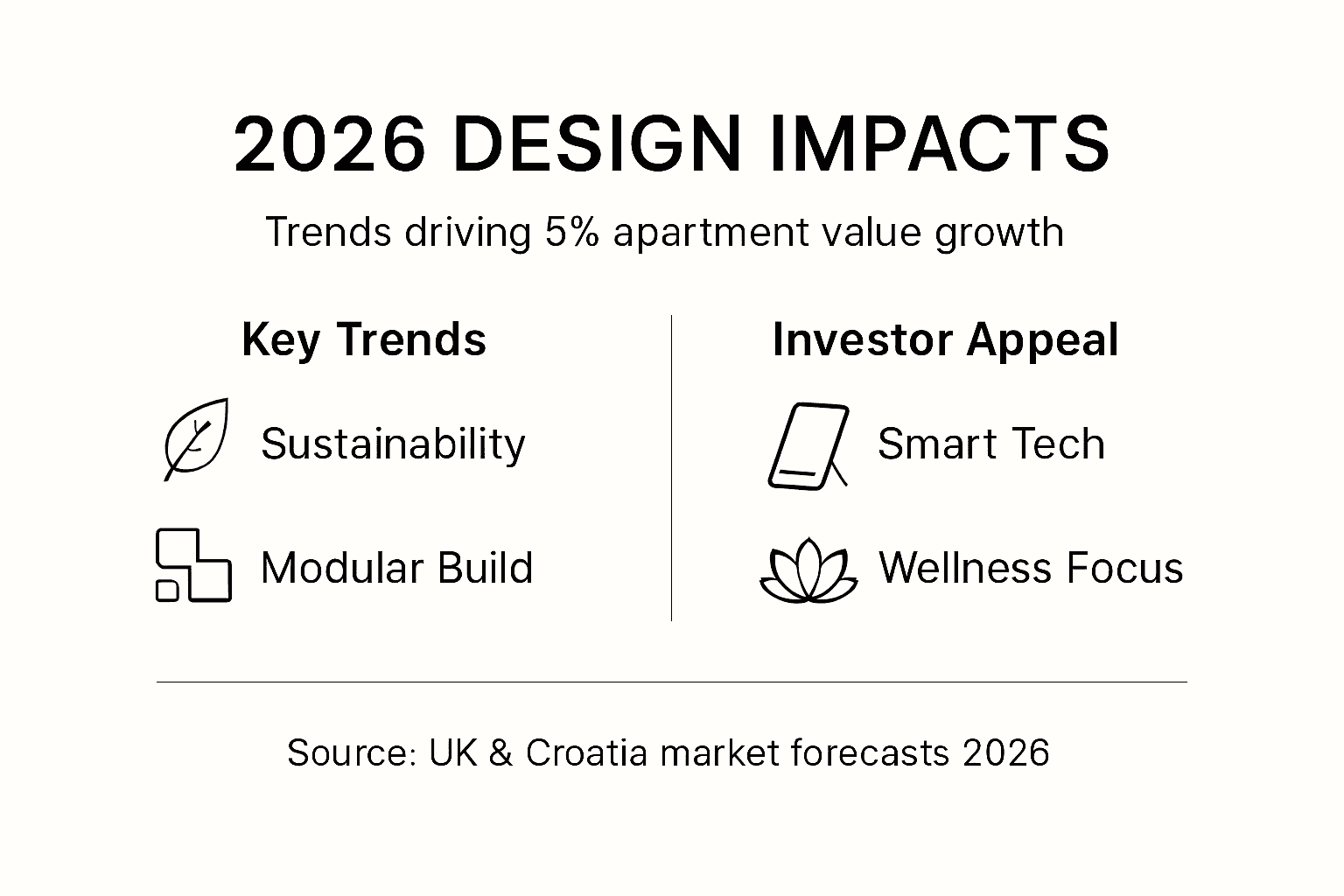
Sustainable renovations now command a premium pricing uplift of up to 5% over standard properties in both UK and Croatian markets. As developers and investors face escalating regulatory demands and evolving tenant expectations in 2026, understanding which design trends genuinely enhance asset value becomes critical. This analysis reveals how sustainability mandates, modular construction efficiencies, and smart technology integration directly impact renovation decisions and investment returns across UK and Croatian apartment markets, with practical insights on the role of space planning in renovations and modern apartment renovation insights.
Table of Contents
- Sustainability As A Driving Force In 2026 Design Trends
- Modular And Off-Site Construction Transforming Renovations
- Smart Technology And Tenant Demand In 2026
- Regional Market Forecasts And Renovation Impact: UK Vs Croatia
- Common Misconceptions About Design Trends’ Value In 2026
- Design Aesthetics And Quality Of Life Enhancements
- Market-Driven Demand For Renovated Apartments
- Transform Your Apartment Renovation With Danica’s Expert Design Services
- FAQs On The Role Of Design Trends In 2026 Apartment Renovations
Key Takeaways
| Point | Details |
|---|---|
| Sustainability Premium | Assets with high environmental performance command up to 5% premium in UK property valuations. |
| Modular Efficiency | Off-site construction accelerates renovation timelines by 30% and reduces labor costs by 15-20%. |
| Smart Tech ROI | Integrated technology reduces energy bills 10-15% while generating rental premiums of 5-8%. |
| Regional Regulations | UK EPC C ratings mandatory by 2026; Croatia prioritizes EU Green Deal alignment in coastal zones. |
| Value Drivers | Functionality and sustainability outperform purely aesthetic renovations in driving investment returns. |
Sustainability as a Driving Force in 2026 Design Trends
Sustainability has shifted from optional differentiator to baseline requirement in 2026. UK regulations now mandate EPC ratings of C or above, while Croatian coastal developments face EU-driven energy efficiency standards targeting tourism and residential sectors.
The financial incentives are substantial. Assets with high environmental performance command a premium pricing uplift of up to 5% over standard properties in UK markets. Croatian coastal regions show similar patterns, with rental yields growing 4% to 7% for apartments with sustainable design.
Key sustainable renovation features delivering measurable returns include:
- High-efficiency heat pumps replacing outdated heating systems
- Triple-glazed windows reducing heat loss by 40-50%
- Solar panel installations cutting energy costs 30-45%
- Water-efficient fixtures lowering utility bills 15-20%
- Recycled and low-VOC materials improving air quality
Pro Tip: Prioritize energy-efficient upgrades that qualify for UK’s Energy Company Obligation (ECO4) scheme or Croatian EU subsidy programs to offset upfront costs while maximizing long-term value.
Institutional investors increasingly filter portfolios based on environmental performance metrics. Properties meeting BREEAM Excellent standards in the UK or equivalent Croatian certifications attract premium capital flows, reducing financing costs by 0.25-0.75% compared to non-compliant assets. Explore eco-friendly apartment renovation tips for practical implementation strategies. For detailed regulatory frameworks, review 2026 UK sustainability mandates.
Modular and Off-Site Construction Transforming Renovations
Modular construction represents a paradigm shift in renovation economics. Off-site production accelerates project completion by around 30% compared to traditional methods, directly impacting cash flow and market timing for developers.
Cost advantages extend beyond speed. Modular techniques reduce labor costs by 15-20% compared to traditional on-site construction for apartment renovations. Factory-controlled environments eliminate weather delays, minimize material waste by 30-40%, and ensure consistent quality standards difficult to replicate on-site.
| Metric | Traditional Construction | Modular Construction | Difference |
|---|---|---|---|
| Timeline | 12-16 weeks | 8-11 weeks | 30% faster |
| Labor Cost | £45-60/sq ft | £38-48/sq ft | 15-20% lower |
| Material Waste | 15-20% | 5-8% | 60% reduction |
| Quality Variance | High | Low | Standardized |
Implementing modular methods effectively requires strategic planning:
- Conduct pre-fabrication site assessments to identify structural constraints
- Select modular components matching building codes in UK or Croatia
- Coordinate logistics for component delivery and crane access
- Schedule on-site assembly during off-peak periods to minimize disruption
- Integrate modular bathrooms and kitchens as high-impact starting points
Pro Tip: Focus modular applications on wet rooms (bathrooms, kitchens) where plumbing complexity and quality control deliver maximum time and cost savings, then expand to other areas as comfort with the method grows.
Croatian coastal renovations particularly benefit from modular approaches due to seasonal tourism constraints and labor shortages during peak periods. Understand modular construction ROI in Croatia to evaluate market-specific advantages. Detailed analysis available at modular construction benefits 2026.
Smart Technology and Tenant Demand in 2026
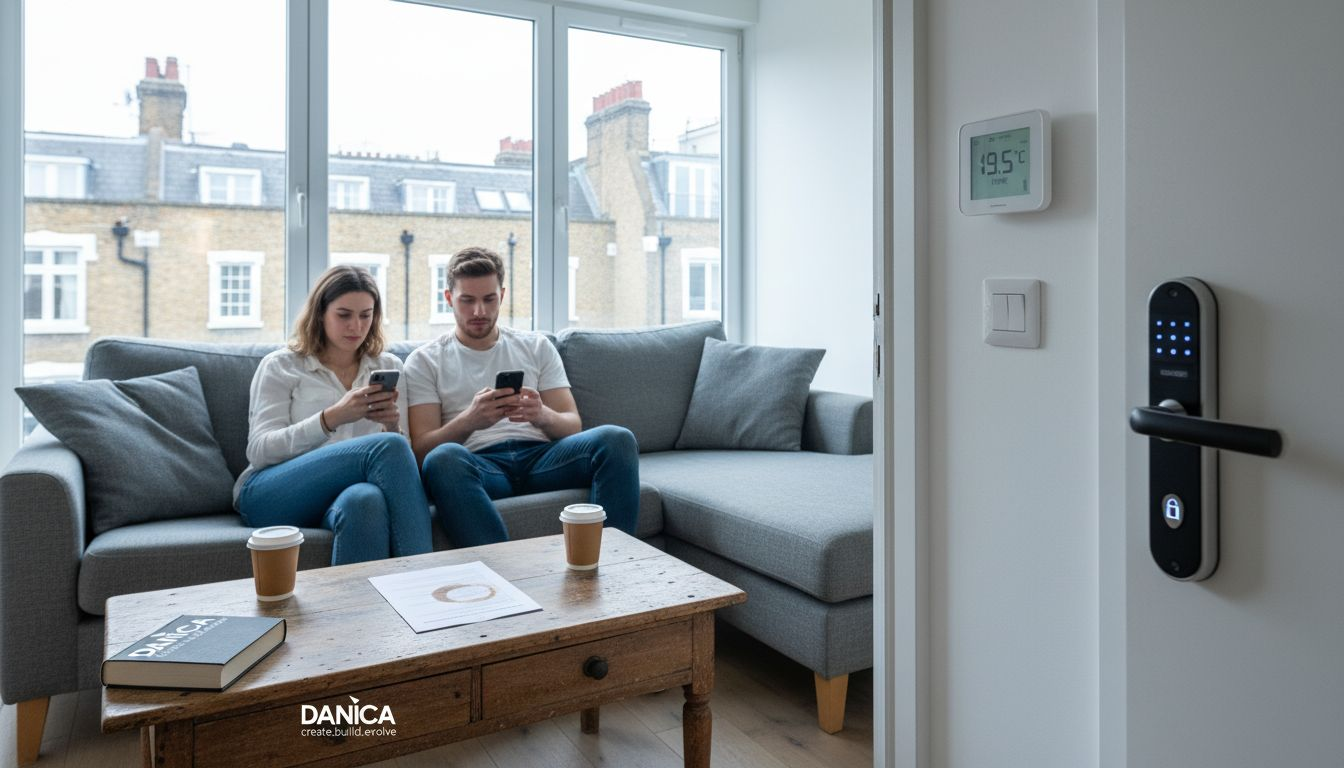
Smart home integration has evolved from luxury amenity to tenant expectation. Smart homes with integrated technology reduce energy bills by 10-15%, attracting tenants at rental premiums of 5-8% compared to non-equipped units.
Core technologies delivering immediate ROI include:
- Smart thermostats with learning algorithms reducing heating costs 15-25%
- Real-time energy monitoring dashboards promoting conservation behaviors
- LED lighting systems with automated scheduling cutting electricity use 40%
- Smart meters providing granular consumption data for cost optimization
- Integrated security systems reducing insurance premiums 5-10%
Regional adoption patterns vary significantly. UK urban markets show 65-70% tenant preference for smart-enabled apartments, particularly among professionals aged 28-45. Croatian coastal rentals see strongest demand for smart climate control and security features from international tenants seeking seasonal or remote work accommodations.
Common pitfalls undermine technology investments. Over-engineering with excessive features confuses tenants and increases maintenance costs. Proprietary systems lacking cross-compatibility create vendor lock-in and upgrade challenges. Poor network infrastructure limits functionality, frustrating users and generating support requests.
Pro Tip: Standardize on open-protocol systems (Zigbee, Z-Wave) that allow component flexibility and avoid vendor dependency, ensuring long-term adaptability as technology evolves.
Smart technology also differentiates properties in competitive rental markets. Features like remote access control, package delivery notifications, and app-based maintenance requests reduce management overhead by 20-30% while improving tenant satisfaction scores. Learn implementation strategies through smart technology in lettings. Research supporting data at smart technology rental premiums.
Regional Market Forecasts and Renovation Impact: UK vs Croatia
Market conditions and regulatory frameworks diverge significantly between UK and Croatian markets in 2026. UK residential regulations require EPC ratings of C or above, while Croatian coastal cities prioritize sustainable features aligned with EU Green Deal.
Croatian markets show robust growth trajectories. Annual price growth of 3-6% is expected in Croatian urban and coastal markets for properties with modern renovations. Split, Dubrovnik, and Zagreb lead appreciation, driven by tourism recovery and digital nomad demand.
| Factor | United Kingdom | Croatia | Investment Implication |
|---|---|---|---|
| Key Regulation | EPC C mandatory; BREEAM standards | EU Green Deal; coastal zone protections | UK: compliance costs 8-12%; Croatia: coastal premiums 15-20% |
| Price Growth 2026 | 2-4% (regional variation) | 3-6% (urban/coastal focus) | Croatia offers higher appreciation potential |
| Rental Demand | Build-to-Rent sector +15% annually | Tourism/remote work +25% | Both markets favor purpose-built rentals |
| Financing Climate | Rising rates stabilizing 4.5-5.5% | Competitive EU rates 3.8-4.8% | Croatia provides cost of capital advantage |
UK developers must prioritize EPC compliance to avoid rental restrictions and devaluation. Properties rated D or below face declining liquidity as buyer pools shrink. Retrofitting costs average £8,000-£15,000 per unit but generate 5-8% value appreciation upon completion.
Croatian renovations benefit from targeting international buyer and renter segments. English-language smart home interfaces, international electrical standards, and flexible furniture configurations appeal to remote workers and seasonal tourists driving coastal demand.
Key investment considerations by region:
- UK: Focus on energy efficiency upgrades meeting mandatory EPC C standards
- UK: Target Build-to-Rent developments in undersupplied regional cities
- Croatia: Prioritize coastal locations with tourism infrastructure and airport access
- Croatia: Incorporate flexible layouts appealing to remote work and seasonal rental models
- Both: Integrate smart technology and sustainable features as baseline expectations
Explore Croatia real estate forecast 2026 for detailed market analysis. Additional data available at Croatian market forecasts 2026.
Common Misconceptions About Design Trends’ Value in 2026
Market misperceptions lead developers to misallocate renovation budgets toward aesthetics lacking financial justification. Sustainability-focused renovations lead to up to 5% price premiums, whereas purely aesthetic trends without functional improvements do not significantly impact value.
Myth: Bold color schemes and maximalist design increase resale value. Reality: Personal aesthetic preferences vary widely, limiting buyer appeal. Neutral palettes with quality finishes maintain broader market acceptance and reduce time to sale by 15-25%.
Myth: Luxury finishes guarantee strong investment returns. Reality: Energy-efficient apartments with smart tech sustain up to 5% higher resale value growth over luxury-only renovated properties. Granite countertops and designer fixtures add subjective appeal but lack measurable ROI without accompanying functional improvements.
Corrections backed by 2026 market data:
- Sustainability and energy efficiency drive quantifiable value premiums of 4-7%
- Smart technology integration generates rental income increases of 5-8%
- Functional layouts optimizing space utilization outperform decorative renovations
- Compliance with regulatory standards (EPC, EU Green Deal) protects asset liquidity
- Modular construction methods deliver cost savings of 15-20% over traditional approaches
Practical examples illustrate the distinction. A London flat receiving new kitchen cabinets and paint (£12,000 investment) without energy upgrades generated 2% value appreciation. A comparable unit adding heat pump, smart thermostat, and improved insulation (£18,000 investment) achieved 6% appreciation, superior net return despite higher cost.
Pro Tip: Allocate 60-70% of renovation budgets to functional improvements (energy efficiency, smart tech, space optimization) and 30-40% to aesthetic finishes to maximize investment returns while maintaining market appeal.
Compare industrial design vs. aesthetic trends to understand functional design principles. Further analysis at misconceptions about renovations.
Design Aesthetics and Quality of Life Enhancements
Biophilic design and wellness-focused features enhance tenant satisfaction beyond functional utility. Properties featuring biophilic design elements achieve up to 8% higher engagement rates in tenant inquiries, translating to reduced vacancy periods and improved rental stability.
Biophilic design integrates natural elements into built environments. Living walls, abundant natural light, natural material palettes, and indoor plants reduce stress biomarkers by 12-15% according to environmental psychology research. Tenants report 20-25% higher satisfaction scores in apartments incorporating these features.
Wellness zones dedicated to specific activities improve space functionality and appeal. Designated home office areas with proper lighting and ergonomic layouts command 8-12% rental premiums in remote work markets. Meditation corners, yoga spaces, or reading nooks differentiate properties in competitive urban markets.
Balancing aesthetics with sustainability requires strategic material selection:
- Natural wood finishes from certified sustainable sources
- Low-VOC paints improving indoor air quality while offering color flexibility
- Recycled glass and ceramic tiles providing visual interest with environmental credentials
- Hemp and bamboo textiles for window treatments and upholstery
- Cork or reclaimed wood flooring combining warmth with renewable sourcing
Quality of life improvements translate directly to tenant retention. Properties with wellness features show 10-15% longer average tenancy durations, reducing turnover costs averaging £1,200-£2,500 per vacancy in UK markets. Croatian coastal rentals benefit similarly, with seasonal tenants returning annually to preferred properties.
Pro Tip: Install full-spectrum LED lighting mimicking natural daylight patterns to enhance circadian rhythms and mood, a low-cost upgrade generating disproportionate tenant satisfaction increases.
Discover biophilic and wellness design benefits for urban applications. Research supporting wellness impacts at biophilic design impacts.
Market-Driven Demand for Renovated Apartments
Build-to-Rent sector expansion drives renovation priorities in UK markets. UK Build-to-Rent sector demand has grown by over 15% annually since 2024, with renovations incorporating 2026 design trends yielding rental premiums of approximately 7%.
Flexible living configurations respond to evolving household structures. Single-person households represent 42% of UK rentals in 2026, requiring efficient studio and one-bedroom layouts. Multi-functional furniture, convertible spaces, and integrated storage solutions maximize utility in compact footprints.
Key demand drivers shaping renovation strategies:
- Remote work requirements necessitating dedicated office spaces in 65% of rentals
- Energy cost consciousness prioritizing efficiency features over square footage
- Smart home expectations as baseline rather than premium amenity
- Sustainability credentials influencing 58% of millennial and Gen Z renter decisions
- Wellness features differentiating properties in oversupplied urban submarkets
Rental premiums vary by renovation feature, informing strategic budget allocation:
| Renovation Feature | Average Rental Premium | Tenant Appeal Score | ROI Timeline |
|---|---|---|---|
| Smart home integration | 5-8% | 8.5/10 | 18-24 months |
| Energy efficiency (EPC A/B) | 6-9% | 9.0/10 | 24-30 months |
| Flexible workspace | 4-6% | 7.8/10 | 12-18 months |
| Biophilic design | 3-5% | 7.2/10 | 24-36 months |
| Modular construction quality | 2-4% | 6.5/10 | 30-42 months |
Investor focus has shifted toward energy-efficient smart homes for rental yield stability. Properties achieving EPC A or B ratings maintain 95-98% occupancy rates compared to 82-87% for lower-rated units. Void periods average 8-12 days for premium renovated units versus 28-35 days for standard stock.
Croatian markets show parallel trends adapted to tourism and remote work contexts. Seasonal rental properties with smart climate control and flexible furniture configurations achieve 85-90% annual occupancy rates compared to 60-70% for traditionally furnished units.
Learn space planning for build-to-rent optimization strategies. Market data available at build-to-rent growth 2026.
Transform Your Apartment Renovation with Danica’s Expert Design Services
Navigating 2026 design trends requires specialized expertise balancing regulatory compliance, market positioning, and investment returns. Danica delivers comprehensive renovation solutions integrating sustainability mandates, modular construction efficiencies, and smart technology implementations across UK and Croatian markets.
Our team translates market insights into actionable renovation strategies maximizing asset value and tenant appeal. We manage full project lifecycles from concept design through construction and furniture procurement, ensuring seamless execution aligned with your investment objectives. Explore our modern apartment renovation solutions or discover specialized Croatia apartment renovation turnkey services. Contact us for full interior design and furniture procurement tailored to 2026 market demands.
FAQs on the Role of Design Trends in 2026 Apartment Renovations
What key sustainability standards must UK and Croatian renovations meet in 2026?
UK properties require EPC ratings of C or above for rental compliance, with BREEAM standards increasingly expected by institutional investors. Croatian coastal developments must align with EU Green Deal energy efficiency targets, particularly in tourism zones where sustainability certifications enhance market positioning and financing access.
How can modular construction speed up my apartment renovation?
Modular construction accelerates renovation timelines by approximately 30% through off-site manufacturing eliminating weather delays and enabling parallel workflows. Factory-controlled quality reduces on-site labor requirements by 15-20% while minimizing material waste, though success depends on proper logistics planning and component compatibility with existing structures.
What smart technologies provide the best ROI in rentals?
Smart thermostats with learning capabilities deliver fastest payback, reducing energy costs 15-25% while generating rental premiums of 5-8%. Integrated security systems and energy monitoring dashboards rank second, lowering insurance costs and attracting quality tenants willing to pay 4-6% premiums for enhanced control and transparency.
Are aesthetics or functionality more important for investment value in 2026?
Functionality drives measurable investment returns, with energy-efficient and smart-enabled renovations generating 5-7% value premiums compared to 1-3% for purely aesthetic upgrades. However, aesthetic appeal remains essential for initial tenant attraction, requiring balanced allocation of 60-70% budget to functional improvements and 30-40% to visual finishes.
How do regional market forecasts affect renovation strategies in the UK vs Croatia?
UK strategies prioritize EPC compliance and Build-to-Rent configurations responding to 15% annual sector growth, while Croatian approaches target tourism and remote work demand driving 3-6% price appreciation in coastal zones. Regulatory environments, financing costs, and tenant demographics require distinct feature selections despite overlapping sustainability and technology trends.