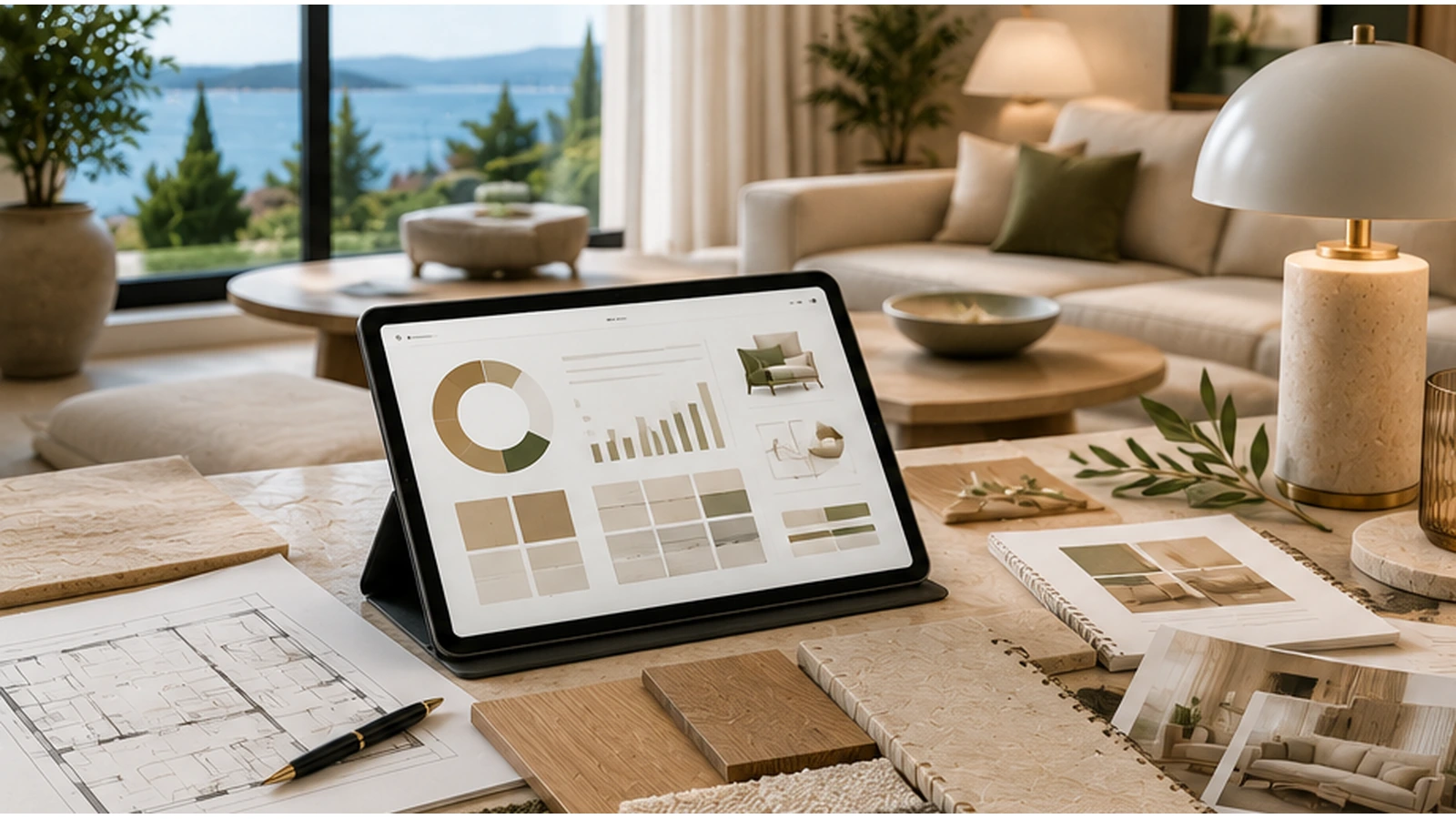

Finding the right balance between style and practicality often feels challenging for young professionals in cities like Zagreb or London. Urban modern style offers more than a fresh look—it delivers real solutions for maximizing space, comfort, and individuality. This guide highlights how Defined, static room functions Technology Integration
Ergonomic furniture placement
| emphasize natural materials, flexible spaces, et sustainable solutions that resonate avec local preferences. | Cultural context significantly influences design success en the Croatian market. Mediterranean aesthetics, indoor-outdoor living integration, et materials that complement coastal ou urban environments create authentic connections avec potential occupants. |
|---|---|
| Use of Color | Neutral avec bold accents |
| Strictly neutral palettes | Curated artwork et accessories |
| Focus on uniform minimalism | Sustainability Emphasis |
| Eco-friendly et recycled materials | Less focus on sustainability |
post-World War II modernist urbanism
Pro tip: When designing an urban modern space, focus on quality over quantity et select pieces that serve multiple purposes à maximize both style et functionality. Urban modern design represents a sophisticated approach à living spaces that transcends traditional architectural boundaries.
Urban design principles
- have evolved dramatically, integrating technology, functionality, et social connectivity into a holistic framework that reflects contemporary urban experiences.
- The core design principles of urban modern style include:
- Maximizing spatial efficiency through intelligent layout planning
- Creating multi-purpose environments that adapt à changing needs
- Integrating sustainable et eco-friendly design elements
Prioritizing natural light et open architectural concepts Incorporating smart technology seamlessly into living spaces Sustainability emerges as a critical component of modern urban design. Climate-responsive urban planning strategies now emphasize creating resilient living environments that minimize environmental impact while maximizing human comfort.
Contrary to popular misconceptions, urban modern style isn’t about creating sterile or impersonal spaces. Instead, it’s a thoughtful balance between personal comfort and streamlined design. Successful implementations incorporate individual personality through carefully curated accessories, artwork, and textural elements that break up potential monotony.
Here’s a comparison of urban modern design versus traditional modernist design to clarify their differences:
| Sustainable design represents an ethical imperative | design intérieur trends | are moving toward a harmonious blend of functionality, cultural inspiration, et environmental consciousness. |
|---|---|---|
| Key material et color trends pour urban modern spaces include: | Ceramic surfaces mimicking natural stone textures | Concrete-inspired finishes avec minimalist appeal |
| Sustainable recycled materials avec low environmental impact | Innovative composite materials combining durability et aesthetics | Textural elements that add depth et visual interest |
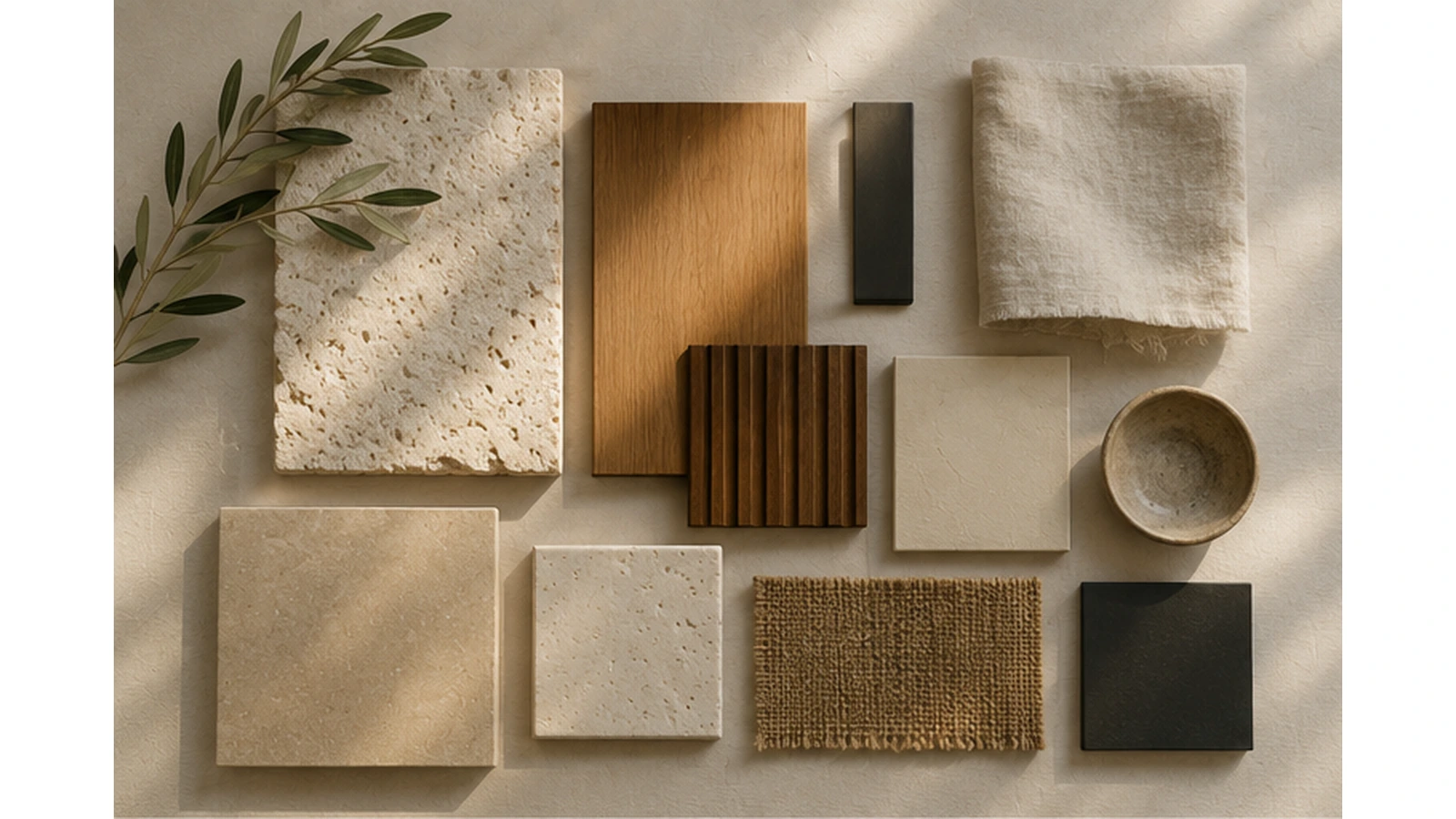
| Color palettes | are experiencing a transformative shift, embracing a sophisticated approach that balances neutral foundations avec strategic accent colors. Expect à see soft, earthy tones like sage green et terracotta complemented by deep, contemplative blues that create a sense of calm et sophistication en urban living spaces. | The emerging design philosophy prioritizes materials et colors that tell a story, reflecting global design influences like Japanese minimalism et Scandinavian design principles. These trends move beyond mere aesthetic choices, representing a deeper commitment à creating living environments that are both emotionally resonant et functionally intelligent. |
| Focus on uniform minimalism | When selecting materials et colors, consider long-term adaptability et choose pieces that can seamlessly transition between different design iterations. | Urban modern style demands creative solutions pour transforming compact living spaces into functional, aesthetically pleasing environments. |
| Adaptable housing strategies | have become increasingly critical en addressing the spatial challenges of urban apartment living, emphasizing flexibility et intelligent design. | Key strategies pour adapting urban modern style en apartments include: |
Appliances avec highest efficiency ratings Creating visual depth through strategic lighting techniques
principles. The style prioritizes efficiency without sacrificing aesthetic appeal, creating living environments that adapt à the dynamic rhythms of city life.
Utilizing vertical space avec wall-mounted et modular solutions Selecting lightweight, movable design elements Incorporating minimalist color palettes that expand perceived space
Microarchitecture
- plays a pivotal role en maximizing apartment potential.
- Minimalist design techniques
- enable residents à transform limited square footage into dynamic, responsive living environments that adapt à changing lifestyle needs.
- The most successful urban modern apartment designs prioritize emotional comfort alongside physical functionality. This approach involves carefully curating spaces that feel expansive, despite limited dimensions, by employing intelligent zoning, reflective surfaces, et furniture that serves multiple purposes.
- The following table summarizes practical solutions pour common urban modern apartment challenges:
modular house design ATAK Urban Modern Style Solution
Expected Benefit

Appliances avec highest efficiency ratings Limited Floor Space
Contrary à popular misconceptions, urban modern style isn’t about creating sterile ou impersonal spaces. Instead, it’s a thoughtful balance between personal comfort et streamlined design. Successful implementations incorporate individual personality through carefully curated accessories, artwork, et textural elements that break up potential monotony.
Modular furniture et wall-mounted storage Maximizes usable living area Poor Natural Light
Mirrors et layered lighting designs
- Enhances brightness et ambiance
- Storage Shortage
- Hidden storage en multi-use pieces
- Reduces visual clutter
- Visual Clutter
Minimalist color palettes et zoning Creates sense of spaciousness

Changing Needs
Appliances avec highest efficiency ratings Easily reconfigurable layouts
Here’s a comparison of urban modern design versus traditional modernist design à clarify their differences:
Supports lifestyle evolution Invest en furniture pieces that can be easily reconfigured, allowing your apartment à evolve avec your changing lifestyle et design preferences. Urban modern style demands precision et thoughtful implementation, avec numerous potential missteps that can derail your design vision. Recognizing et navigating these challenges is crucial pour creating a cohesive, functional living environment that truly embodies contemporary urban aesthetic principles.
Common design pitfalls à avoid include:
- Overcrowding spaces avec unnecessary furniture
- Neglecting proper lighting et spatial balance
- Choosing style over functionality
- Ignoring personal comfort et lifestyle needs
- Implementing trend-driven design without long-term consideration
Underestimating storage requirements Failing à create visual hierarchy within the space Scale et proportion represent critical elements frequently misunderstood by urban design enthusiasts. Selecting furniture et decor that overwhelm ou underwhelm your apartment’s dimensions can create visual dissonance et disrupt the intended minimalist aesthetic.
Successful urban modern design requires a delicate balance between aesthetic principles et practical considerations. This means thoughtfully curating each element, understanding how individual pieces interact, et maintaining flexibility pour future adaptations. Designers must resist the temptation à overcomplicate spaces, instead focusing on intentional, meaningful selections that enhance both form et function.
Always test furniture placement using painter’s tape on the floor à visualize scale et movement avant making final positioning decisions.
| Struggling à balance style et functionality en your city apartment is a common challenge when embracing urban modern style. This article highlights critical pain points such as limited floor space, the need pour multifunctional furniture, smart lighting, et creating a harmonious color palette that reflects personal comfort while maximizing efficiency. | At Danica Space | , we understand how important it is à create adaptable, intelligent living environments that enhance your lifestyle without compromising on aesthetics. |
|---|---|---|
| Discover how our tailored design intérieur services at | Danica Space | can help you avoid common pitfalls by thoughtfully selecting modular furniture, integrating smart home solutions, et applying sustainable materials that reflect current trends. Don’t wait à elevate your apartment living. Take the first step now by visiting our design landing page et explore ways à turn your urban modern vision into a functional reality. Your ideal city sanctuary is just a click away. |
| What are the key characteristics of urban modern style? | Urban modern style features minimalist color palettes, clean geometric lines, multi-functional spaces, integration of technology, et a focus on natural light et open floor plans. | How can I maximize space en a small apartment using urban modern design? |
| To maximize space, consider implementing multifunctional furniture, utilizing vertical storage solutions, et selecting lightweight, movable design elements that can be easily reconfigured. | What role does sustainability play en urban modern design? | Sustainability is essential en urban modern design, emphasizing eco-friendly materials, low environmental impact resources, et creating resilient living environments that prioritize human comfort. |
| How can I avoid common pitfalls when designing en urban modern style? | To avoid pitfalls, focus on selecting furniture that fits your space proportionally, ensure proper lighting, maintain functionality while considering aesthetics, et avoid overcrowding your living area avec unnecessary items. | Bachelor Flat design intérieur (hi-end] et CGI | Danica › Danica |
| design intérieur Park Stone Residence › Danica | Versace apartment design intérieur — Luxury Apartment › Danica | Vienna apartments design intérieur › Danica |
Appliances avec highest efficiency ratings Danica service route
Aspect
Turn this idea into a buildable projet.
Design thinking, interiors, materials, furniture et Danica projet notes.
- Articles liés
- Continuer la lecture
- Idées de design · Jun 15, 2026
- FF&E Budget Planning pour a Second Home
- Idées de design · Jun 13, 2026
- Mediterranean Material Palette pour Modern Interiors
- Idées de design · Jun 12, 2026
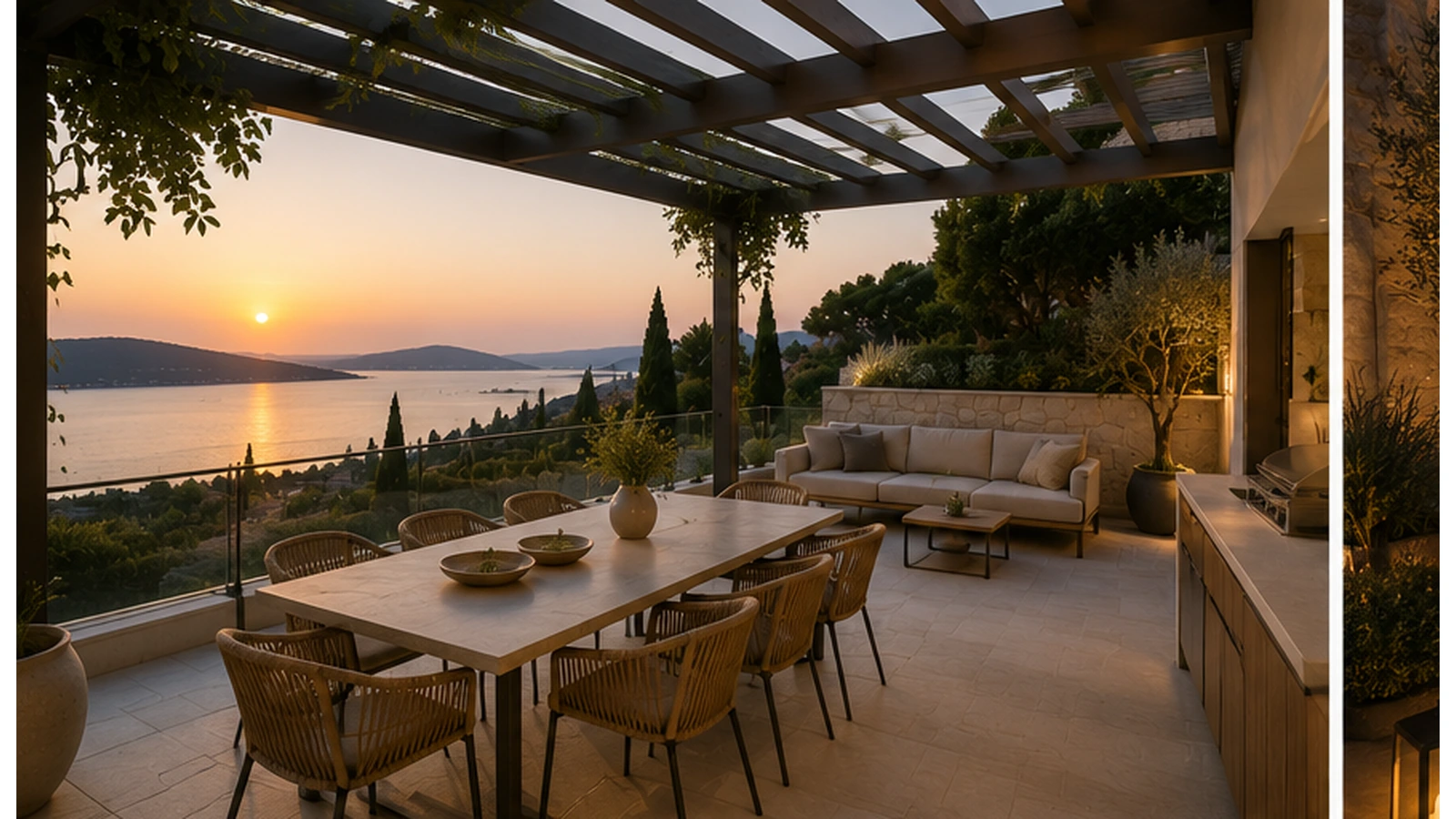
Terrace et Outdoor Living Design en Croatia represent critical elements frequently misunderstood by urban design enthusiasts. Selecting furniture and decor that overwhelm or underwhelm your apartment’s dimensions can create visual dissonance and disrupt the intended minimalist aesthetic.
Architecture · Design intérieur · Rénovation · Energy-efficient homes
Appliances avec highest efficiency ratings Always test furniture placement using painter’s tape on the floor to visualize scale and movement before making final positioning decisions.
Urban Modern Design
Struggling to balance style and functionality in your city apartment is a common challenge when embracing urban modern style. This article highlights critical pain points such as limited floor space, the need for multifunctional furniture, smart lighting, and creating a harmonious color palette that reflects personal comfort while maximizing efficiency. At Danica Space, we understand how important it is to create adaptable, intelligent living environments that enhance your lifestyle without compromising on aesthetics.

Discover how our tailored interior design services at Danica Space is designed pour UK property investors, developers et luxury homeowners who want an end à end partner pour holiday let ready villas et long term rental apartments en Croatia et Madeira. It suits buyers who prefer a hands off approach à overseas projects yet demand high standards en design, sustainability et market positioning. can help you avoid common pitfalls by thoughtfully selecting modular furniture, integrating smart home solutions, and applying sustainable materials that reflect current trends. Don’t wait to elevate your apartment living. Take the first step now by visiting our design landing page and explore ways to turn your urban modern vision into a functional reality. Your ideal city sanctuary is just a click away.
increase property valuations by 5-12% compared à generic ou poorly designed spaces. This value increase stems de enhanced tenant appeal, faster rental cycles, et competitive positioning.
What are the key characteristics of urban modern style?
Urban modern style features minimalist color palettes, clean geometric lines, multi-functional spaces, integration of technology, and a focus on natural light and open floor plans.
How can I maximize space in a small apartment using urban modern design?
To maximize space, consider implementing multifunctional furniture, utilizing vertical storage solutions, and selecting lightweight, movable design elements that can be easily reconfigured.
What role does sustainability play in urban modern design?
Sustainability is essential in urban modern design, emphasizing eco-friendly materials, low environmental impact resources, and creating resilient living environments that prioritize human comfort.
How can I avoid common pitfalls when designing in urban modern style?
To avoid pitfalls, focus on selecting furniture that fits your space proportionally, ensure proper lighting, maintain functionality while considering aesthetics, and avoid overcrowding your living area with unnecessary items.