
Answer-first
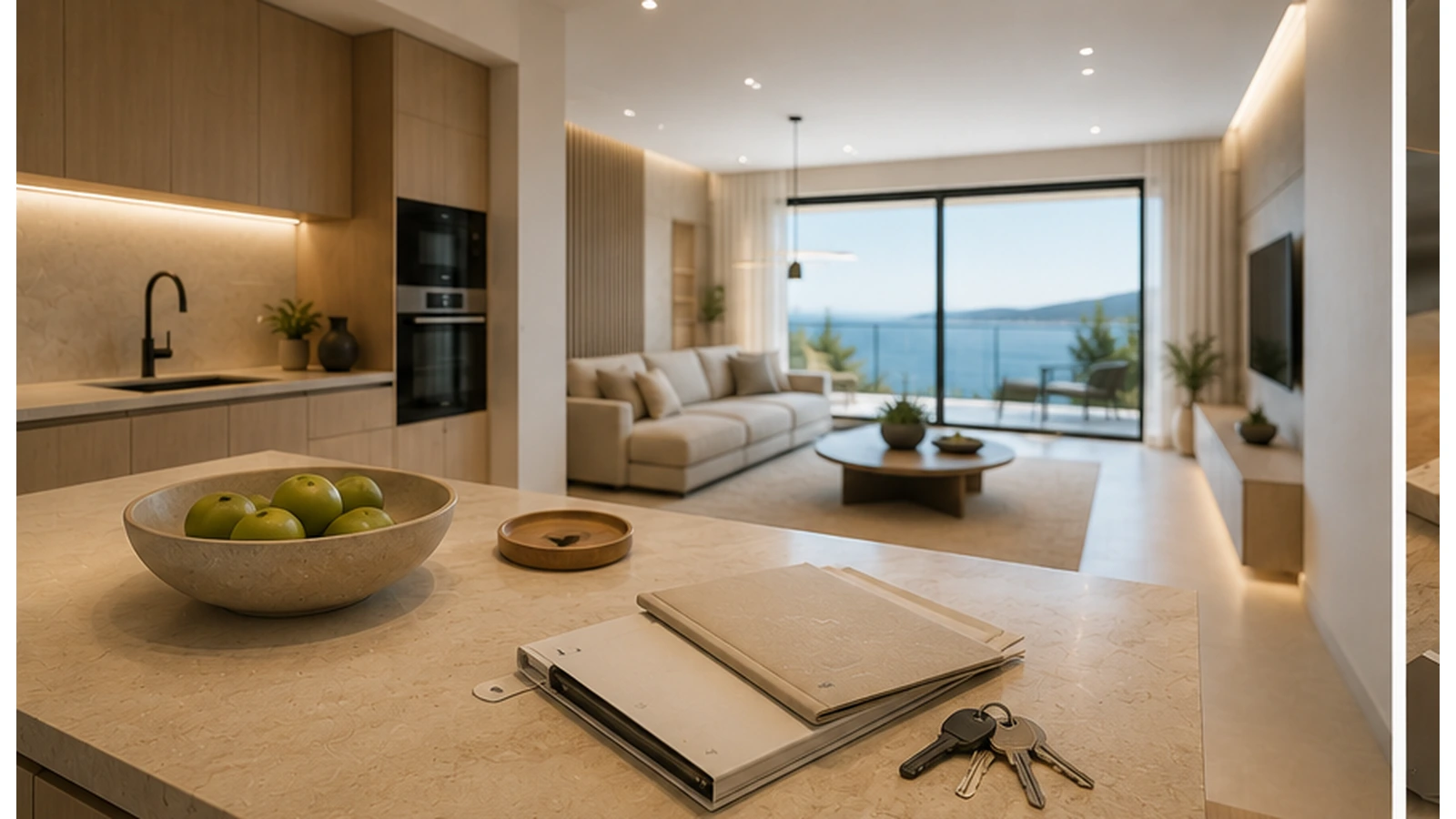
CGI before renovation helps owners see the future space before work begins. It can prevent expensive site changes by testing materials, lighting, furniture scale, kitchen composition, bathroom atmosphere and overall mood while decisions are still digital. Visualization is most valuable when it is connected to drawings, procurement and contractor-ready scope.
CGI is not only a marketing image
Photorealistic visualization is often treated as a final presentation tool. It is used to impress a client, sell a property or show a finished design.
For renovation, CGI can do something more important. It can help prevent mistakes.
Renovation is full of decisions that are hard to imagine from drawings alone: how dark a material will feel, whether the sofa is too large, whether the kitchen looks balanced, whether the lighting mood is right, whether the bathroom feels premium or cramped and whether the apartment feels coherent.
When these questions are answered on site, they become expensive. When they are answered in CGI, they are still flexible.
Danica service route
Use CGI as a decision tool before renovation: test materials, lighting, kitchen, bathroom and FF&E choices before they become site changes.
Why renovation decisions are expensive on site
A site change can affect labor cost, material waste, delivery schedule, contractor sequence, electrical points, plumbing, joinery, tiles, furniture, lighting and finishing quality.
Changing a bathroom niche after waterproofing and tiling has started is very different from changing it during design. Moving pendant lighting after the ceiling is closed is different from adjusting it in a 3D scene.
CGI helps move emotional decisions earlier. This is why it belongs close to the renovation scope checklist, not only at the end of the design process.
Materials should be tested before ordering
Material samples are important, but they are usually small. CGI helps show how materials behave together in the whole space.
It can test wood tone, stone or tile pattern, wall paint, microcement, kitchen fronts, metal finishes, upholstery, curtains, rug color and lighting temperature.
The goal is not to make a perfect digital copy of every material. The goal is to check whether the combination works before money is spent.
Lighting must be seen, not only listed
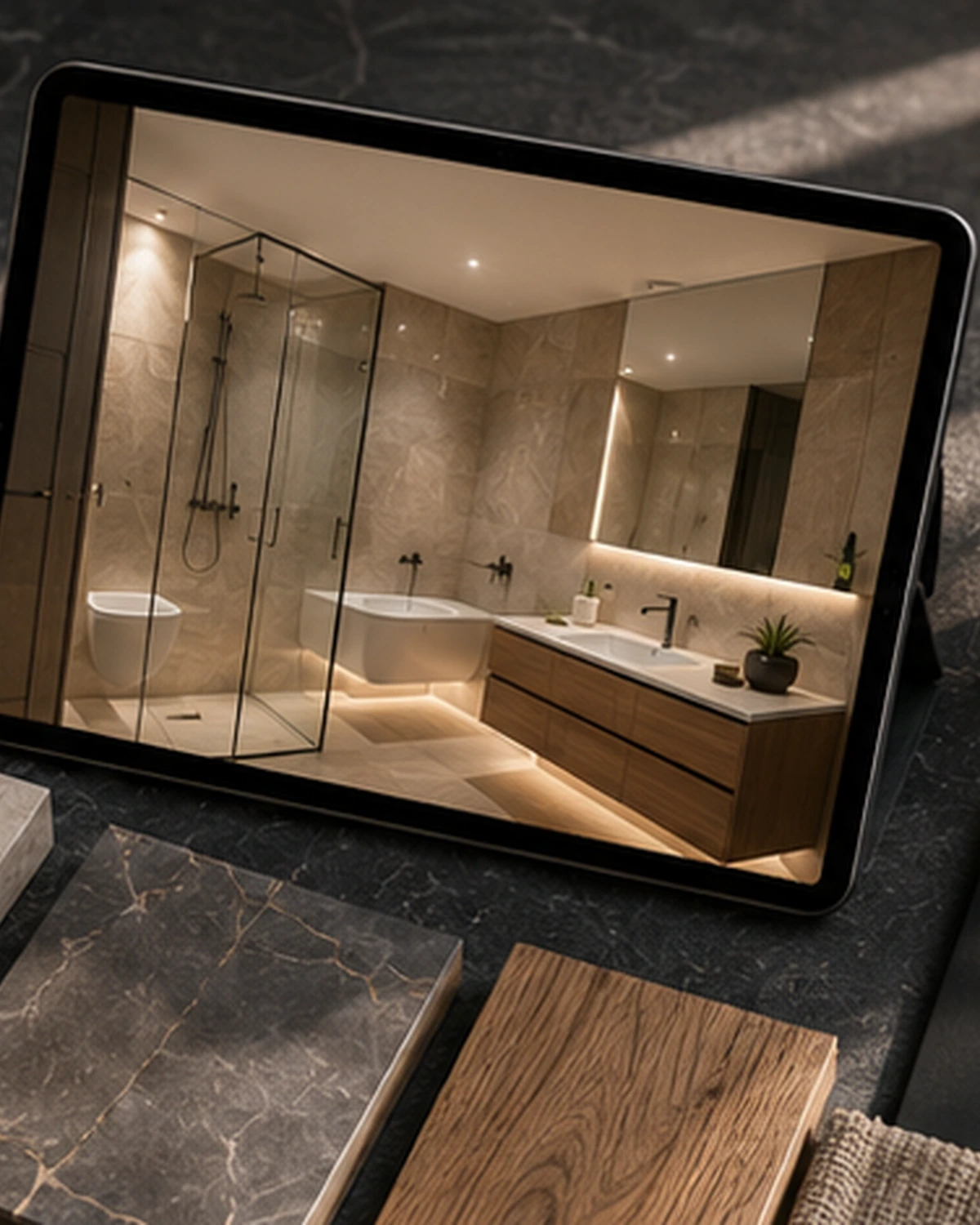
Lighting plans can be technical, but lighting is also emotional. CGI can show general atmosphere, evening mood, kitchen lighting, bathroom mirror lighting, hidden LED strips, wall washing, reading corners, terrace lighting, shadows and contrast.
This is important because many renovated apartments look good in daylight but weak in the evening. A property should work in both conditions.
Furniture scale affects layout
Furniture that looks fine on a plan may feel too large in perspective. CGI helps test sofa size, dining table size, bed position, wardrobe mass, coffee table clearance, circulation, terrace furniture and TV wall composition.
For rental-ready and resale properties, furniture scale strongly affects perceived space. Oversized furniture can make an apartment feel smaller than it is. For buyer perception, see interior design property value.
Kitchens and bathrooms benefit most from CGI
Kitchens and bathrooms are decision-heavy spaces. CGI can help test cabinet color, worktop material, backsplash height, appliance integration, handle or handleless logic, tile layout, mirror size, shower glass, black or chrome mixers, warm or neutral lighting and storage balance.
These rooms are also expensive to change. That makes visualization valuable. For resale projects, pair visualization with the priorities in renovation before resale.
CGI helps remote owners approve decisions
For foreign owners, CGI reduces distance. Instead of trying to imagine the design from drawings, the owner can approve a clear visual direction before procurement and site work.
This helps with faster approvals, fewer misunderstandings, clearer contractor communication, better procurement choices, confidence before spending and stronger emotional alignment.
The limit of visualization
CGI is powerful, but it is not a substitute for technical work. A beautiful render does not guarantee correct dimensions, waterproofing, structural safety, electrical compliance, procurement availability, contractor quality, budget control or site coordination.
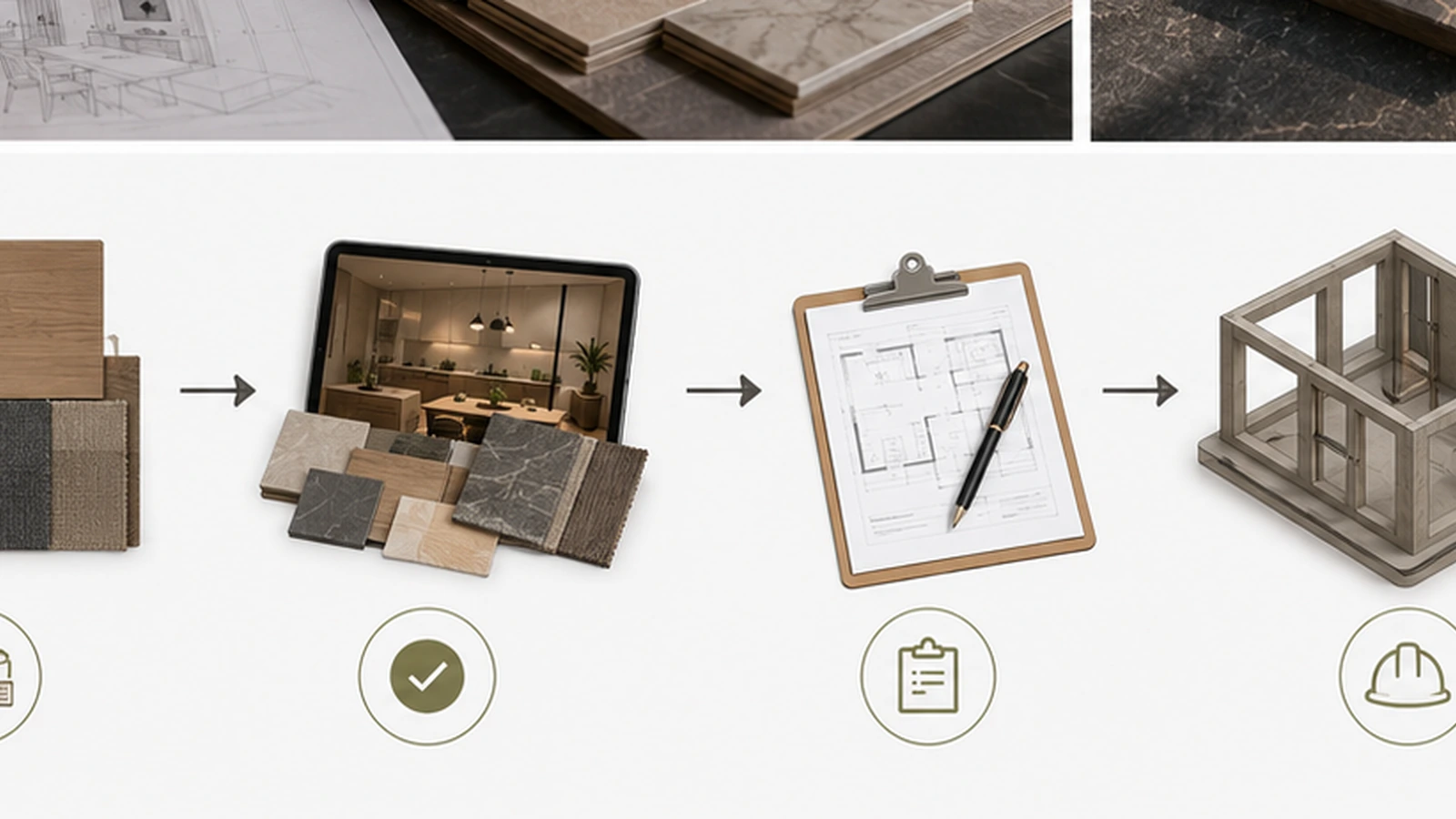
Visualization must be connected to drawings, material schedules, FF&E lists and site management. The weakest use of CGI is creating an image that cannot be built within budget or technical constraints.
How to connect CGI to construction
To make CGI useful for renovation, connect it to measured plans, layout drawings, lighting plan, electrical plan, material schedule, furniture list, kitchen drawings, bathroom elevations, procurement list and contractor scope.
Every visual decision should become a buildable instruction. This is where construction management and owner-side site control protect the value of the approved design.
| CGI decision | Buildable output |
|---|---|
| Material palette | Material schedule, supplier notes and finish references |
| Lighting mood | Lighting plan, switching logic and fixture list |
| Kitchen composition | Kitchen elevations, appliance list and joinery dimensions |
| Bathroom atmosphere | Tile layout, mixer finish, mirror and lighting positions |
| Furniture scale | FF&E list, dimensions and procurement route |
Need to approve design before site work? Use CGI to lock materials, lighting and FF&E before contractors price or build.
Send Project BriefDanica Space role
Danica Space uses photorealistic visualization as a decision-making tool for renovation, interiors, FF&E, property value and investor presentation. The studio connects CGI with design, procurement and contractor-ready scope so the image supports real execution.
For remote owners and renovation clients in Croatia, CGI can reduce uncertainty before the site becomes expensive.
Want CGI tied to real renovation scope? Danica Space can connect visual approval with drawings, procurement and site control.
Contact Danica SpaceFAQ
Is CGI necessary for every renovation?
No. Small cosmetic renovations may not need it. CGI is most useful when materials, lighting, furniture, kitchen, bathroom or resale presentation are important.
Can CGI replace technical drawings?
No. CGI shows the design intent. Technical drawings and schedules make it buildable.
Does CGI help sell or rent the property?
It can help before completion, especially for investor presentation, pre-sale, rental concept or decision-making, but the final property still needs real photography after handover.