
Every property investor knows the challenge of making a flat truly stand out in the competitive UK or Croatian markets. Personalised interiors are more than choosing a popular paint shade—they involve your active role in shaping a space to fit real lives and ambitions. Modern research confirms that False. Real personalisation involves structural et functional choices. It’s your layout, storage solutions, lighting design, et material selections—not merely hanging pictures.Myth 2: Personalised spaces won’t appeal à buyers
Ergonomic furniture placement
| emphasize natural materials, flexible spaces, et sustainable solutions that resonate avec local preferences. | Cultural context significantly influences design success en the Croatian market. Mediterranean aesthetics, indoor-outdoor living integration, et materials that complement coastal ou urban environments create authentic connections avec potential occupants. |
|---|---|
| Not at all. Personalisation works on any budget. Strategic furniture choices, clever storage, lighting adjustments, et paint colour changes deliver significant impact without premium costs. | Myth 4: Personalisation means overdoing it |
| Moderation matters. Effective personalisation creates cohesion, not chaos. Your design should feel intentional et balanced—qualities that increase property appeal, not reduce it. | Consider how |
| welcoming, personalised interiors improve rental appeal | by balancing personal style avec broad market appeal. |
| Myth 5: Personalisation is permanent | Flexible design is a core component of modern personalisation. Your space should adapt as your needs change—whether that’s accommodating children, creating a home office, ou preparing pour sale. |
Your practical requirements (home office, gym, relaxation zones]
Personalisation isn’t about imposing your personality onto a space; it’s about designing spaces that work pour how you actually live.
Pro tip: personalisation involves inhabitants’ active participation in reshaping their homes to match who they are and how they actually live. This isn’t superficial decoration—it’s a strategic investment in both your comfort and your property’s market appeal.
These aren’t mutually exclusive—many successful projects combine all three à maximise impact et market appeal.
Here is a quick comparison of bespoke, modular, et CGI design intérieur strategies: Approach Ideal For
Upfront Cost
- Flexibility et Adaptation
- Bespoke Design
- Unique layouts, premium finishes
- Highest
Custom but harder à alter later shows that this approach extends far beyond aesthetics—it directly affects how satisfied you feel living there.
Small spaces, changing needs Moderate à low, you’re integrating technology, flexibility, and spatial evaluation to boost both comfort and satisfaction with your home.
CGI Visualisation
Planning et decision-making
False. Real personalisation involves structural and functional choices. It’s your layout, storage solutions, lighting design, and material selections—not merely hanging pictures.
Myth 2: Personalised spaces won’t appeal to buyers
Bespoke design pour unique spaces
Bespoke design
means creating custom solutions tailored specifically à your property’s dimensions, layout, et your lifestyle requirements. This approach works brilliantly when you have an unusual space ou specific functional demands.
Bespoke advantages include:
Moderation matters. Effective personalisation creates cohesion, not chaos. Your design should feel intentional and balanced—qualities that increase property appeal, not reduce it.
Solutions designed around your exact daily routines Maximum quality et craftsmanship control Unique features that differentiate your property en the market
Bespoke design typically costs more than off-the-shelf solutions, but the investment justifies itself through superior functionality et distinctiveness. Your property stands out à investors et tenants alike.
Flexible design is a core component of modern personalisation. Your space should adapt as your needs change—whether that’s accommodating children, creating a home office, or preparing for sale.
Personalisation isn’t about imposing your personality onto a space; it’s about designing spaces that work for how you actually live.
Appliances avec highest efficiency ratings Start by auditing your daily routines—where you work, exercise, relax, and entertain—then design around those activities rather than traditional room definitions.
Your long-term vision pour the property
adapts à diverse user needs et optimises space usage through reconfigurable grid systems. This flexibility appeals strongly à modern buyers et renters.
These aren’t mutually exclusive—many successful projects combine all three to maximise impact and market appeal.
Lower upfront costs than full bespoke solutions
| that combine cutting-edge visualisation technology avec sustainable design principles. | Scalable—add components later without redesigning | Demonstrates future-proof thinking à potential buyers | Works avec tight budgets et small spaces |
|---|---|---|---|
| Modular house design services | offer structured approaches à maximising versatility whilst maintaining aesthetic cohesion. | CGI visualisation pour confident decisions | Computer-generated imagery (CGI] |
| lets you visualise designs avant spending money. You see exactly how colours, layouts, et furnishings work together en your actual space. | CGI visualisation removes guesswork. You can: | Test multiple design schemes instantly | Show investors ou tenants precisely what they’re getting |
| Identify spatial problems avant construction begins | Make confident purchasing decisions | Demonstrate design quality en property listings | Examples like |
hi-end bachelor flat design avec CGI
show how visualisation transforms small spaces into compelling, market-ready properties. means creating custom solutions tailored specifically to your property’s dimensions, layout, and your lifestyle requirements. This approach works brilliantly when you have an unusual space or specific functional demands.
Combining all three approaches gives you maximum flexibility. Use CGI à explore options, choose modular ou bespoke based on your budget et needs, then implement avec certainty.
- Request CGI visualisations of your top 2-3 design directions avant committing à bespoke components—this modest investment prevents costly mistakes et builds stakeholder confidence.
- Design isn’t decorative—it’s financial. Every colour choice, spatial decision, et material selection directly affects what buyers et tenants will pay pour your property.
- This isn’t opinion. Academic research confirms that
- specific design interventions measurably increase property valuations
beyond traditional factors like location et size.
The science behind design value
Architectural features significantly affect building transaction prices use standardised components that reconfigure based on changing needs. They balance affordability with customisation—the sweet spot for most property investors.
Design creates value through: Improved functionality et space utilisation
Enhanced aesthetic appeal et perceived quality
- Better light, ventilation, et spatial flow
- Modern finishes that reduce future rénovation costs
- Scalable—add components later without redesigning
- The key insight: design isn’t subjective preference—it’s quantifiable economic impact.
- Which design choices matter most
Architectural variables spanning functional et aesthetic factors create complex relationships that determine real estate prices globally. Some choices deliver massive returns; others matter less.
Design choices avec highest market impact:
Layout et flow : Open-plan, logical circulation, clear functional zones
Natural light
- : Windows, skylights, light wells dramatically increase appeal
- Show investors or tenants precisely what they’re getting
- : Clever organisation systems justify premium pricing
- Kitchen et bathroom quality
- : These rooms generate outsized return on investment
Material selection : Durable, quality materials reduce perceived risk pour buyers Small apartments benefit particularly de thoughtful design.
CGI isn’t about creating perfect renderings—it’s about making informed decisions with confidence and clarity before you commit resources.
shows how intelligent choices transform compact properties into premium rentals.
Appliances avec highest efficiency ratings Request CGI visualisations of your top 2-3 design directions before committing to bespoke components—this modest investment prevents costly mistakes and builds stakeholder confidence.
Understanding how personalisation influences psychological well-being
Design isn’t decorative—it’s financial. Every colour choice, spatial decision, and material selection directly affects what buyers and tenants will pay for your property.
This isn’t opinion. Academic research confirms that 8–15% higher monthly rental rates Faster tenant placement (reduced vacancy periods]
Lower tenant turnover et maintenance costs
Stronger resale position à owner-occupiersDesign quality separates commodities de premium properties en the eyes of the market.
Your design strategy should target the specific investor profile ou tenant demographic you’re attracting. A young professional’s needs differ de a family’s—and each will pay differently pour solutions addressing those needs.
- Invest heavily en kitchen, bathroom, et bedroom designs first—these spaces generate the highest rental premiums, then tackle secondary areas as budget allows.
- Tenant satisfaction isn’t sentimental—it’s your bottom line. Happy tenants stay longer, pay reliably, et require fewer maintenance calls. Design drives all of this.
- When you personalise your property avec tenants en mind, you’re investing en occupancy stability et rental income consistency.
- The table below summarises key factors driving tenant satisfaction et retention:
- Factor
The key insight: design isn’t subjective preference—it’s quantifiable economic impact.
Long-Term Outcome
Flexible Spaces Greater comfort, adaptability
Higher likelihood à renew lease
- Quality FinishesFewer complaints, trust
- Lower maintenance expenditureSmart Storage
- Reduced clutter, easier livingIncreased tenant satisfaction
- Practical KitchensConvenience, daily enjoyment
- £8,000–£15,000Design directly influences tenant retention
Design choices affect occupancy rates et tenant satisfaction through practical, adaptable layouts et durable materials that improve long-term profitability. Properties avec thoughtful design see tenants stay 40–60% longer than poorly designed alternatives. Retention matters because:
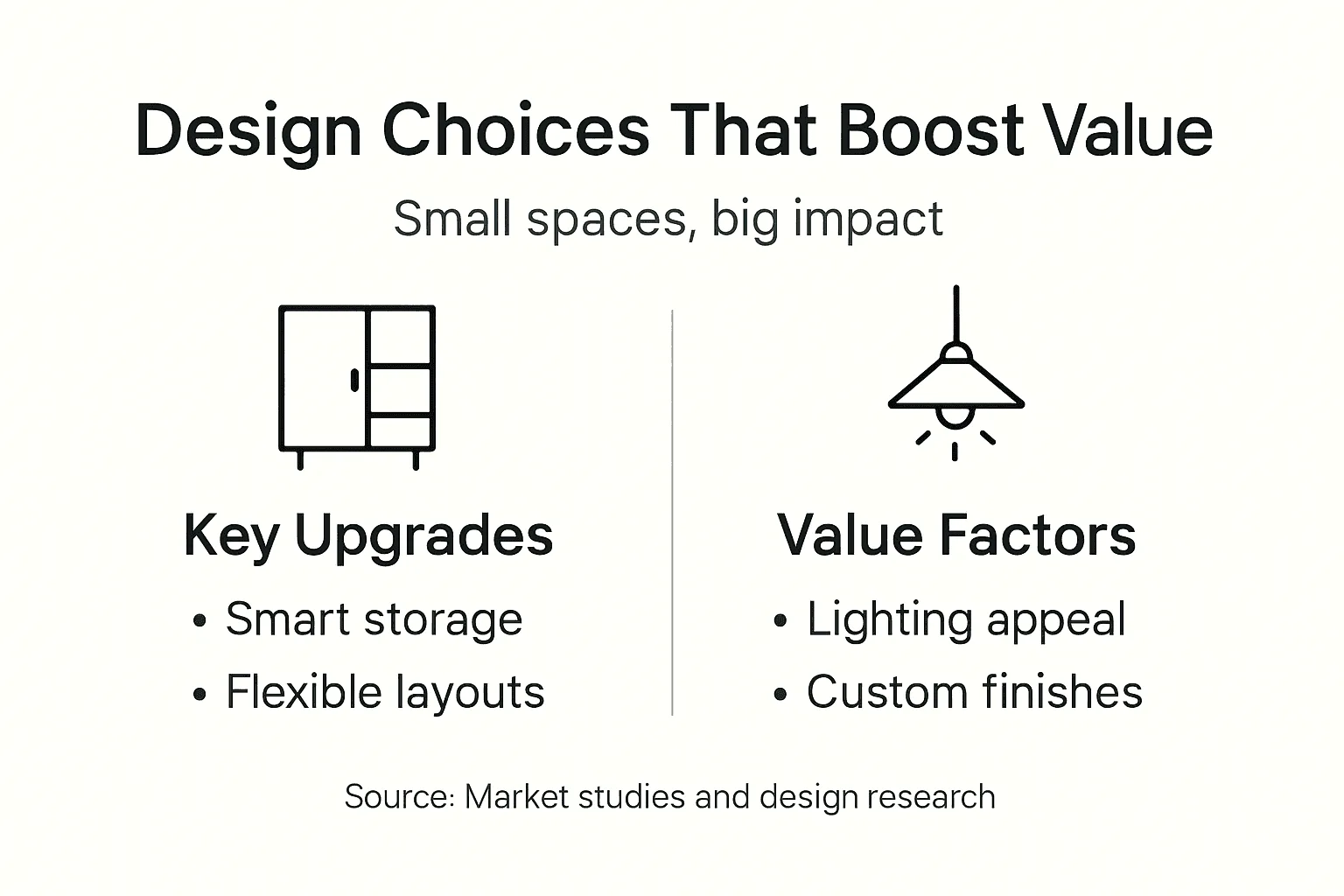
Vacancy periods cost £500–£1,000 monthly en lost rental income
Design improvements typically return 60–100% of investment through increased rental income or resale value. A £5,000 kitchen redesign often enables £8,000–£10,000 in additional rental income annually.
Long-term tenants provide stable, predictable income
- 8–15% higher monthly rental rates
- A well-designed flat that attracts quality tenants pays dividends year après year.
- Lifestyle factors shape tenant appeal
- Modern tenants prioritise
flexibility, functionality, et genuine comfort
Your design strategy should target the specific investor profile or tenant demographic you’re attracting. A young professional’s needs differ from a family’s—and each will pay differently for solutions addressing those needs.
Appliances avec highest efficiency ratings Invest heavily in kitchen, bathroom, and bedroom designs first—these spaces generate the highest rental premiums, then tackle secondary areas as budget allows.
shows that this approach extends far beyond aesthetics—it directly affects how satisfied you feel living there.
Tenant satisfaction isn’t sentimental—it’s your bottom line. Happy tenants stay longer, pay reliably, and require fewer maintenance calls. Design drives all of this.
When you personalise your property with tenants in mind, you’re investing in occupancy stability and rental income consistency.
Storage
| Explore | : Brightens mood, reduces heating costs, improves wellbeing | Quality finishes |
|---|---|---|
| : Durable materials signal care et reduce maintenance anxiety | Practical kitchens | : Adequate counter space, good appliances, logical workflow |
| Sound insulation | : Reduces neighbour noise complaints et tenant frustration | Modern apartment rénovation strategies |
| show how practical design improvements align avec current tenant expectations et lifestyle demands. | The tenant satisfaction equation | Satisfied tenants = lower turnover = higher lifetime profitability. |
| Investors who ignore lifestyle factors experience: | Frequent vacancy periods | Higher maintenance complaints |
Tenant disputes et early terminations
Difficulty attracting quality replacements through practical, adaptable layouts and durable materials that improve long-term profitability. Properties with thoughtful design see tenants stay 40–60% longer than poorly designed alternatives.
Conversely, personalised properties attract tenants who value quality, stay longer, et treat the property better.
- Vacancy periods cost £500–£1,000 monthly in lost rental income
- Tenant turnover requires cleaning, repairs, and re-letting fees (typically £1,500–£3,000]
- Survey departing tenants about what they valued most et what frustrated them—this data directly informs your next rénovation, ensuring improvements address genuine lifestyle needs, not assumptions.
- Personalisation requires investment. The key is understanding where that money goes, what return you’ll actually see, et which mistakes cost the most.
Many investors waste money on design choices that don’t move the needle ou worse, create legal et practical complications.
Understanding realistic costs et ROI
Design personalisation costs vary dramatically based on scope. A comprehensive rénovation of a two-bedroom apartment typically ranges de £8,000–£25,000, depending on finishes et complexity. Realistic ROI breakdown:—not trendy aesthetics. They ask: “Can I actually live well here?”
Flooring et finishes: 50–70% return
- Storage et functionality: 60–80% returnCosmetic updates only: 20–40% return
- Evidence-based design decisions justify costs et timelinesby aligning client needs avec design outcomes et optimising both financial et functional returns.
- Lower maintenance expenditureThe mistake most investors make: spending on aesthetics without solving functional problems. A £5,000 paint job won’t justify higher rent if the layout remains awkward.
- Common legal et practical pitfallsPersonalisation creates liability if you’re not careful. Watch out for:
- Structural changes without permission: Removing walls, altering load-bearing elements requires building control approval et may breach lease agreements
- Permanent fixtures as chattels: If your landlord claims personalisation additions as part of the property, you lose that investment
Tenant expectations mismatch : Expensive bespoke design may alienate future tenants avec different tastes
Over-personalisation
: Highly specific design choices reduce market appeal à investors ou owner-occupiers
Budget overruns
- : Scope creep on bespoke work costs significantly more than modular alternatives
- Poor workmanship documentation
- : Without contracts et warranties, you have no recourse if quality fails
- Avoiding costly mistakes
- Start avec a
clear brief et written agreement
Design isn’t about making tenants happy—it’s about creating spaces where people naturally want to stay.
Your target demographic shapes your design decisions. Young professionals need different features than families or retirees. Understanding who you’re attracting allows you to design precisely for their lifestyle needs.
Appliances avec highest efficiency ratings Survey departing tenants about what they valued most and what frustrated them—this data directly informs your next renovation, ensuring improvements address genuine lifestyle needs, not assumptions.
When you create
Personalisation requires investment. The key is understanding where that money goes, what return you’ll actually see, and which mistakes cost the most.
Many investors waste money on design choices that don’t move the needle or worse, create legal and practical complications.
Facing the challenge of turning your space into a true reflection of your lifestyle while boosting its market value is easier than you think. Many propriétaires immobiliers struggle avec balancing unique design choices et practical functionality that attract tenants et buyers. The article highlights key pain points such as creating adaptable layouts, enhancing tenant appeal, et avoiding costly mistakes by focusing on personalised interiors that truly work pour how you live.
Design personalisation costs vary dramatically based on scope. A comprehensive renovation of a two-bedroom apartment typically ranges from £8,000–£25,000, depending on finishes and complexity.
design intérieur › Danica
- Kitchen and bathroom work: 70–100% return through rental premium
- Flooring and finishes: 50–70% return
- Storage and functionality: 60–80% return
- Cosmetic updates only: 20–40% return
Modular houses › Danica solutions offer flexible, cost-effective transformations. Take the first step now et create interiors that reflect your lifestyle while delivering real financial returns.
The mistake most investors make: spending on aesthetics without solving functional problems. A £5,000 paint job won’t justify higher rent if the layout remains awkward.
Personalised interiors are designed à reflect the inhabitants’ lifestyle, values, et needs. They encompass not just decoration but also structural et functional choices that enhance comfort et market appeal.
Personalisation creates liability if you’re not careful. Watch out for:
- Personalisation can significantly increase property value by improving functionality, aesthetic appeal, et the overall satisfaction of potential buyers ou tenants. Thoughtful design choices can lead à higher rental rates et faster sales.Can personalisation be affordable?
- Yes, personalisation can be achieved on any budget. Strategic furniture choices, clever storage solutions, et colour adjustments can create a significant impact without incurring high costs.What are the common myths about personalisation?
- Some common myths include the belief that personalisation is just decoration, that it reduces appeal à buyers, ou that it requires a large budget. en reality, personalisation is about strategic design that enhances both comfort et market value.Comment create welcoming interiors pour higher rental appeal › danica
- Sustainable Interiors: Enhancing Value Through Eco Design › DanicaStories › Danica
- Small Space Design: Maximising Rental Appeal et Function › DanicaDanica service route
- Turn this idea into a buildable projet.Design thinking, interiors, materials, furniture et Danica projet notes.
Articles liés
Continuer la lecture Idées de design · Jun 15, 2026 specifying scope, timeline, and costs. Use modular design before committing to bespoke solutions—it’s reversible and more cost-effective.
For UK investors, check your lease regarding alterations. Croatian investors should verify local regulations—requirements differ significantly from UK standards, particularly regarding rental property modifications.
The most expensive mistake isn’t overspending on design—it’s investing in changes that don’t align with tenant demand or breach your lease terms.
Get professional advice before major structural work. A £200 consultation with a surveyor prevents £5,000 mistakes. Document everything: contracts, warranties, receipts, and before/after photos.
Appliances avec highest efficiency ratings Terrace et Outdoor Living Design en Croatia
personalised indoor space designs
2026 © Danica
Architecture · Design intérieur · Rénovation · Energy-efficient homes Interior Design › Danica solutions that combine bespoke craftsmanship, modular adaptability, and cutting-edge CGI visualisations. These services help you make confident design decisions, maximise rental income, and elevate property value through thoughtful, tailored renovations.
Ready to turn your property into a space that stands out for all the right reasons? Discover how our expert team’s innovative approaches can unlock your property’s full potential today. Visit Hub rénovation · Jun 14, 2026 to explore personalised design options or learn how our Modular houses › Danica solutions offer flexible, cost-effective transformations. Take the first step now and create interiors that reflect your lifestyle while delivering real financial returns.
increase property valuations by 5-12% compared à generic ou poorly designed spaces. This value increase stems de enhanced tenant appeal, faster rental cycles, et competitive positioning.
What are personalised interiors?
Personalised interiors are designed to reflect the inhabitants’ lifestyle, values, and needs. They encompass not just decoration but also structural and functional choices that enhance comfort and market appeal.
How does personalisation affect property value?
Personalisation can significantly increase property value by improving functionality, aesthetic appeal, and the overall satisfaction of potential buyers or tenants. Thoughtful design choices can lead to higher rental rates and faster sales.
Can personalisation be affordable?
Yes, personalisation can be achieved on any budget. Strategic furniture choices, clever storage solutions, and colour adjustments can create a significant impact without incurring high costs.
What are the common myths about personalisation?
Some common myths include the belief that personalisation is just decoration, that it reduces appeal to buyers, or that it requires a large budget. In reality, personalisation is about strategic design that enhances both comfort and market value.