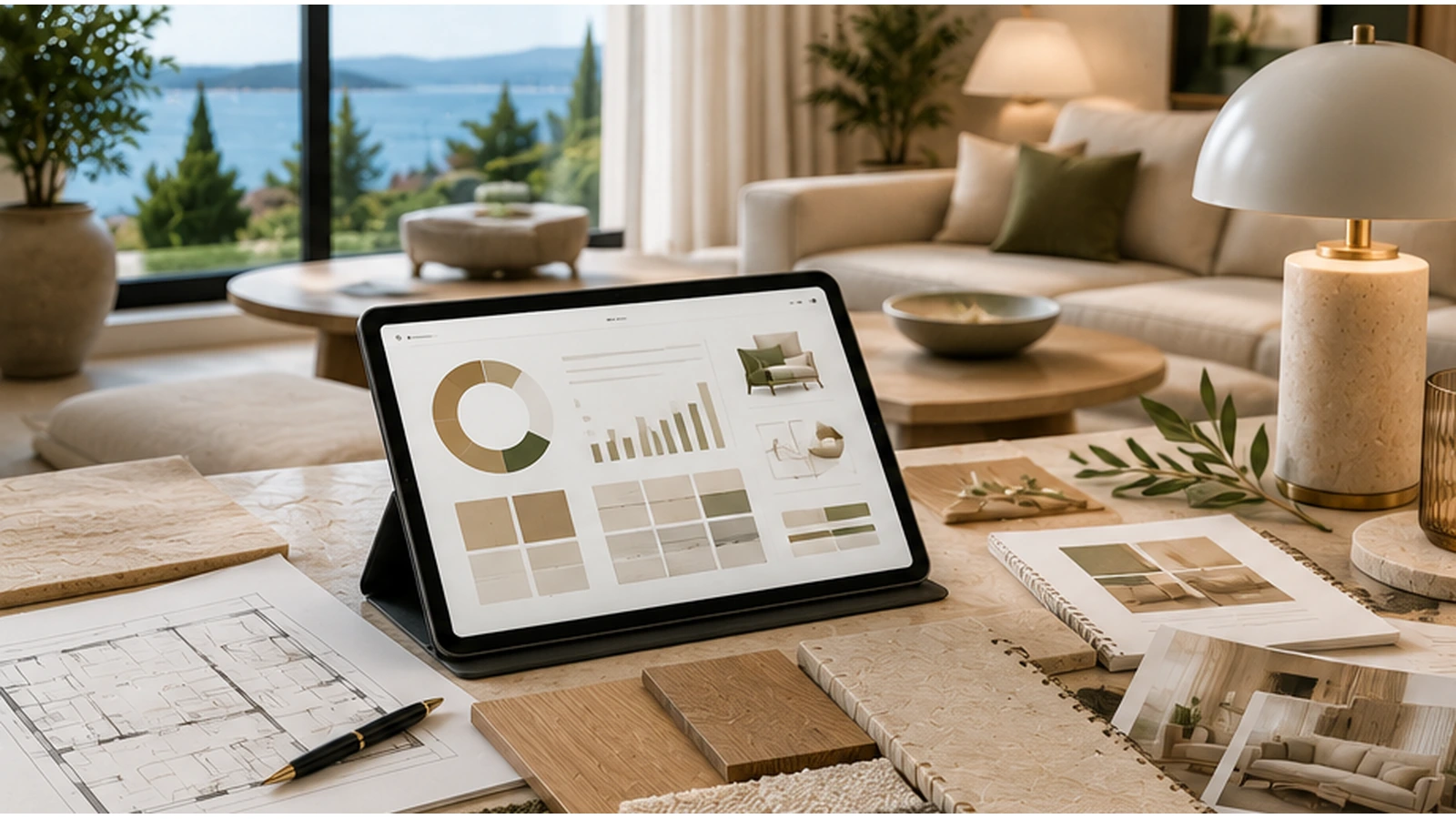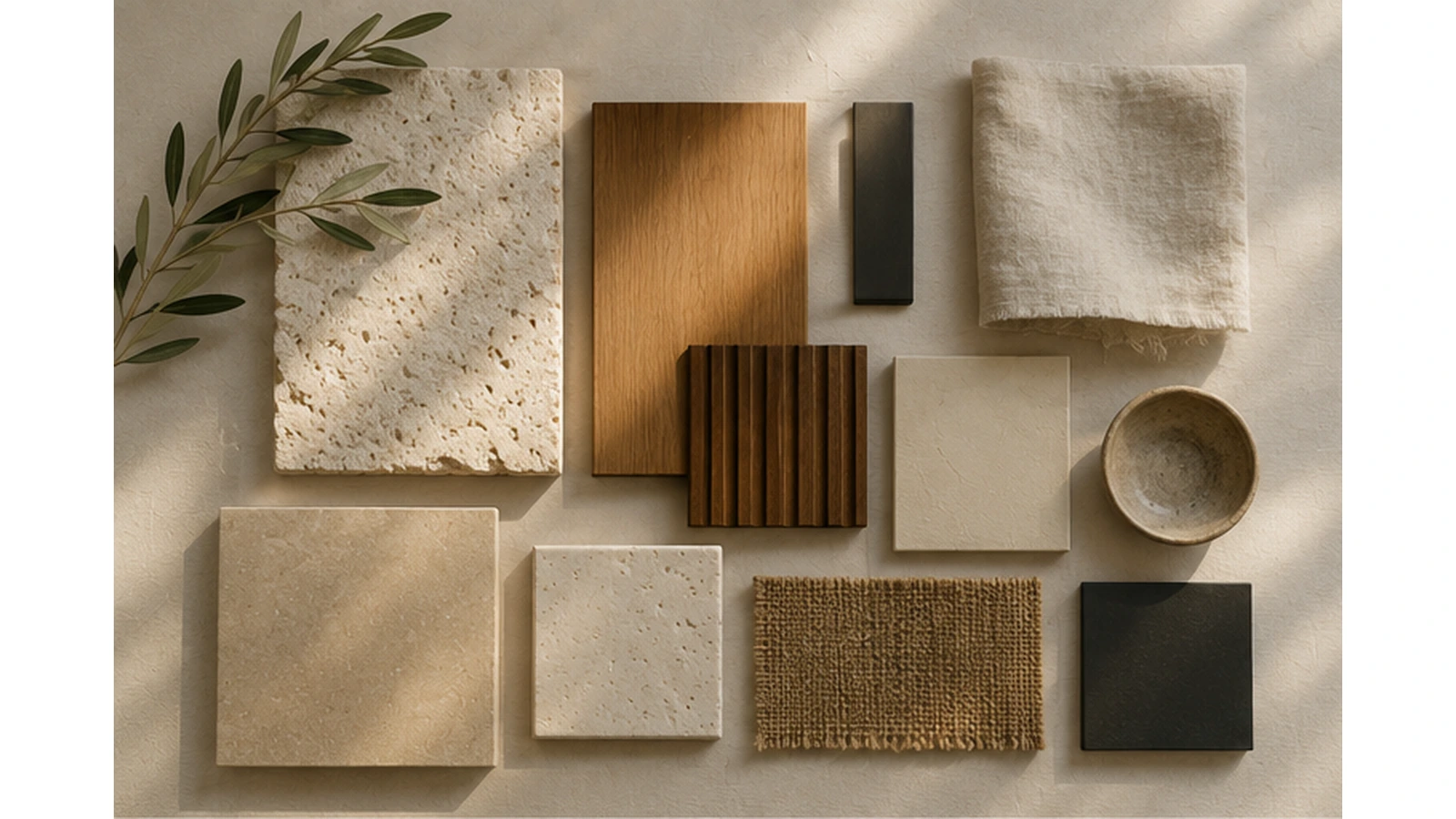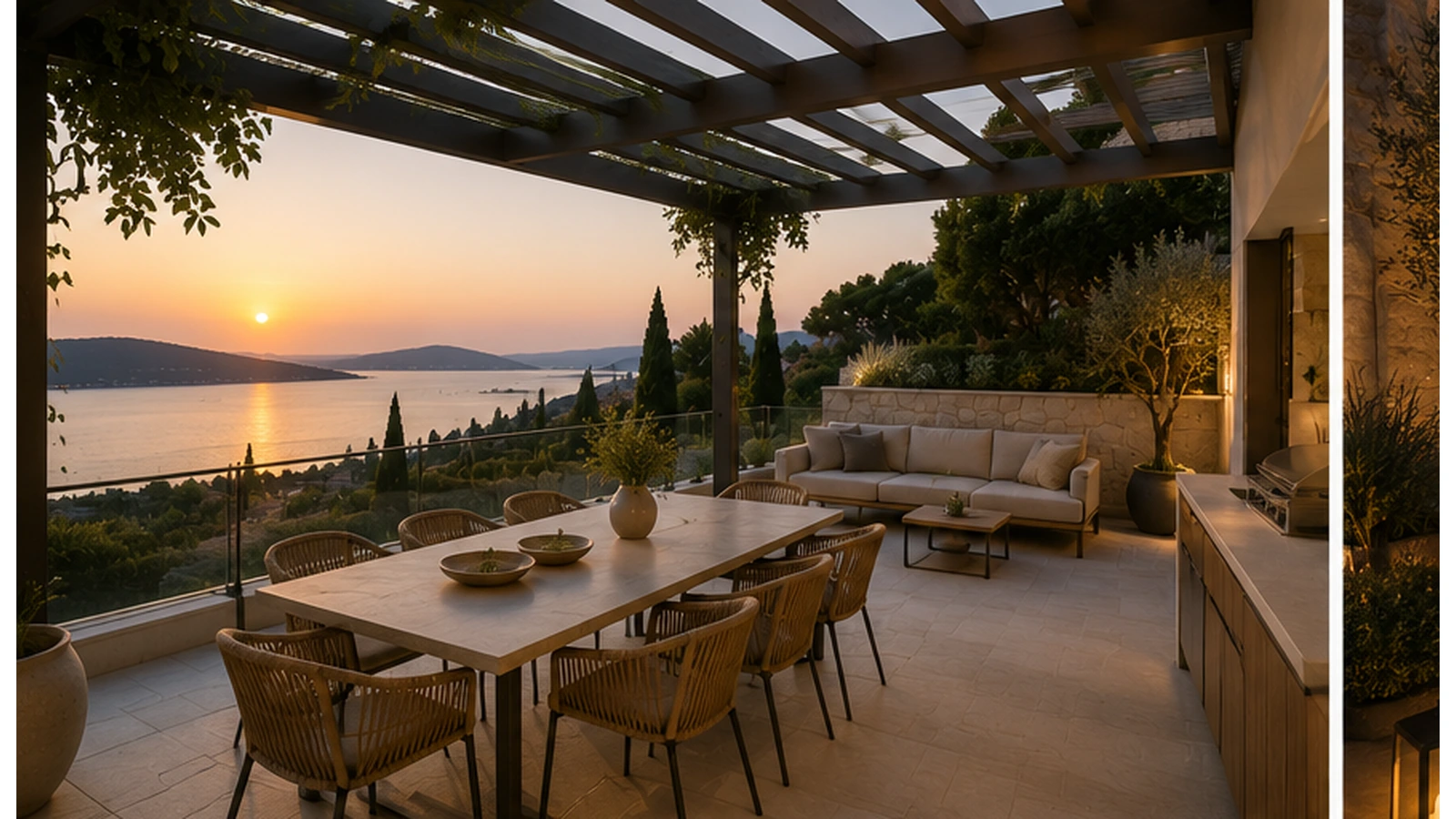

Every property investor knows the challenge of making a flat truly stand out in the competitive UK or Croatian markets. Personalised interiors are more than choosing a popular paint shade—they involve your active role in shaping a space to fit real lives and ambitions. Modern research confirms that personalizirani dizajn kombinira fizičke i psihičke čimbenike, stvarajući i trajno zadovoljstvo i veću tržišnu privlačnost. Ovaj članak objašnjava što personalizirani interijeri zapravo znače, dok razjašnjava mitove koji često koče investitore.
Ključni zaključci
| Točka | Detalji |
|---|---|
| Personalizacija povećava udobnost | Personalizirani interijeri odražavaju vaš stil života i potrebe, što dovodi do poboljšane udobnosti i privlačnosti na tržištu. |
| Ulažite mudro | Usredotočite se na strateška poboljšanja u kuhinjama i kupaonicama za najveći povrat ulaganja. |
| Dajte prednost fleksibilnosti | Odaberite prilagodljive opcije dizajna kako biste zadovoljili promjenjive životne okolnosti i preferencije. |
| Uključite stanare | Dizajniranje prostora imajući na umu zadovoljstvo stanara povećava zadržavanje i stabilizira prihod od najma. |
Objašnjeni personalizirani interijeri i uobičajeni mitovi
Personalizirani interijeri idu daleko dalje od odabira lijepe sheme boja ili vješanja modernih umjetnina. Oni predstavljaju promišljenu, namjernu transformaciju vašeg životnog prostora kako bi odražavali vaš stil života, vrijednosti i potrebe.
U svojoj srži, personalisation involves inhabitants’ active participation in reshaping their homes to match who they are and how they actually live. This isn’t superficial decoration—it’s a strategic investment in both your comfort and your property’s market appeal.
Što su zapravo personalizirani interijeri
Kombinacija personaliziranih interijera fizički elementi dizajna s psihološkim čimbenicima koji stvaraju prostore prilagođene vašim specifičnim okolnostima. Okvir uključuje odluke o izgledu, izbor materijala, palete boja, rasvjetu i funkcionalne elemente koji rade zajedno.
Zamislite to kao razliku između useljenja u blag stan za iznajmljivanje i toga da ga istinski učinite svojim. Personalizirani interijer odražava:
- Vaše dnevne rutine i kako zapravo koristite prostor
- Vaše estetske sklonosti i kulturno podrijetlo
- Vaši praktični zahtjevi (kućni ured, teretana, zone za opuštanje]
- Vaša dugoročna vizija nekretnine
Razumijevanje kako personalizacija utječe na psihološko blagostanje shows that this approach extends far beyond aesthetics—it directly affects how satisfied you feel living there.
Kada stvarate personalizirani dizajn unutarnjeg prostora, you’re integrating technology, flexibility, and spatial evaluation to boost both comfort and satisfaction with your home.
Razotkriveni uobičajeni mitovi
Mit 1: Personalizacija je samo ukras
False. Real personalisation involves structural and functional choices. It’s your layout, storage solutions, lighting design, and material selections—not merely hanging pictures.
Myth 2: Personalised spaces won’t appeal to buyers
Ovo je unatrag. Kupci sve više cijene domove koji pokazuju promišljen dizajn. Personalizacija pokazuje ulaganje i brigu, a ne loš ukus. Vaša sofisticirana shema boja i funkcionalni odabiri privlače investitore i kvalitetne stanare.
Mit 3: morate puno potrošiti za personalizaciju
Nimalo. Personalizacija radi za bilo koji budžet. Strateški odabiri namještaja, pametno skladištenje, prilagodbe rasvjete i promjene boje daju značajan učinak bez dodatnih troškova.
Mit 4: Personalizacija znači pretjerivanje
Moderation matters. Effective personalisation creates cohesion, not chaos. Your design should feel intentional and balanced—qualities that increase property appeal, not reduce it.
Razmotrite kako gostoljubivi, personalizirani interijeri poboljšavaju privlačnost najma balansirajući osobni stil i privlačnost na širokom tržištu.
Mit 5: Personalizacija je trajna
Flexible design is a core component of modern personalisation. Your space should adapt as your needs change—whether that’s accommodating children, creating a home office, or preparing for sale.
Personalisation isn’t about imposing your personality onto a space; it’s about designing spaces that work for how you actually live.
Stručni savjet: Start by auditing your daily routines—where you work, exercise, relax, and entertain—then design around those activities rather than traditional room definitions.
Mogućnosti dizajna po narudžbi, modularni i CGI
Imate tri moćna pristupa personalizaciji svoje nekretnine: prilagođeni dizajn po mjeri, modularni sustavi i CGI vizualizacija. Svaki služi različitim potrebama i proračunima.
These aren’t mutually exclusive—many successful projects combine all three to maximise impact and market appeal.
Ovdje je kratka usporedba prilagođenih, modularnih i CGI strategija dizajna interijera:
| Pristup | Idealno za | Trošak unaprijed | Fleksibilnost i prilagodba |
|---|---|---|---|
| Dizajn po narudžbi | Jedinstveni rasporedi, vrhunska završna obrada | Najviša | Prilagođeno, ali kasnije ga je teže promijeniti |
| Modularni sustavi | Mali prostori, promjenjive potrebe | Umjereno do nisko | Jednostavan za ponovno konfiguriranje, skalabilan |
| CGI vizualizacija | Planiranje i donošenje odluka | Nisko (često jednokratno) | Nefizički, dopušta brze promjene |
Dizajn po mjeri za jedinstvene prostore
Dizajn po mjeri means creating custom solutions tailored specifically to your property’s dimensions, layout, and your lifestyle requirements. This approach works brilliantly when you have an unusual space or specific functional demands.
Prednosti po narudžbi uključuju:
- Savršeno pristaje za nepravilne oblike soba i neobične dimenzije
- Rješenja dizajnirana točno prema vašim dnevnim rutinama
- Maksimalna kontrola kvalitete i izrade
- Jedinstvene karakteristike koje izdvajaju vašu nekretninu na tržištu
Dizajn po narudžbi obično košta više od uobičajenih rješenja, ali ulaganje se opravdava vrhunskom funkcionalnošću i prepoznatljivošću. Vaša nekretnina ističe se i investitorima i stanarima.
Modularni dizajn za fleksibilnost i vrijednost
Modularni sustavi use standardised components that reconfigure based on changing needs. They balance affordability with customisation—the sweet spot for most property investors.
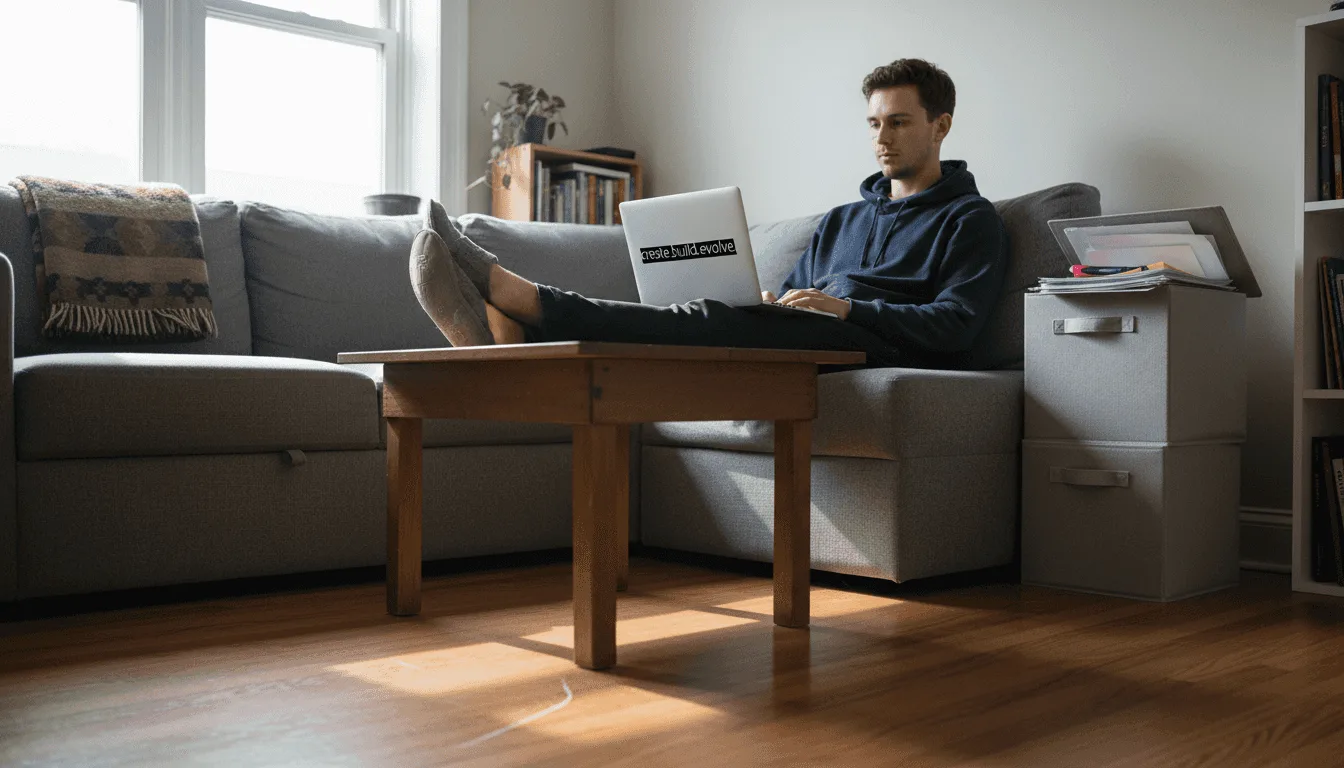
Fleksibilan i modularan dizajn namještaja prilagođava se različitim korisničkim potrebama i optimizira korištenje prostora putem rekonfigurabilnih mrežnih sustava. Ova fleksibilnost jako se sviđa modernim kupcima i iznajmljivačima.
Ključne prednosti modularnog pristupa:
- Niži početni troškovi od potpuno prilagođenih rješenja
- Jednostavna rekonfiguracija prema promjeni vaših potreba
- Scalable—add components later without redesigning
- Potencijalnim kupcima pokazuje razmišljanje usmjereno na budućnost
- Radi s ograničenim proračunima i malim prostorima
Usluge projektiranja modularne kuće nudi strukturirane pristupe maksimiziranju svestranosti uz održavanje estetske kohezije.
CGI vizualizacija za pouzdane odluke
Računalno generirane slike (CGI) vam omogućuje vizualizaciju dizajna prije nego što potrošite novac. Vidite točno kako boje, rasporedi i namještaj funkcioniraju zajedno u vašem stvarnom prostoru.
CGI vizualizacija uklanja nagađanja. Možete:
- Trenutno testirajte više shema dizajna
- Show investors or tenants precisely what they’re getting
- Identificirajte prostorne probleme prije početka izgradnje
- Donosite samouvjerene odluke o kupnji
- Pokažite kvalitetu dizajna u popisima nekretnina
Primjeri poput hi-end bachelor flat dizajn s CGI pokazuju kako vizualizacija pretvara male prostore u privlačna svojstva spremna za tržište.
CGI isn’t about creating perfect renderings—it’s about making informed decisions with confidence and clarity before you commit resources.
Kombinacija sva tri pristupa daje vam maksimalnu fleksibilnost. Upotrijebite CGI za istraživanje opcija, odaberite modularno ili prilagođeno na temelju vašeg proračuna i potreba, a zatim implementirajte sa sigurnošću.
Stručni savjet: Request CGI visualisations of your top 2-3 design directions before committing to bespoke components—this modest investment prevents costly mistakes and builds stakeholder confidence.
Kako odabir dizajna utječe na tržišnu vrijednost nekretnine
Design isn’t decorative—it’s financial. Every colour choice, spatial decision, and material selection directly affects what buyers and tenants will pay for your property.
This isn’t opinion. Academic research confirms that specifične intervencije u dizajnu mjerljivo povećavaju procjenu imovine izvan tradicionalnih čimbenika poput lokacije i veličine.
Znanost iza vrijednosti dizajna
Arhitektonske značajke značajno utječu na cijene građevinskih transakcija, s određenim elementima dizajna koji povećavaju vrijednost svojstva do 15.9%. Ovo istraživanje obuhvaća komercijalne nekretnine, ali se načelo jednako primjenjuje i na stambene investicije.
Dizajn stvara vrijednost kroz:
- Poboljšana funkcionalnost i iskorištenost prostora
- Poboljšana estetska privlačnost i percipirana kvaliteta
- Bolja svjetlost, ventilacija i prostorni protok
- Moderne završne obrade koje smanjuju buduće troškove obnove
- Psihološko zadovoljstvo koje opravdava više cijene najma
The key insight: design isn’t subjective preference—it’s quantifiable economic impact.
Koji su izbori dizajna najvažniji
Arhitektonske varijable koje obuhvaćaju funkcionalne i estetske čimbenike stvaraju složene odnose koji određuju cijene nekretnina na globalnoj razini. Neki izbori donose ogromne povrate; drugi su manje važni.
Izbor dizajna s najvećim utjecajem na tržište:
- Izgled i tijek: Otvoren tlocrt, logična cirkulacija, jasne funkcionalne zone
- Prirodno svjetlo: Prozori, krovni prozori, rasvjetni bunari dramatično povećavaju privlačnost
- Rješenja za pohranu: Pametni organizacijski sustavi opravdavaju vrhunske cijene
- Kvaliteta kuhinje i kupaonice: Ove sobe stvaraju izvanredan povrat ulaganja
- Izbor materijala: Izdržljivi, kvalitetni materijali smanjuju percipirani rizik za kupce
Mali stanovi posebno imaju koristi od promišljenog dizajna. Dizajn malog prostora koji povećava privlačnost i funkciju za iznajmljivanje pokazuje kako inteligentni izbori pretvaraju kompaktne nekretnine u vrhunske najamnine.
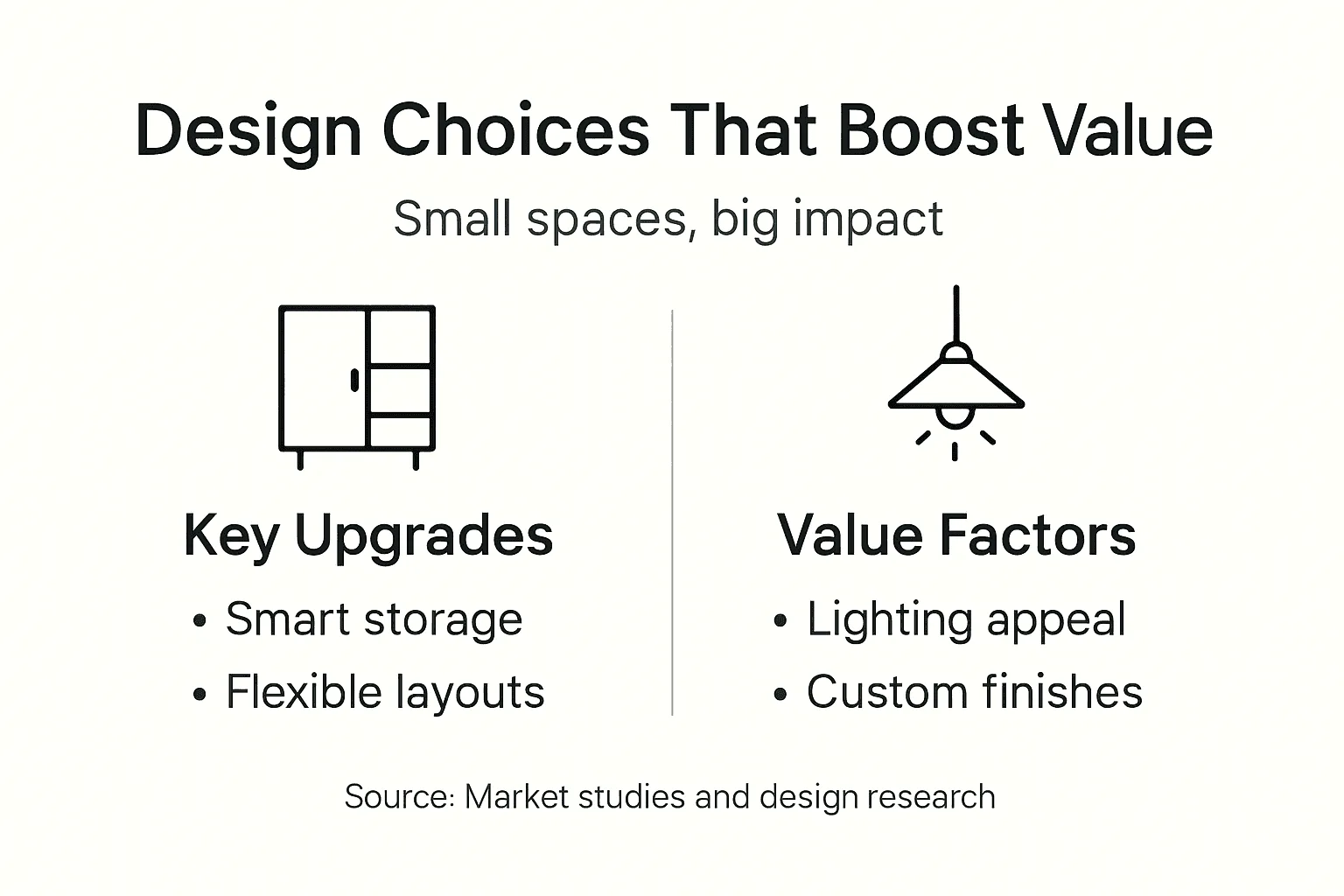
Kvantificiranje povrata
Design improvements typically return 60–100% of investment through increased rental income or resale value. A £5,000 kitchen redesign often enables £8,000–£10,000 in additional rental income annually.
Investitori koji zanemaruju dizajn ostavljaju novac na stolu. Svojstva s promišljenom naredbom za personalizaciju:
- 8–15% higher monthly rental rates
- Brže postavljanje stanara (skraćena razdoblja nepopunjenosti)
- Manji promet stanara i troškovi održavanja
- Jača pozicija preprodaje vlasnicima stanova
Kvaliteta dizajna razlikuje robu od vrhunskih nekretnina u očima tržišta.
Your design strategy should target the specific investor profile or tenant demographic you’re attracting. A young professional’s needs differ from a family’s—and each will pay differently for solutions addressing those needs.
Stručni savjet: Invest heavily in kitchen, bathroom, and bedroom designs first—these spaces generate the highest rental premiums, then tackle secondary areas as budget allows.
Čimbenici privlačnosti stanara, zadržavanja i načina života
Tenant satisfaction isn’t sentimental—it’s your bottom line. Happy tenants stay longer, pay reliably, and require fewer maintenance calls. Design drives all of this.
When you personalise your property with tenants in mind, you’re investing in occupancy stability and rental income consistency.
Tablica u nastavku sažima ključne čimbenike koji potiču zadovoljstvo i zadržavanje stanara:
| Faktor | Učinak na stanare | Dugoročni ishod |
|---|---|---|
| Fleksibilni prostori | Veća udobnost, prilagodljivost | Veća vjerojatnost obnove najma |
| Kvalitetna završna obrada | Manje pritužbi, povjerenje | Manji troškovi održavanja |
| Pametna pohrana | Smanjeni nered, lakši život | Povećano zadovoljstvo stanara |
| Praktične kuhinje | Pogodnost, svakodnevno uživanje | Jača potražnja na tržištu najma |
Dizajn izravno utječe na zadržavanje stanara
Izbori dizajna utječu na stopu popunjenosti i zadovoljstvo stanara through practical, adaptable layouts and durable materials that improve long-term profitability. Properties with thoughtful design see tenants stay 40–60% longer than poorly designed alternatives.
Zadržavanje je važno jer:
- Vacancy periods cost £500–£1,000 monthly in lost rental income
- Tenant turnover requires cleaning, repairs, and re-letting fees (typically £1,500–£3,000]
- Dugoročni stanari pružaju stabilan, predvidljiv prihod
- Smanjeni odlazak stanara znači manje inspekcija imovine i manje sporova
Dobro dizajniran stan koji privlači kvalitetne stanare donosi dividende iz godine u godinu.
Čimbenici životnog stila oblikuju privlačnost stanara
Moderni stanari daju prioritete fleksibilnost, funkcionalnost i istinska udobnost—not trendy aesthetics. They ask: “Can I actually live well here?”
Čimbenici životnog stila koji potiču privlačnost stanara:
- Fleksibilni prostori: Zone kućnih ureda, višenamjenski prostori, prilagodljivi rasporedi
- Skladištenje: Pravilni organizacijski sustavi smanjuju stres od nereda
- Prirodno svjetlo: Poboljšava raspoloženje, smanjuje troškove grijanja, poboljšava dobrobit
- Kvalitetna završna obrada: Izdržljivi materijali signaliziraju brigu i smanjuju brigu oko održavanja
- Praktične kuhinje: Adekvatan prostor za šaltere, dobri uređaji, logičan tijek rada
- Zvučna izolacija: Smanjuje pritužbe susjeda na buku i frustraciju stanara
Moderne strategije renoviranja stanova pokazuju kako su praktična poboljšanja dizajna usklađena s trenutnim očekivanjima stanara i zahtjevima životnog stila.
Jednadžba zadovoljstva stanara
Zadovoljni stanari = manji promet = veća životna isplativost.
Ulagači koji ignoriraju čimbenike životnog stila doživljavaju:
- Česta razdoblja slobodnih radnih mjesta
- Veće pritužbe na održavanje
- Stanarski sporovi i prijevremeni raskidi
- Poteškoće u privlačenju kvalitetnih zamjena
- Smanjena vrijednost preprodaje kada na kraju izađete
Suprotno tome, personalizirane nekretnine privlače stanare koji cijene kvalitetu, ostaju dulje i bolje se odnose prema imovini.
Design isn’t about making tenants happy—it’s about creating spaces where people naturally want to stay.
Your target demographic shapes your design decisions. Young professionals need different features than families or retirees. Understanding who you’re attracting allows you to design precisely for their lifestyle needs.
Stručni savjet: Survey departing tenants about what they valued most and what frustrated them—this data directly informs your next renovation, ensuring improvements address genuine lifestyle needs, not assumptions.
Troškovi, ROI, pravne i praktične zamke koje treba izbjegavati
Personalisation requires investment. The key is understanding where that money goes, what return you’ll actually see, and which mistakes cost the most.
Many investors waste money on design choices that don’t move the needle or worse, create legal and practical complications.
Razumijevanje realnih troškova i povrata ulaganja
Design personalisation costs vary dramatically based on scope. A comprehensive renovation of a two-bedroom apartment typically ranges from £8,000–£25,000, depending on finishes and complexity.
Analiza realnog povrata ulaganja:
- Kitchen and bathroom work: 70–100% return through rental premium
- Flooring and finishes: 50–70% return
- Storage and functionality: 60–80% return
- Cosmetic updates only: 20–40% return
Dizajnerske odluke temeljene na dokazima opravdavaju troškove i vremenske rokove usklađivanjem potreba klijenata s ishodima dizajna i optimiziranjem financijskih i funkcionalnih povrata.
The mistake most investors make: spending on aesthetics without solving functional problems. A £5,000 paint job won’t justify higher rent if the layout remains awkward.
Uobičajene pravne i praktične zamke
Personalisation creates liability if you’re not careful. Watch out for:
- Strukturne promjene bez dopuštenja: Uklanjanje zidova, mijenjanje nosivih elemenata zahtijeva odobrenje nadzora nad građenjem i može prekršiti ugovore o najmu
- Stalni objekti kao pokretnina: Ako vaš stanodavac zahtijeva dodatke za personalizaciju kao dio nekretnine, gubite tu investiciju
- Neusklađenost očekivanja stanara: Skupi dizajn po narudžbi mogao bi odvratiti buduće stanare s različitim ukusima
- Pretjerana personalizacija: Vrlo specifični izbori dizajna smanjuju tržišnu privlačnost investitorima ili vlasnicima stanova
- Prekoračenje proračuna: Proširivanje opsega rada po narudžbi košta znatno više od modularnih alternativa
- Loša dokumentacija o izradi: Bez ugovora i jamstava, nemate prava ako kvaliteta zakaže
Izbjegavanje skupih pogrešaka
Počnite s a jasan kratak i pisani sporazum specifying scope, timeline, and costs. Use modular design before committing to bespoke solutions—it’s reversible and more cost-effective.
For UK investors, check your lease regarding alterations. Croatian investors should verify local regulations—requirements differ significantly from UK standards, particularly regarding rental property modifications.
The most expensive mistake isn’t overspending on design—it’s investing in changes that don’t align with tenant demand or breach your lease terms.
Get professional advice before major structural work. A £200 consultation with a surveyor prevents £5,000 mistakes. Document everything: contracts, warranties, receipts, and before/after photos.
Stručni savjet: Pribavite pismeni pristanak svog stanodavca prije bilo kakvih trajnih radova na personalizaciji i osigurajte da vaš projektant ima osiguranje od profesionalne odgovornosti radi zaštite od skupih pogrešaka.
Preobrazite svoje imanje stručnim personaliziranim dizajnom interijera
Suočiti se s izazovom pretvaranja svog prostora u pravi odraz vašeg životnog stila uz povećanje njegove tržišne vrijednosti lakše je nego što mislite. Mnogi se vlasnici muče s balansiranjem između jedinstvenog dizajna i praktične funkcionalnosti koja privlači stanare i kupce. U članku se ističu ključne bolne točke kao što su stvaranje prilagodljivih rasporeda, povećanje privlačnosti stanara i izbjegavanje skupih pogrešaka fokusiranjem na personalizirane interijere koji zaista odgovaraju vašem životu.
Danica nudi sveobuhvatan Interior Design › Danica rješenja koja kombiniraju izradu po narudžbi, modularnu prilagodljivost i vrhunske CGI vizualizacije. Ove vam usluge pomažu u donošenju pouzdanih odluka o dizajnu, povećanju prihoda od najma i povećanju vrijednosti nekretnine kroz promišljene renovacije po mjeri.
Ready to turn your property into a space that stands out for all the right reasons? Discover how our expert team’s innovative approaches can unlock your property’s full potential today. Visit Danica da istražite mogućnosti personaliziranog dizajna ili naučite kako naš Modular houses › Danica rješenja nude fleksibilne, isplative transformacije. Poduzmite prvi korak sada i stvorite interijere koji odražavaju vaš životni stil, a istovremeno donose stvarne financijske povrate.
Često postavljana pitanja
Što su personalizirani interijeri?
Personalised interiors are designed to reflect the inhabitants’ lifestyle, values, and needs. They encompass not just decoration but also structural and functional choices that enhance comfort and market appeal.
Kako personalizacija utječe na vrijednost imovine?
Personalizacija može značajno povećati vrijednost nekretnine poboljšanjem funkcionalnosti, estetske privlačnosti i ukupnog zadovoljstva potencijalnih kupaca ili stanara. Pažljivi izbori dizajna mogu dovesti do viših cijena najma i brže prodaje.
Može li personalizacija biti pristupačna?
Da, personalizacija se može postići bez obzira na proračun. Strateški izbori namještaja, pametna rješenja za pohranu i prilagodbe boja mogu stvoriti značajan učinak bez velikih troškova.
Koji su uobičajeni mitovi o personalizaciji?
Neki uobičajeni mitovi uključuju uvjerenje da je personalizacija samo ukras, da smanjuje privlačnost kupcima ili da zahtijeva veliki budžet. U stvarnosti, personalizacija je strateški dizajn koji povećava udobnost i tržišnu vrijednost.