
Answer-first
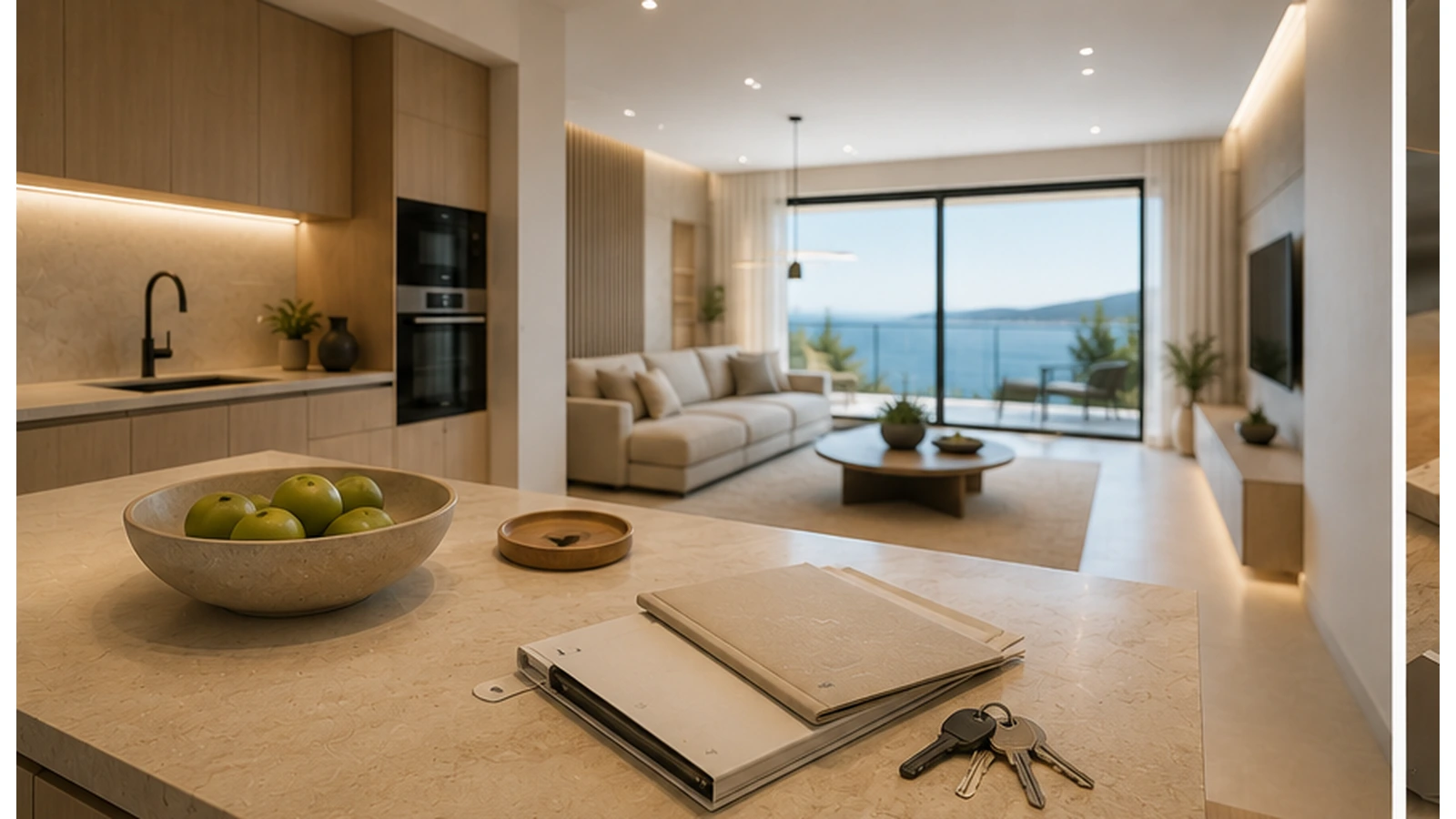
Remote renovation in Croatia can work well if the project is managed as a controlled process. The owner needs clear scope, documented decisions, regular site reports, contractor coordination, procurement tracking and someone checking quality before hidden works are closed. Without this structure, distance turns small issues into expensive changes.
Remote renovation fails when responsibility is unclear
Many foreign owners buy property in Croatia while living in another country. The apartment, villa or old house may be intended as a second home, rental property or future resale project. The renovation seems manageable at first: find a contractor, approve a design, transfer payments and wait for photos.
But renovation is not a passive process. Every week brings decisions: where to move a socket, how to solve an uneven wall, whether to replace a pipe, how to align tiles, whether a material substitution is acceptable, when furniture should be ordered, what to do if delivery is delayed.
When the owner is not on site, these decisions still happen. The only question is who makes them and how well they are documented.
The most dangerous situation is when the designer, contractor, supplier and owner all assume someone else is controlling the whole picture.
- The contractor controls their own work.
- The supplier controls delivery of their items.
- The designer controls design intent.
- The owner controls budget and final decisions.
But who checks that the contractor is executing the design correctly? Who checks whether the supplier’s delay affects site sequence? Who tells the owner that a decision must be made before tiling starts?
This is why remote renovation needs an owner-side manager and a clear construction project management process.

Define the communication system before work begins
A remote renovation should not be managed through scattered WhatsApp messages only.
The project should have:
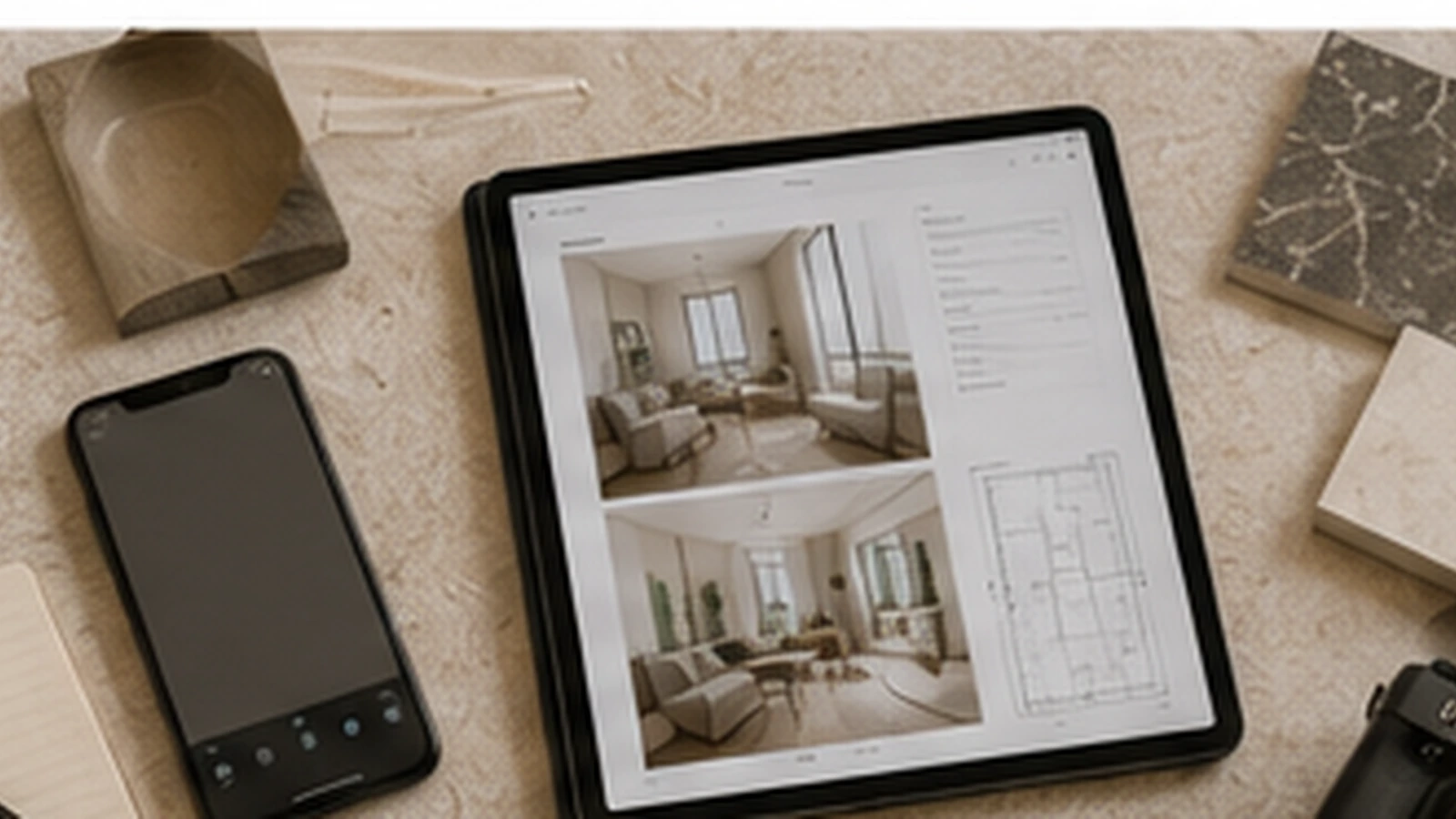
- weekly site report;
- photo and video documentation;
- issue log;
- decision log;
- change order log;
- payment milestone tracking;
- procurement list;
- upcoming decisions list;
- handover checklist.
The point is not to create complicated paperwork. The point is to make sure the owner can understand what is happening without being physically present. For the planning layer before work starts, connect this system to a contractor-ready renovation scope.
Managing from abroad? Send the property status, photos and current contractor information before work begins.
Send Project BriefUse drawings as the control tool
Photos are useful, but drawings are stronger. If the site team is working only from verbal instructions and screenshots, the project becomes vulnerable to mistakes.
At minimum, the contractor should have:
- demolition plan;
- new layout;
- electrical and lighting plan;
- bathroom drawings;
- kitchen coordination drawings;
- finish schedule;
- furniture layout;
- material references.
For more complex projects, add joinery drawings, ceiling plans, wall elevations and detail drawings. Remote work becomes easier when site questions can be answered against a document. This is also why apartment renovation service should link design, drawings, contractor pricing and site reporting into one chain.
Control hidden works before they disappear
The most important quality checks often happen before the apartment starts looking beautiful.
Hidden works include:
- plumbing routes;
- electrical wiring;
- waterproofing;
- wall reinforcement;
- floor preparation;
- AC drainage;
- insulation;
- substrate preparation.
If these are not checked before closing walls, floors or tiles, mistakes may become visible only after the renovation is finished.
For bathrooms, waterproofing and drainage checks are especially important. For kitchens, electrical and plumbing coordination should be checked before cabinets arrive. For lighting, cable positions must be checked before ceilings are closed.
Track changes before they become budget surprises
Every renovation has changes. The issue is not whether changes happen. The issue is whether they are approved, priced and documented before execution.
A remote owner should require:
- description of the change;
- reason for change;
- cost impact;
- timeline impact;
- photos or drawings;
- approval before execution.
This protects the owner and the contractor. It also prevents the common conflict where a contractor says “we had to do it” and the owner says “I never approved it”.
Connect procurement to the site schedule
Furniture, lighting, sanitaryware, kitchen appliances and custom joinery can delay the whole project if ordered late.
Remote owners often underestimate this. They approve the renovation works but postpone furniture decisions. Then the contractor finishes, but the apartment is not usable.
A proper procurement tracker should include:
- item name;
- supplier;
- dimensions;
- finish;
- price;
- order date;
- expected delivery;
- delivery address;
- installation responsibility;
- site dependency.
For second homes and rental properties, the renovation is not complete when paint dries. It is complete when the apartment is furnished, styled, cleaned, photographed and ready to use. This makes furniture and FF&E procurement part of site control, not an afterthought. See also furniture and FF&E procurement.
Plan key site visits
Remote management does not mean no site visits ever. For important projects, key visits should be planned around milestones:
- pre-start site review;
- after demolition;
- before closing hidden works;
- before finishes;
- before handover.
If the owner cannot attend, the representative should document each milestone.
Handover is a process
A good handover includes:
- final cleaning;
- defects list;
- corrected defects;
- manuals and warranties;
- appliance documentation;
- paint and material references;
- keys and access;
- photo documentation;
- supplier contacts;
- maintenance notes.
This is especially important for rental-ready apartments. The operational layer begins immediately after renovation. A completed reference such as the Rimmart renovation showcase helps owners understand why final styling, documentation and handover matter as much as construction progress.
Danica Space role
Danica Space can act as the owner-side design and project delivery partner for remote renovation in Croatia. The studio can connect interior design, renovation scope, FF&E procurement, contractor coordination, site reporting and final handover.
For a foreign owner, this creates one structured process instead of many disconnected conversations. Start with the basics from apartment renovation in Croatia, then define who controls decisions, reporting, procurement and handover before site work begins.
Need owner-side site control? Share the address, property status, contractor stage and missing decisions so Danica can review the remote management route.
Contact Danica SpaceFAQ
Can renovation be managed fully from abroad?
Yes, but only with clear documentation, reporting and local site control.
Is a contractor enough for remote renovation?
A good contractor is important, but the contractor is not a replacement for owner-side design control and independent decision tracking.
How often should I receive site reports?
For active renovation, weekly reporting is a practical minimum. Critical stages may require more frequent updates.