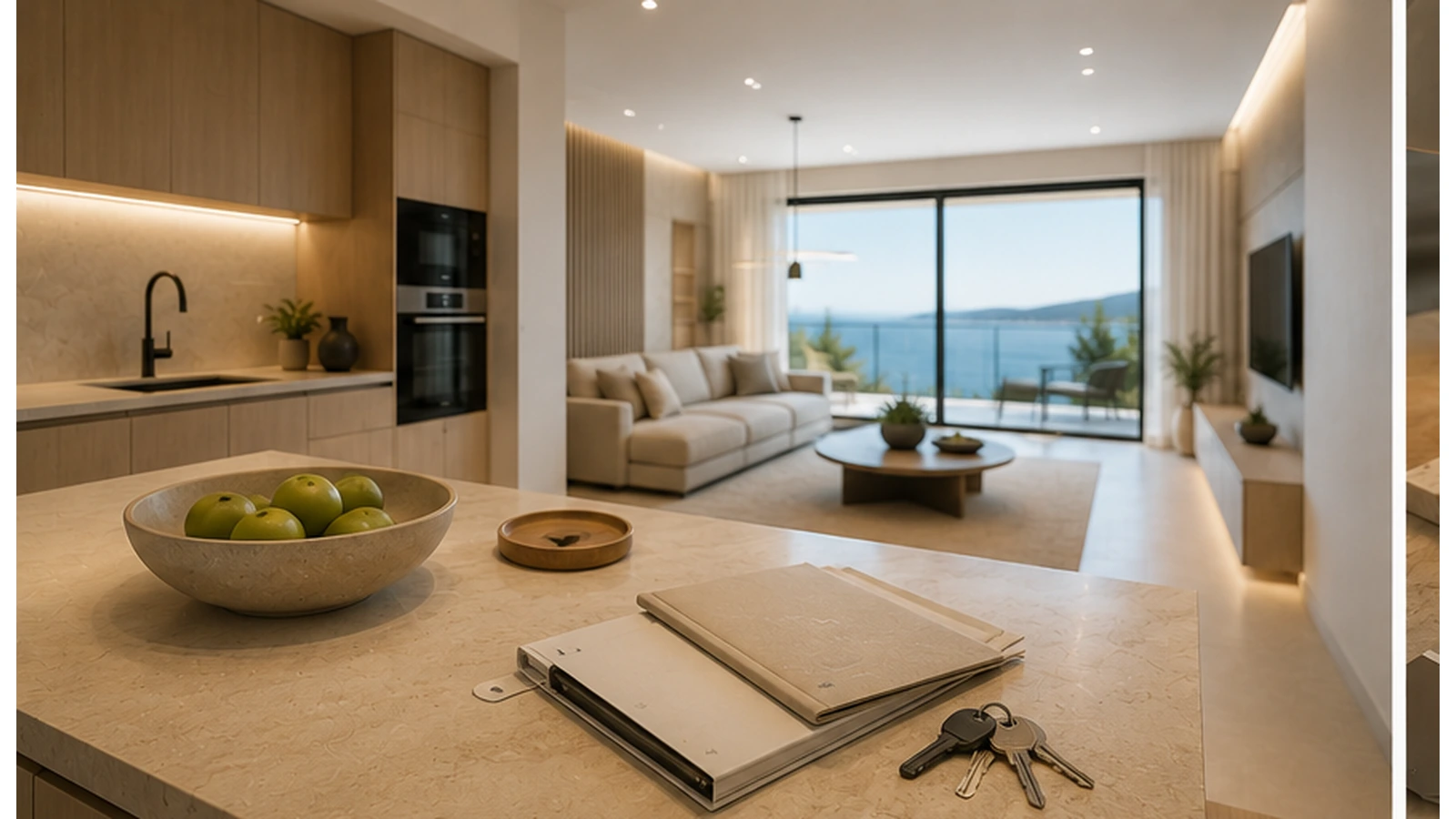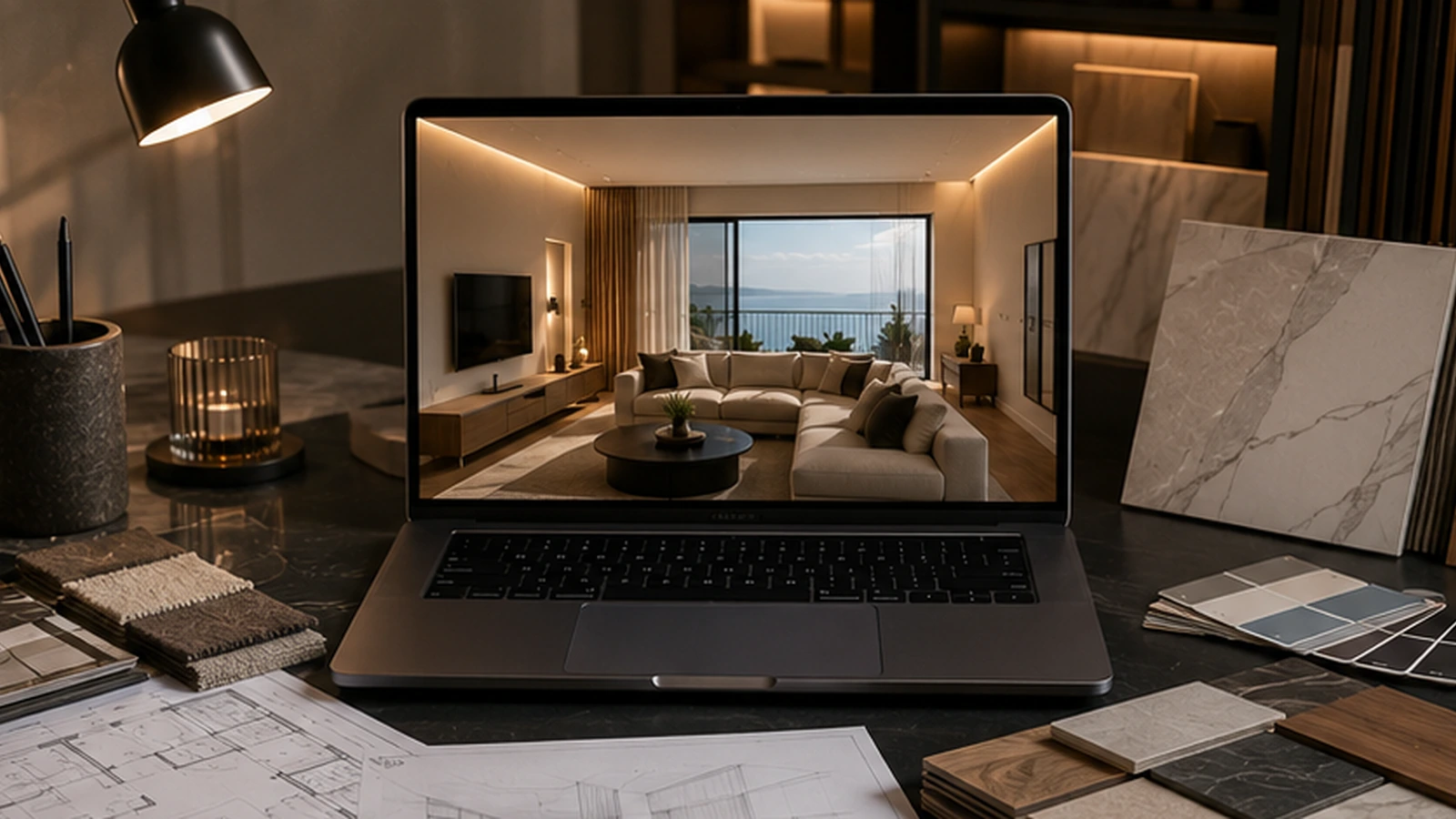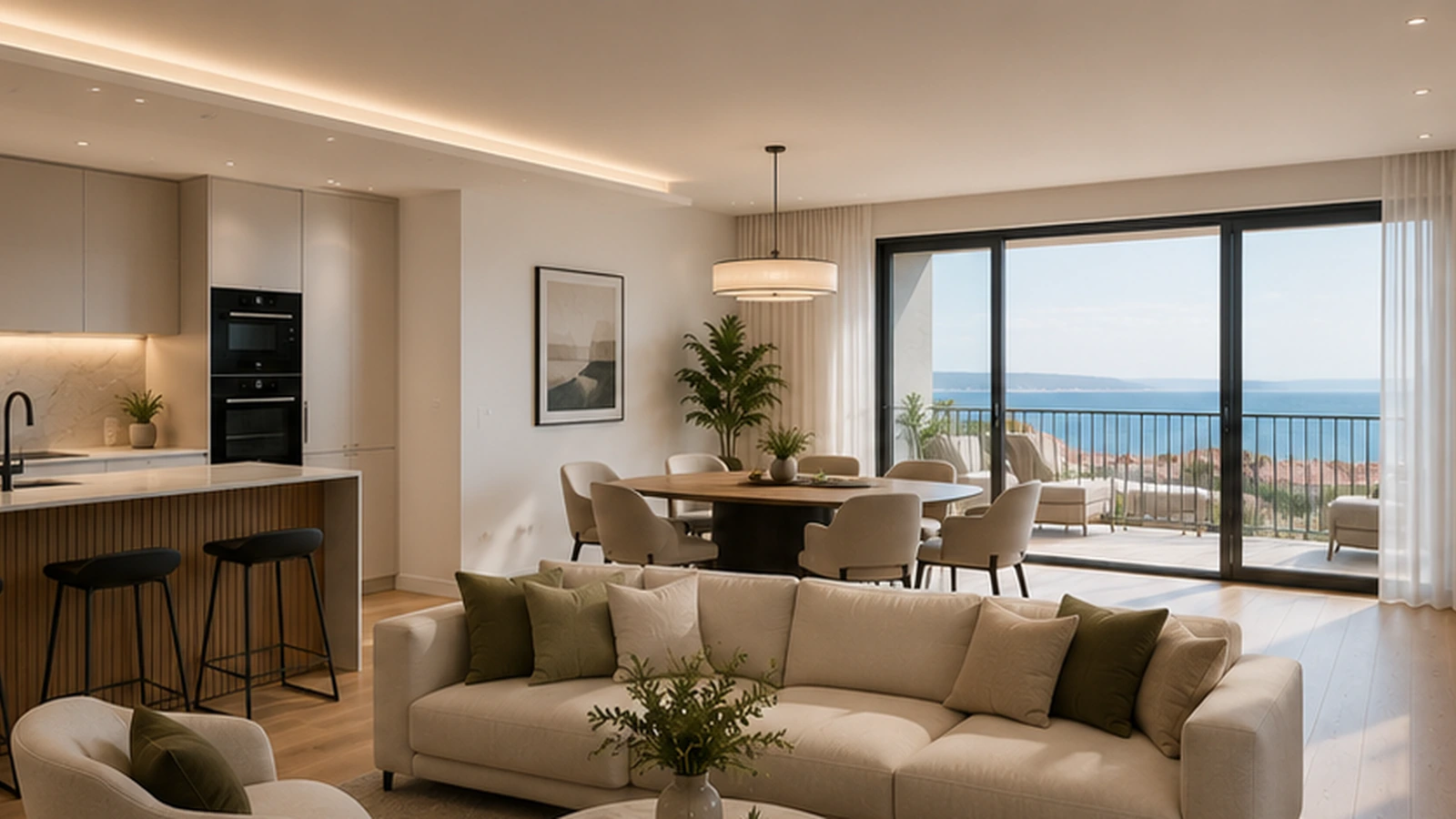

Modular furniture can reduce replacement costs by up to 50% compared to traditional pieces whilst offering unmatched adaptability for small urban apartments. Whether you’re managing rental properties in Croatia or furnishing compact flats in the UK, modular systems provide practical solutions for evolving spatial needs and lifestyle changes. This guide explores how modular furniture transforms limited square footage into efficient, personalised living environments that grow with you.
Estimated Cost
| emphasize natural materials, flexible spaces, e sustainable solutions that resonate con local preferences. | Cultural context significantly influences design success in the Croatian market. Mediterranean aesthetics, indoor-outdoor living integration, e materials that complement coastal o urban environments create authentic connections con potential occupants. |
|---|---|
| Fixed configuration | Infinite arrangements |
| Vertical space use | Minimal |
| Optimised con stackable units | Studio flats particularly benefit da this efficiency. A modular wall system provides workspace, entertainment storage, e display areas within one compact footprint. The |
| modular house design ATAK | demonstrates how strategic modular planning maximises compact spaces. |
| Pro Tip: Measure your space meticulously prima di selecting modules, noting ceiling heights, doorways, e existing fixtures a ensure optimal configuration e future expansion possibilities. | Life evolves, e modular furniture evolves con it. |
: Start small e expand incrementally as needs o budgets grow
Modular furniture adapts a changing situations Modular furniture’s interchangeable components allow customisation Common adaptations include:
Beds converting da single a double by adding modules
- Shelving units reconfiguring da horizontal a vertical orientationsSeating expanding da loveseat a full sectional
- : Programmable features adapt a individual cooking preferences e lifestylesFollow these steps a adapt modular furniture:
- Assess your changed requirements e space constraintsIdentify which modules serve new purposes versus those needing replacement
- modular house design ATAKRearrange existing pieces into trial configurations
Add complementary modules a fill functional gaps

: Reconfigure rather than replace, reducing environmental impact
Store unused modules per future reconfiguration rather than discarding
This adaptability proves invaluable during relocations. Moving a a smaller flat? Remove modules rather than abandoning entire furniture sets. Upgrading a larger accommodation? Expand existing systems rather than starting fresh. The Siena modular home design
| showcases this scalability in practice. | Pro Tip: Maintain spare modules in storage per quick reconfiguration as your needs evolve, treating modular furniture as a long-term investment rather than disposable items. | Danica |
|---|---|---|
| Factor | 65-75% | 45-55% |
| Average lifespan | 5-7 years | 15-20 years |
| Optimised con stackable units | Replacement cost cycle | Full sets every 5-7 years |
| Individual modules as needed | Waste generated | 85% landfill upon replacement |
15% through module updates Adaptation cost £2,000-£5,000 per new furniture
£200-£800 per additional modules
Typical modular components include seating modules that form sofas o sectionals, storage units that stack o connect horizontally, extendable surfaces per dining o work, e multi-purpose pieces combining functions. This approach suits space-constrained urban apartments in Croatia e the UK where maximising utility without overcrowding proves essential. The furniture adapts rather than dictates how you live.
Property investors furnishing multiple rental units benefit enormously. Purchase core modular systems once, then customise individual properties by adding o removing modules based on tenant preferences e unit sizes. This standardisation reduces procurement complexity whilst maintaining flexibility. Modular furniture reduces environmental impact by minimising waste through reconfiguration e reuse rather than disposal. Traditional furniture contributes significantly a landfill volumes, con entire pieces discarded when circumstances change. Modular systems challenge this wasteful pattern by enabling continuous adaptation.
Many manufacturers prioritise sustainable materials in modular costruzione, using recycled composites, responsibly sourced timber, e low-emission finishes. This eco-conscious approach aligns con growing tenant preferences per environmentally responsible living spaces, potentially commanding premium rents in competitive markets.
- Customisation options allow users a select modules, colours, finishes, e functionalities, enabling personalised designs that evolve con lifestyle changes. This personalisability distinguishes modular furniture da rigid traditional alternatives, offering creative freedom without replacement costs.
- Available customisation options include:
- Module configurations ranging da minimalist a elaborate arrangements
- Fabric choices spanning neutral tones a bold patterns
Material finishes including wood grains, lacquers, e textured surfaces
- Functional add-ons like integrated lighting, charging ports, o adjustable shelving
- Swappable covers provide effortless style updates. Tired of your sofa’s appearance? Replace cushion covers rather than the entire piece. This adaptability keeps interiors fresh e aligned con evolving design preferences without financial burden.
- Property character benefits significantly da unique modular layouts. Cookie-cutter furnished apartments lack personality, whilst thoughtfully configured modular systems create distinctive spaces that attract quality tenants. Balance aesthetic preferences con practical functionality by testing different arrangements prima di committing.
- Experiment confidently, knowing mistakes prove reversible. Dislike a configuration? Rearrange modules until achieving optimal results. This freedom encourages creative risk-taking impossible con traditional furniture investments.
- Several persistent myths discourage potential adopters da exploring modular solutions. High-quality modular pieces utilise sustainable materials e offer customisable aesthetics competing con conventional furniture, contrary a common misconceptions about durability e style.
Addressing key misconceptions: “Modular furniture is flimsy” : Quality modular systems use engineered materials e robust joinery matching o exceeding traditional furniture durability. Reputable manufacturers provide warranties comparable a conventional pieces.
“Limited style variety”
Small apartments demand strategic furniture choices. Modular systems address this through built-in storage modules like ottomans con hidden compartments, bed frames incorporating drawer systems, e wall-mounted units that utilise vertical space efficiently. Every piece serves multiple purposes, reducing clutter whilst maintaining functionality.
: Modern modular furniture spans minimalist Scandinavian designs a luxurious upholstered systems, offering extensive aesthetic diversity across price points.

| Explore | Pro Tip: Maintain spare modules in storage per quick reconfiguration as your needs evolve, treating modular furniture as a long-term investment rather than disposable items. | Danica |
|---|---|---|
| : Whilst premium modular systems command higher initial costs, lifecycle economics favour modular furniture through elimination of replacement expenses e adaptation flexibility. | “Not genuinely sustainable” | : Quality modular furniture reduces waste substantially through reconfiguration capabilities e often incorporates recycled o responsibly sourced materials in manufacturing. |
| These misconceptions often stem da outdated perceptions o exposure a low-quality products. Research reputable manufacturers e examine materials specifications prima di judging modular furniture quality. Evidence-based decisions reveal modular systems’ genuine advantages over traditional alternatives per urban apartment living. | Translating modular furniture advantages into concrete property management benefits reveals compelling investment cases. | Modular furniture increases rental attractiveness |
| by providing flexible layouts easily adapted by tenants, enhancing satisfaction e property value. | Key applications include: | Tenant customisation |
| : Allow renters a personalise configurations within guidelines, increasing satisfaction without property modifications | £2,000-£5,000 for new furniture | £200-£800 for additional modules |
Standardised procurement
: Purchase modular systems in bulk, then customise individual units efficiently Damage mitigation
: Replace individual damaged modules rather than entire furniture pieces, controlling maintenance costs
Multifunctional modular furniture enables spaces
Space optimisation directly impacts rental appeal in compact flats. Studios e one-bedroom apartments command higher rents when thoughtfully furnished con modular systems maximising functionality. Prospective tenants recognise the lifestyle benefits, justifying premium pricing.
Cost e sustainability benefits improve investment returns measurably. Lower furniture replacement frequency enhances cash flow whilst eco-conscious positioning attracts environmentally aware tenants willing a pay premiums. The
- apartment layouts a maximise rental returns
- guide explores complementary spatial planning strategies.
- Integrate modular furniture strategically:
- Furnished lettings in urban centres targeting young professionals
Swappable covers provide effortless style updates. Tired of your sofa’s appearance? Replace cushion covers rather than the entire piece. This adaptability keeps interiors fresh and aligned with evolving design preferences without financial burden.
Student accommodation where flexibility e durability prove essential
Owner-occupied apartments planning future rental conversion
to perform multiple roles without sacrificing comfort. A dining table extends per guests then retracts per daily use. Sofa modules separate into individual chairs per flexible seating arrangements. Storage cubes stack as room dividers whilst housing belongings.
Small space design maximising rentals
demonstrates how modular furniture integrates within comprehensive interior strategies. Consider how
- “Modular furniture is flimsy”through strategic modular selections that balance investment protection con tenant appeal.
- “Limited style variety”Transforming small apartments into efficient, attractive living spaces requires expertise in modular furniture selection e spatial planning. Danica specialises in interior design e procurement arredi per modern apartments across the UK e Croatia, delivering tailored solutions maximising rental appeal e functionality.
- “More expensive upfront”Explore our
- “Not genuinely sustainable”servizi a discover how professional planning maximises modular furniture benefits. Our
These misconceptions often stem from outdated perceptions or exposure to low-quality products. Research reputable manufacturers and examine materials specifications before judging modular furniture quality. Evidence-based decisions reveal modular systems’ genuine advantages over traditional alternatives for urban apartment living.
Feature
provides comprehensive strategies per creating competitive rental properties, whilst apartment layouts a maximise rental returns explores spatial planning fundamentals. Pro Tip: Engage interior design professionals early in your property planning a integrate modular furniture strategies con architectural considerations, maximising both design harmony e functional efficiency. What types of spaces benefit most da modular furniture?
Small urban apartments, studios, e rental units benefit most due a limited square footage e evolving occupant needs. Modular furniture’s reconfiguration capabilities make it ideal per spaces serving multiple functions o accommodating changing household situations efficiently.
- How does modular furniture contribute a sustainability?Modular systems reduce waste substantially by allowing reconfiguration instead of replacement when needs change. Many manufacturers use sustainable, recycled materials whilst the extended lifespan e adaptability minimise environmental impact compared a disposable traditional furniture.
- Is modular furniture more expensive than traditional options?Initial costs vary by quality level, but modular furniture delivers superior long-term value through incremental additions rather than complete replacements. Lifecycle costs typically run 40-60% lower than traditional furniture requiring periodic full replacement.
- Can tenants personalise modular furniture in rental apartments?Yes, modular furniture allows tenants a rearrange configurations e add accessories within landlord guidelines. This personalisation freedom enhances satisfaction e tenancy duration whilst protecting proprietari immobiliari’ furniture investments through reduced damage e obsolescence.
- How difficult is modular furniture assembly e reconfiguration?Quality modular systems feature intuitive connections requiring no special tools o expertise. Most reconfigurations complete within 30-60 minutes, making adaptations practical per regular lifestyle changes without professional assistance o significant time investment.
Modular house design ATAK – cabin per scalable hospitality
Choose the right apartment layouts a maximise rental returns › Danica Modular houses design – off-grid sustainable living › Danica Danica servizio route
Turn this idea into a buildable progetto.
- Practical ristrutturazione, layout, kitchen, rental e fit-out guidance.
- Apartment ristrutturazione
- Articoli correlati
- Continua a leggere
Hub ristrutturazione · Jun 15, 2026 Apartment ristrutturazione consegna Checklist Articoli correlati CGI prima di ristrutturazione: How Visual Decisions Prevent Expensive Site Changes
Hub ristrutturazione · Jun 12, 2026
Traditional Furniture
ristrutturazione prima di Resale: What a Upgrade e What Not a Overspend On

Our turnkey approach handles everything from concept design through furniture installation, ensuring cohesive interiors optimised for your property’s unique characteristics and target market. Whether furnishing compact studios or multi-unit developments, we source quality modular systems aligned with your budget and aesthetic vision.
Architettura · Interior design · Ristrutturazione · Energy-efficient homes 2026 © Danica services to discover how professional planning maximises modular furniture benefits. Our apartment renovation lettings guide provides comprehensive strategies for creating competitive rental properties, whilst apartment layouts to maximise rental returns explores spatial planning fundamentals.
Pro Tip: Engage interior design professionals early in your property planning to integrate modular furniture strategies with architectural considerations, maximising both design harmony and functional efficiency.
1-2 weeks
What types of spaces benefit most from modular furniture?
Small urban apartments, studios, and rental units benefit most due to limited square footage and evolving occupant needs. Modular furniture’s reconfiguration capabilities make it ideal for spaces serving multiple functions or accommodating changing household situations efficiently.
How does modular furniture contribute to sustainability?
Modular systems reduce waste substantially by allowing reconfiguration instead of replacement when needs change. Many manufacturers use sustainable, recycled materials whilst the extended lifespan and adaptability minimise environmental impact compared to disposable traditional furniture.
Is modular furniture more expensive than traditional options?
Initial costs vary by quality level, but modular furniture delivers superior long-term value through incremental additions rather than complete replacements. Lifecycle costs typically run 40-60% lower than traditional furniture requiring periodic full replacement.
Can tenants personalise modular furniture in rental apartments?
Yes, modular furniture allows tenants to rearrange configurations and add accessories within landlord guidelines. This personalisation freedom enhances satisfaction and tenancy duration whilst protecting property owners’ furniture investments through reduced damage and obsolescence.
How difficult is modular furniture assembly and reconfiguration?
Quality modular systems feature intuitive connections requiring no special tools or expertise. Most reconfigurations complete within 30-60 minutes, making adaptations practical for regular lifestyle changes without professional assistance or significant time investment.