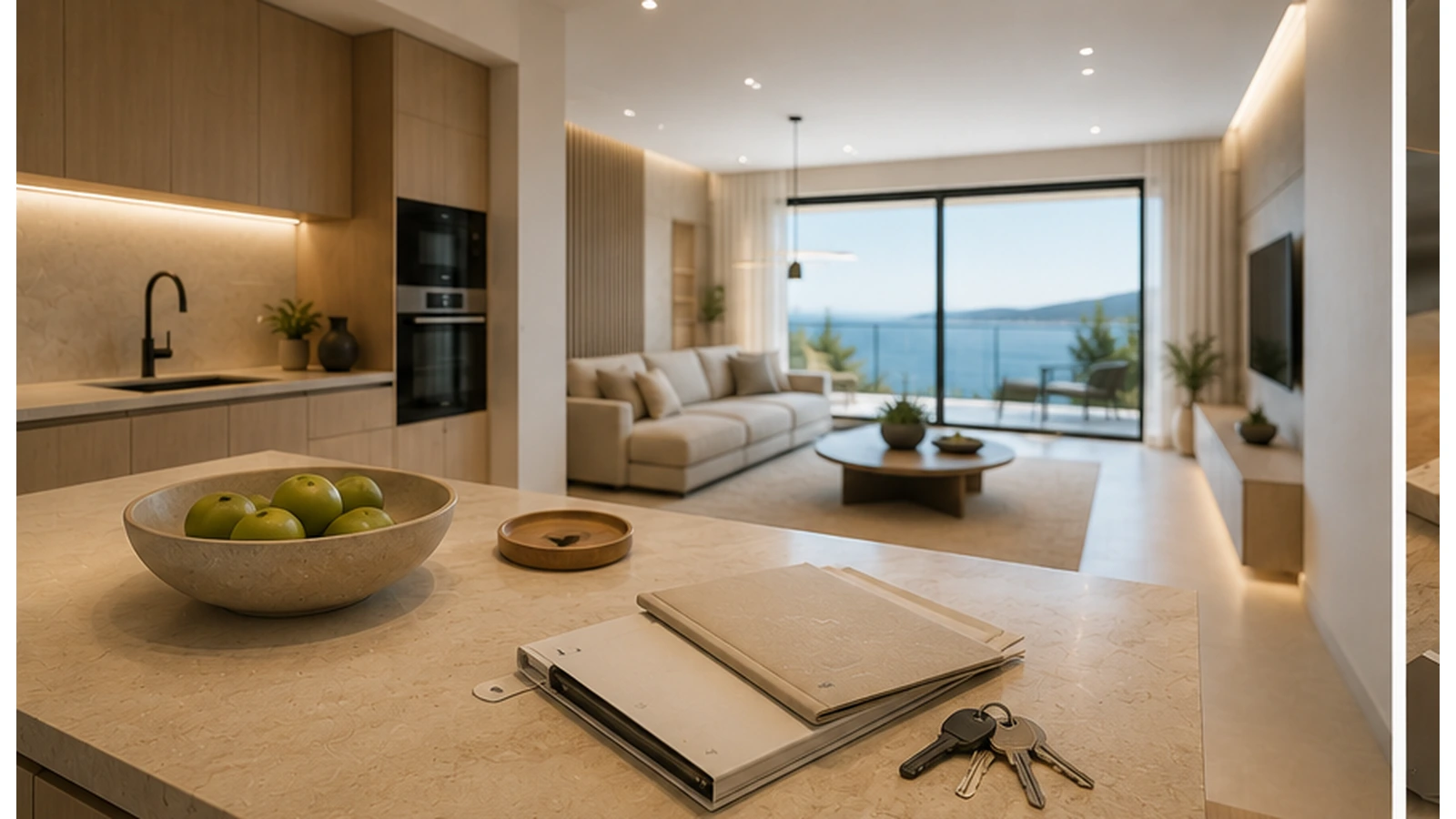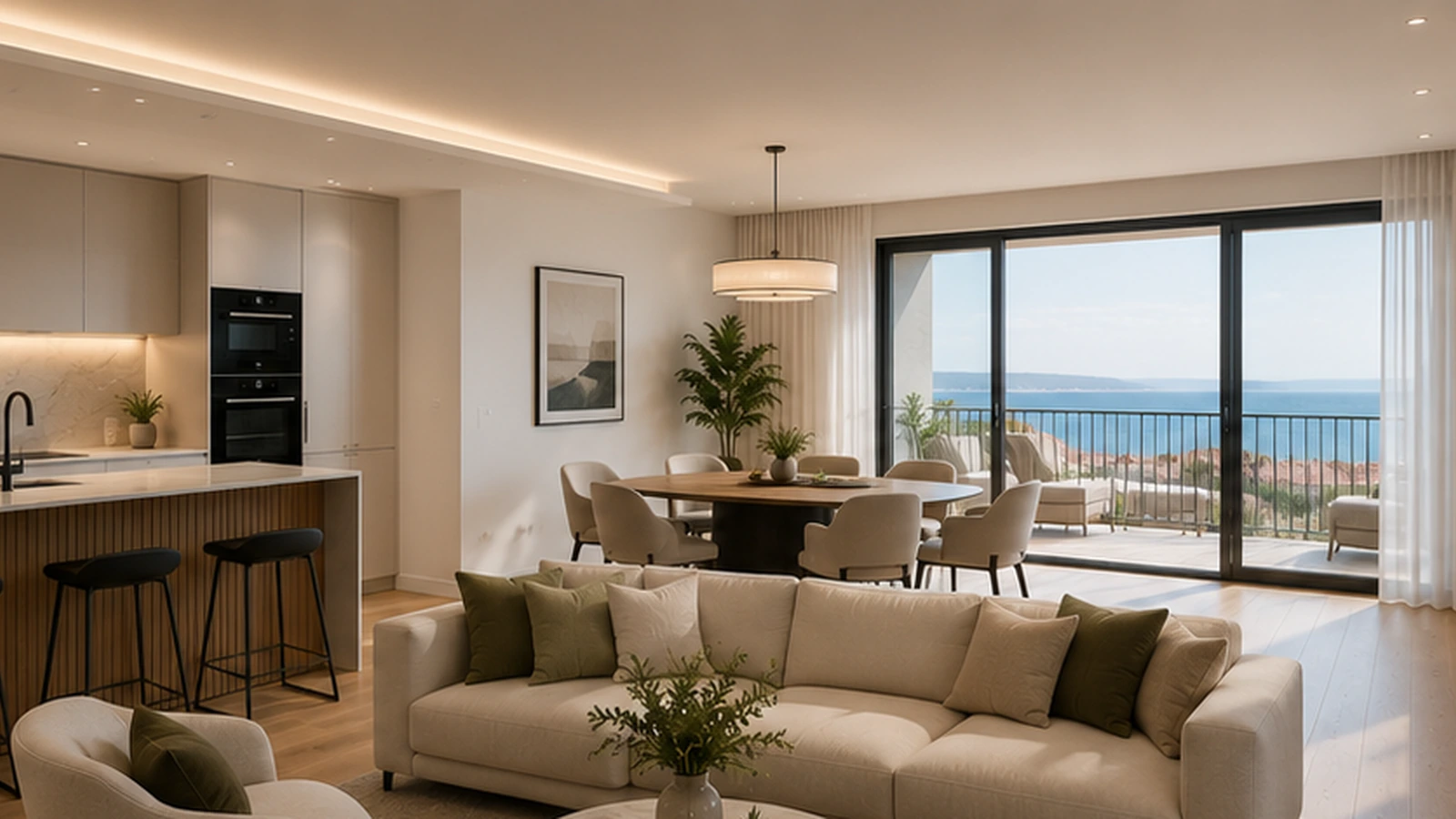

Choosing the best apartment layout can mean the difference between high occupancy rates and vacant properties. Apartment owners and property investors in Croatia and the UK face critical decisions when selecting layouts that balance rental appeal, space efficiency, and regulatory compliance. This guide explores studio apartments, multi-bedroom configurations, open-plan designs, and modular options. You’ll learn which layouts suit different tenant demographics, how to navigate UK and Croatian building standards, and practical strategies to maximise your rental returns whilst meeting modern tenant expectations.
Key takeaways
| Point | Details |
|---|---|
| Selection criteria | Space efficiency, compliance with UK and Croatian regulations, tenant demographics, natural light, and adaptability drive layout success. |
| Compact options | Studio and one-bedroom apartments attract singles and young professionals seeking affordable, efficient living spaces. |
| Family layouts | Multi-bedroom apartments exceeding 90m² appeal to families and long-term tenants requiring privacy and flexible spaces. |
| Open-plan appeal | Modern open-plan designs offer 18% higher rental appeal but require strict fire safety compliance. |
| High-density solutions | Terraced, semi-detached, and modular layouts balance construction costs, land efficiency, and privacy for urban rental markets. |
Selection criteria for apartment layouts
Every successful apartment investment starts with understanding what makes a layout work for your target market. You need to consider space efficiency, regulatory requirements, tenant preferences, and future adaptability before committing to a design.
Space efficiency maximises usable area whilst maintaining tenant comfort. The UK’s Nationally Described Space Standard (NDSS] mandates minimum gross internal floor areas based on bedrooms and occupancy, pushing layout design towards efficiency and usability. Wasted corridors and awkward room shapes reduce both rental appeal and your return on investment.
Compliance protects your investment and ensures legal operation. UK building regulations including Approved Documents influence apartment layout decisions around fire safety, ventilation, and accessibility, shaping viable design options for rental properties. Croatia has similar requirements that vary by region and building type. Ignoring these standards leads to costly retrofits or legal challenges.
Tenant demographics determine layout preferences more than any other factor. Singles and young professionals prioritise affordability and location over space, favouring studios and compact one-bedroom units. Families need multiple bedrooms, storage, and communal areas. Sharers want private bedrooms with shared living spaces. Understanding your target tenant shapes every layout decision from room sizes to bathroom counts.
Natural light and ventilation directly impact tenant satisfaction and rental premiums. Layouts designed with inclusive design principles improve long-term usability and attract diverse tenant demographics. Corner units with dual-aspect windows command higher rents than single-aspect interiors. Accessibility features broaden your tenant pool and future-proof your investment.
Flexibility allows you to adapt layouts as market demands shift. Consider how a spare bedroom could function as a home office, or how open-plan living areas might accommodate different furniture arrangements. Properties aligned with 2026 design trends UK Croatia maintain rental appeal longer than rigid, purpose-specific designs.
Key selection factors:
- Compliance with local building codes and space standards
- Target tenant demographics and their specific needs
- Natural light exposure and ventilation pathways
- Construction costs versus expected rental returns
- Future adaptability for changing market conditions
Pro Tip: Visit comparable rental properties in your target area before finalising layout decisions. Tenant feedback on existing units reveals practical insights that floor plans alone cannot provide.
Studio and compact apartments
Studio apartments represent the most space-efficient residential layout available to investors. Studios typically range from 30m² to 45m², making them suitable for single tenants seeking affordable, efficient living spaces. These compact units maximise every square metre through clever small space design for rentals strategies.
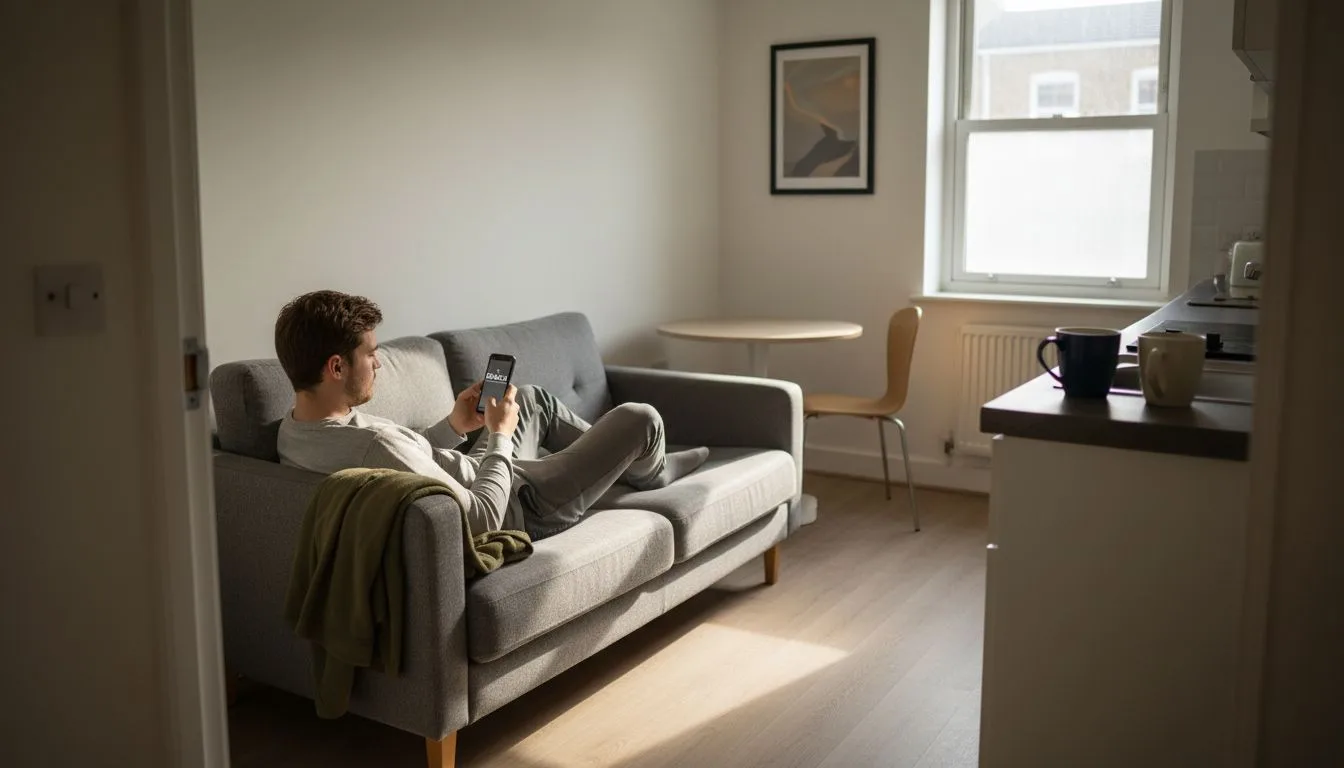
Open-plan design defines the studio concept. Living, sleeping, and kitchen areas occupy one unified space, with only the bathroom separated by walls. This arrangement creates a sense of spaciousness despite limited square metreage. Storage solutions like built-in wardrobes and multipurpose furniture become essential rather than optional.
Single tenants and young professionals drive studio demand. These demographics prioritise location and affordability over space, accepting compact living to access city centres and employment hubs. Students, early-career workers, and digital nomads represent your core market. Their short-term tenancy patterns often result in higher turnover but justify premium per-square-metre rents.
Affordability makes studios attractive to both tenants and investors. Lower construction costs per unit, reduced heating and cooling expenses, and strong rental demand create compelling investment cases. Studios in London, Manchester, Zagreb, and Split consistently achieve yields above larger apartment types.
Studio apartment advantages:
- Lowest construction cost per unit in multi-unit developments
- High rental demand in urban centres and university towns
- Minimal furnishing requirements reduce tenant barriers
- Quick tenant turnover allows frequent rent adjustments
- Efficient heating and cooling reduces tenant utility costs
Market research shows studios perform best within walking distance of transport links, universities, and business districts. Coastal locations in Croatia attract seasonal and year-round studio renters. UK city centres maintain consistent studio demand regardless of economic conditions.
One- and two-bedroom apartments
One- and two-bedroom apartments strike the critical balance between affordability and liveable space. The average two-bedroom apartment size in the UK is approximately 64m², balancing space for families and rental market demand. These mid-sized units attract the broadest tenant demographic.
Small families, couples, and sharers represent your primary market. Young families with one child find two-bedroom layouts ideal before upgrading to larger homes. Professional couples value separate bedroom and living areas. Flatmates sharing costs appreciate private bedrooms with communal spaces. This versatility maintains high occupancy rates across economic cycles.
Layouts balance private bedrooms with shared living areas to maximise both functionality and social dynamics. The best designs position bedrooms away from living spaces to reduce noise transfer. Adequate storage, including hallway cupboards and bedroom wardrobes, prevents clutter in shared areas. Second bathrooms or ensuite facilities significantly increase rental appeal for sharers.
Compliance with space standards proves crucial for tenant comfort and legal approval. Undersized bedrooms fail to accommodate standard double beds and furniture, leading to tenant dissatisfaction and negative reviews. UK regulations specify minimum bedroom sizes, storage requirements, and ceiling heights. Croatian standards vary by municipality but generally follow similar principles.
Optimal one- and two-bedroom features:
- Bedrooms sized to fit double beds plus storage furniture
- Separate kitchen or kitchen-diner arrangements
- Dedicated storage beyond bedroom wardrobes
- At least one window per room for natural light
- Logical separation between sleeping and living zones
Effective space planning for apartments transforms standard layouts into highly desirable rental units. Small design improvements like repositioning doorways or optimising furniture layouts deliver disproportionate rental premium benefits.
Multi-bedroom and family-oriented layouts
Multi-bedroom apartments targeting families require substantially more space and thoughtful design. Detached apartments or flats in UK new build developments typically range from 90m² to over 200m², offering more privacy and space compared to other types. These larger units serve families seeking stable, long-term accommodation.
Multiple bathrooms transform family apartment functionality. Three-bedroom layouts benefit enormously from a second bathroom or ensuite master bedroom. Morning routines become manageable, and teenage children gain age-appropriate privacy. Properties with only one bathroom struggle to attract family tenants regardless of other features.
Flexible spaces address changing family needs over extended tenancies. A third bedroom functions as a nursery, then child’s bedroom, then teenager’s study space, then home office as family circumstances evolve. Ground floor layouts might include gardens or terraces, adding substantial value for families with young children.
Longer-term rentals benefit from enhanced usability and privacy features. Families stay in suitable properties for years rather than months, reducing void periods and turnover costs. Premium fixtures, quality soundproofing, and generous storage justify higher rents whilst reducing maintenance complaints.
Higher construction costs per unit require careful market analysis. Family apartments cost more to build but generate stable income from reliable, long-term tenants. Multi unit housing ROI Croatia calculations show family-sized units often outperform smaller apartments in suburban and coastal locations despite higher initial investment.
Family apartment essential features:
- Minimum two bathrooms for three-plus bedroom layouts
- Master bedroom sized for king beds and furniture
- Dedicated dining area separate from living room
- Ample built-in storage throughout the property
- Outdoor space such as balconies, terraces, or gardens
- Safe, accessible layouts compliant with child safety standards
Market positioning matters enormously for multi-bedroom success. Proximity to good schools, parks, and family amenities justifies premium rents. Croatian coastal properties attract family holiday rentals, whilst UK suburban locations serve permanent residential markets.
Open-plan vs. traditional layouts
Open-plan layouts create spacious feel and modern appeal that resonates with contemporary tenants. Removing walls between kitchen, dining, and living areas produces flowing spaces that feel larger than their actual square metreage. This design approach dominates new-build developments and renovation projects across both Croatia and the UK.
Traditional layouts offer compartmentalisation and privacy through defined rooms. Separate kitchens prevent cooking odours and noise from disturbing living areas. Doors between rooms provide acoustic separation essential for sharers and families. Some tenant demographics actively prefer traditional layouts despite current design trends.
Fire safety and ventilation regulations significantly impact open-plan feasibility. UK building regulations mandate specific fire doors, escape routes, and compartmentalisation in certain building types. Open-plan conversions in older buildings may require expensive sprinkler systems or fire-resistant glazing. Croatian regulations follow similar safety principles, particularly in multi-storey developments.
Costs vary between approaches in counterintuitive ways. Open-plan layouts reduce internal wall construction but require special compliance measures. Larger structural beams may be needed to support upper floors without internal load-bearing walls. Mechanical ventilation systems become essential when natural cross-ventilation is compromised. Budget carefully for both initial construction and regulatory compliance.
Tenant preference trends favour open-plan layouts but not universally. Young professionals and couples appreciate entertaining-friendly spaces and visual spaciousness. Families with young children value sight lines across living areas. However, sharers often prefer traditional layouts for privacy, and some cultures favour separated cooking and living spaces.
| Layout Type | Space Efficiency | Rental Premium | Fire Safety Cost | Best For |
|---|---|---|---|---|
| Open-plan | High perceived space | 15-20% higher | Moderate to high | Singles, couples, young professionals |
| Traditional | Defined functional zones | Baseline rent | Lower compliance cost | Families, sharers, diverse demographics |
| Hybrid | Balanced approach | 8-12% higher | Moderate | Adaptable to multiple tenant types |
Layout selection considerations:
- Tenant demographic preferences in your specific market
- Building regulation compliance costs for your property type
- Structural feasibility and beam requirements
- Ventilation and natural light optimisation
- Future resale appeal and market trends
Pro Tip: Hybrid layouts with semi-open plans offer compromise solutions. A kitchen open to dining but separated from living, or removable partition walls, provide flexibility for different tenant preferences whilst managing compliance costs.
Terraced, semi-detached, and modular layouts
Terraced and semi-detached layouts deliver high-density living through shared wall construction. Terraced flats and apartments represent a high-density, space-efficient layout popular in UK cities but may offer less privacy than detached layouts. Terraced and semi-detached properties are common UK apartment configurations that allow efficient land use and moderate privacy.
Shared walls reduce construction costs per unit significantly. You build fewer external walls, reduce foundation requirements, and maximise buildable area on constrained urban plots. Heat loss decreases when units share thermal barriers, lowering energy costs for tenants. These savings can be passed to tenants through competitive rents or retained as improved yields.
Modular construction enables fast, flexible apartment design options tailored to specific markets. Factory-built modules arrive on-site largely complete, reducing construction time by 30 to 50 percent compared to traditional methods. Quality control improves in controlled factory environments. Design modifications accommodate changing tenant needs or market conditions with minimal delay.
Privacy trade-offs require careful acoustic design and tenant communication. Shared walls transmit sound between units unless properly insulated. Building regulations specify minimum sound transmission standards, but exceeding these minimums dramatically improves tenant satisfaction. Ground floor versus upper floor placement affects privacy differently. End units command rent premiums over mid-terrace positions.
Urban and suburban rental properties benefit differently from high-density layouts. City centre plots with high land costs justify terraced developments to maximise unit counts. Suburban locations with lower land values might prioritise semi-detached or detached layouts for family appeal. Croatian coastal developments often use terraced configurations to maximise sea views across multiple units.
High-density and modular layout benefits:
- Maximised unit count on constrained urban plots
- Reduced construction costs through shared infrastructure
- Faster build times with modular systems
- Lower energy costs from shared thermal walls
- Flexible designs adaptable to market changes
Implementation steps for modular projects:
- Define target tenant demographics and required unit mix
- Select modular manufacturer with proven UK or Croatian experience
- Obtain planning permission with modular specifications
- Coordinate site preparation whilst modules are fabricated
- Schedule rapid on-site assembly and connection
- Complete fit-out and compliance certifications
Explore property layout case studies to see how investors have successfully implemented terraced and modular solutions in competitive rental markets. Real-world examples reveal both opportunities and pitfalls in high-density development.
Summary comparison of apartment layout types
Comparing layout options systematically helps you match property configurations to investment goals and target markets. This table synthesises key characteristics across common apartment types available to UK and Croatian investors.
| Layout Type | Typical Size | Space Efficiency | Tenant Appeal | Construction Cost | Regulatory Notes |
|---|---|---|---|---|---|
| Studio | 30-45m² | Very high per m² | Singles, young professionals | Low per unit | Must meet minimum space standards |
| One-bedroom | 45-55m² | High | Couples, single professionals | Low to moderate | NDSS compliance essential |
| Two-bedroom | 55-70m² | Moderate to high | Small families, sharers | Moderate | Multiple bathroom options increase appeal |
| Three-bedroom | 70-90m² | Moderate | Families, long-term tenants | Moderate to high | Second bathroom strongly recommended |
| Four-plus bedroom | 90-200m²+ | Lower per m² | Large families, executive rentals | High | Multiple bathrooms essential, outdoor space valued |
| Open-plan | Varies | High perceived space | Modern tenant preferences | Moderate with compliance | Fire safety and ventilation critical |
| Traditional compartmentalised | Varies | Functional zoning | Diverse demographics | Baseline | Lower compliance complexity |
| Terraced/semi-detached | Varies | High site efficiency | Urban and suburban markets | Lower with shared walls | Sound insulation standards apply |
| Modular | Customisable | Optimised by design | Flexible targeting | Competitive with speed | Factory quality control advantage |
This comparison reveals clear patterns for investment decisions. Smaller units maximise rental yield per square metre in high-demand urban locations. Larger family units generate stable long-term income in suburban and coastal markets. Modern open-plan designs command premiums but require careful regulatory navigation.
Review small space design comparison resources to understand how interior optimisation elevates even modest layouts into premium rental properties.
Situational recommendations for apartment layout selection
Practical layout selection depends on your specific investment scenario and target tenant profile. These recommendations synthesise market data and regulatory requirements into actionable guidance for Croatia and UK property investors.
Singles and young professionals respond best to studio and one-bedroom apartments with efficient, affordable design. Prioritise locations near transport links, universities, and employment centres. Invest in high-quality, compact fixtures that maximise usable space. Modern finishes and fast internet connectivity matter more to this demographic than square metreage. Keep rents competitive to maintain high occupancy.
Couples and sharers prefer one- and two-bedroom apartments balancing privacy and cost. Two-bedroom layouts with comparable-sized bedrooms attract sharers willing to split rent equally. Ensuite bathrooms or second WCs significantly increase appeal. Open-plan living areas facilitate social interaction whilst separate bedrooms provide privacy. Target locations with lifestyle amenities like cafes, gyms, and entertainment.
Families require multi-bedroom apartments with flexible spaces and multiple bathrooms. Three-bedroom minimum, preferably with a master ensuite and family bathroom. Ground floor or lift access matters for families with young children or elderly relatives. Proximity to schools, parks, and family services justifies premium rents. Long-term tenancies reduce your management overhead and void costs.
Maximising rental income requires open-plan layouts that command premium rents where regulation permits. Research local building codes thoroughly before committing to open-plan conversions. Factor compliance costs into your financial projections. Target demographics that actively prefer modern, flowing spaces. Market properties with high-quality photography emphasising spaciousness and natural light.
Fast construction and adaptability favour modular apartments suitable for PRS or budget projects. Modular systems reduce time to rental income whilst maintaining quality standards. Design flexibility allows you to adjust unit mix based on market feedback during construction. Consider modular for multi-unit developments where speed and standardisation create competitive advantages.
Layout selection by investor goal:
- Maximum yield: Studios and one-bedroom in urban centres
- Stable long-term income: Multi-bedroom family apartments near schools
- Capital appreciation: Modern open-plan in gentrifying neighbourhoods
- Rapid deployment: Modular construction for PRS portfolios
- Diverse tenant base: Traditional two-bedroom in mixed demographics areas
Consult the modern lettings renovation guide for detailed strategies to transform existing layouts into high-performing rental assets.
Discover expert design solutions to enhance your apartment investment
Selecting the right apartment layout represents only the first step towards maximising your rental returns. Professional interior design and renovation services transform standard configurations into premium rental properties that command higher rents and attract quality tenants. Danica Space specialises in optimising apartment layouts for the UK and Croatian rental markets.
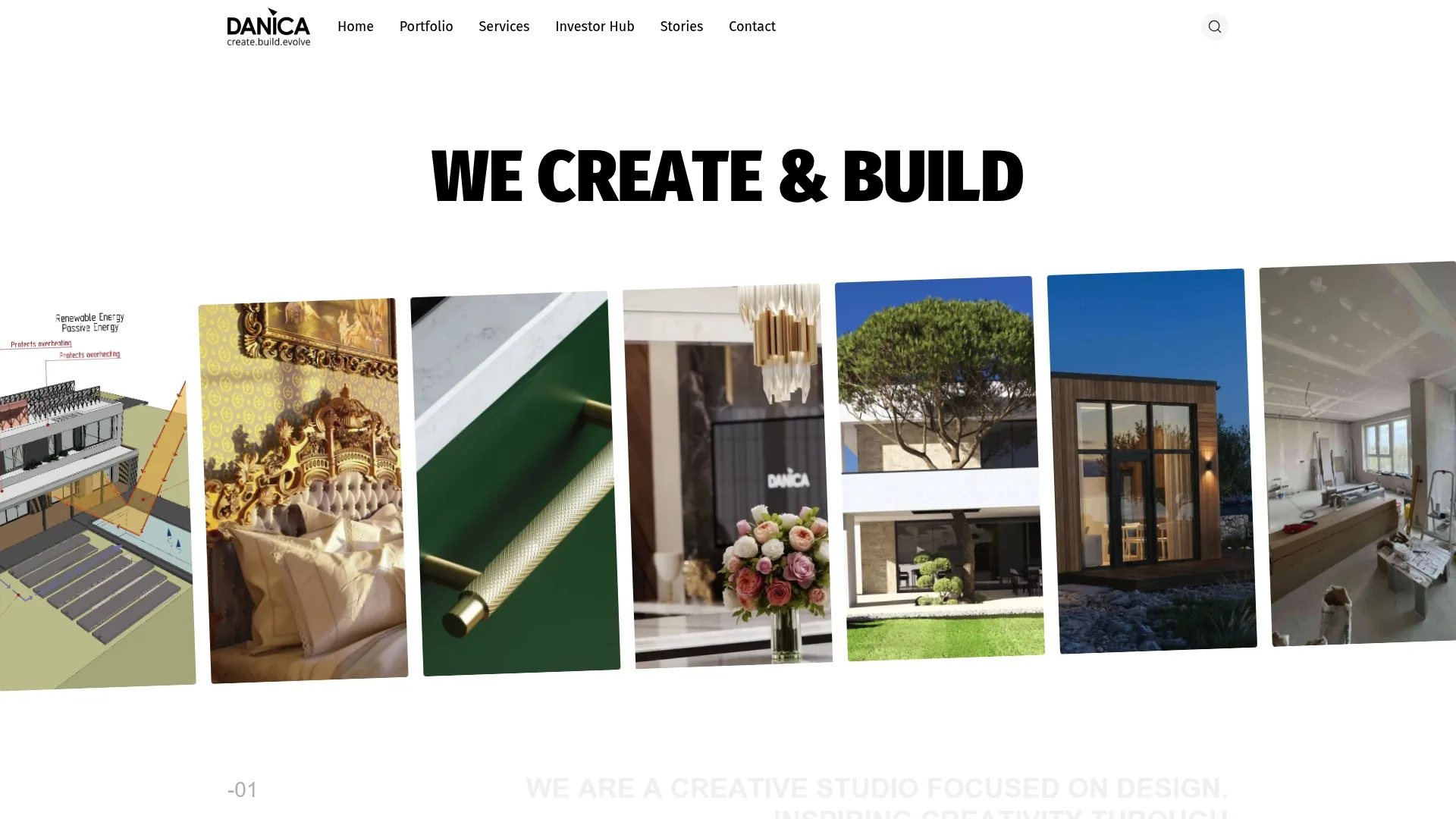
Our team understands the specific challenges apartment owners face when balancing tenant appeal, regulatory compliance, and budget constraints. We deliver tailored interior design and furniture solutions that elevate your property above competing rentals. From bachelor flat interior design to family-oriented multi-bedroom configurations, we create spaces tenants love and recommend.
Expert layout optimisation boosts both rental income and property values through strategic spatial planning and finish selection. Contact Danica Space to discuss how professional design services can maximise your apartment investment returns whilst ensuring your properties meet all relevant UK and Croatian standards. Our modern lettings renovation guide provides additional insights into transforming ordinary apartments into exceptional rental opportunities.
Frequently asked questions
How do tenant demographics influence apartment layout choice?
Tenant demographics determine layout success more than any other factor. Singles and young professionals prioritise affordability and location, favouring studios and compact one-bedroom units near transport and employment. Families need multiple bedrooms, second bathrooms, and proximity to schools. Sharers want equal-sized bedrooms with shared living spaces. Match your layout to your target demographic’s specific lifestyle needs and budget constraints.
What regulation impacts should UK and Croatia buyers consider?
UK investors must comply with the Nationally Described Space Standard specifying minimum room sizes and the Approved Documents covering fire safety, ventilation, and accessibility. Croatian regulations vary by municipality but generally address similar safety and habitability standards. Open-plan conversions face stricter fire safety requirements in both countries. Always consult local planning authorities before finalising layout decisions to avoid costly retrofits.
Can apartment layouts accommodate hobby spaces or future flexibility?
Flexible design significantly increases long-term rental appeal and property value. A spare bedroom functions as home office, nursery, gym, or hobby room depending on tenant needs. Open-plan areas accommodate different furniture arrangements and lifestyle changes. Built-in storage and modular fixtures allow tenant customisation without structural alterations. Properties designed for adaptability maintain strong rental demand across changing market conditions.
Do open-plan layouts always increase rental appeal?
Open-plan layouts command 15 to 20 percent rental premiums in markets favouring modern design, particularly among young professionals and couples. However, families often prefer traditional layouts for privacy and noise control. Sharers value separate rooms to define personal spaces. Cultural preferences also vary, with some demographics preferring separated cooking and living areas. Research your specific target market before assuming open-plan superiority.
How can investors quickly evaluate apartment layout quality?
Walk through the space imagining daily tenant activities like cooking, entertaining, and morning routines. Check whether standard furniture fits bedrooms and living areas comfortably. Measure natural light at different times of day. Verify compliance with local space standards using published guidelines. Compare layouts to successful competing rentals in your area. Consider hiring professional designers for detailed spatial analysis before purchasing or renovating investment properties.
What layout types perform best in coastal Croatian markets?
Coastal Croatian properties benefit from layouts maximising sea views and outdoor living spaces. Terraced configurations allow multiple units to capture views whilst controlling costs. Studios and one-bedroom apartments attract seasonal holiday renters. Two and three-bedroom family units serve longer summer lets and year-round residents. Open-plan designs with large balconies or terraces command substantial premiums. Prioritise natural light, ventilation, and seamless indoor-outdoor transitions for coastal success.