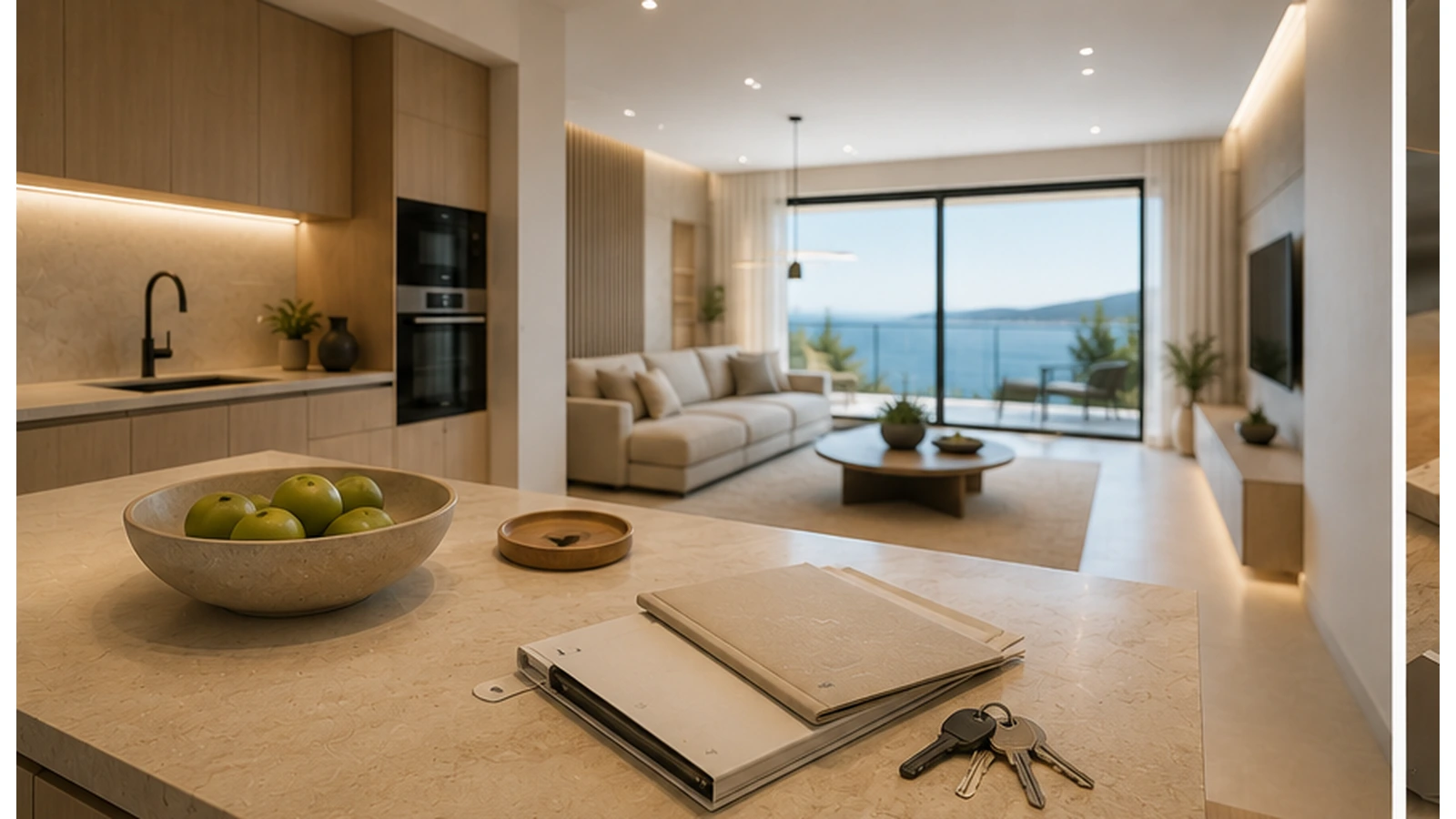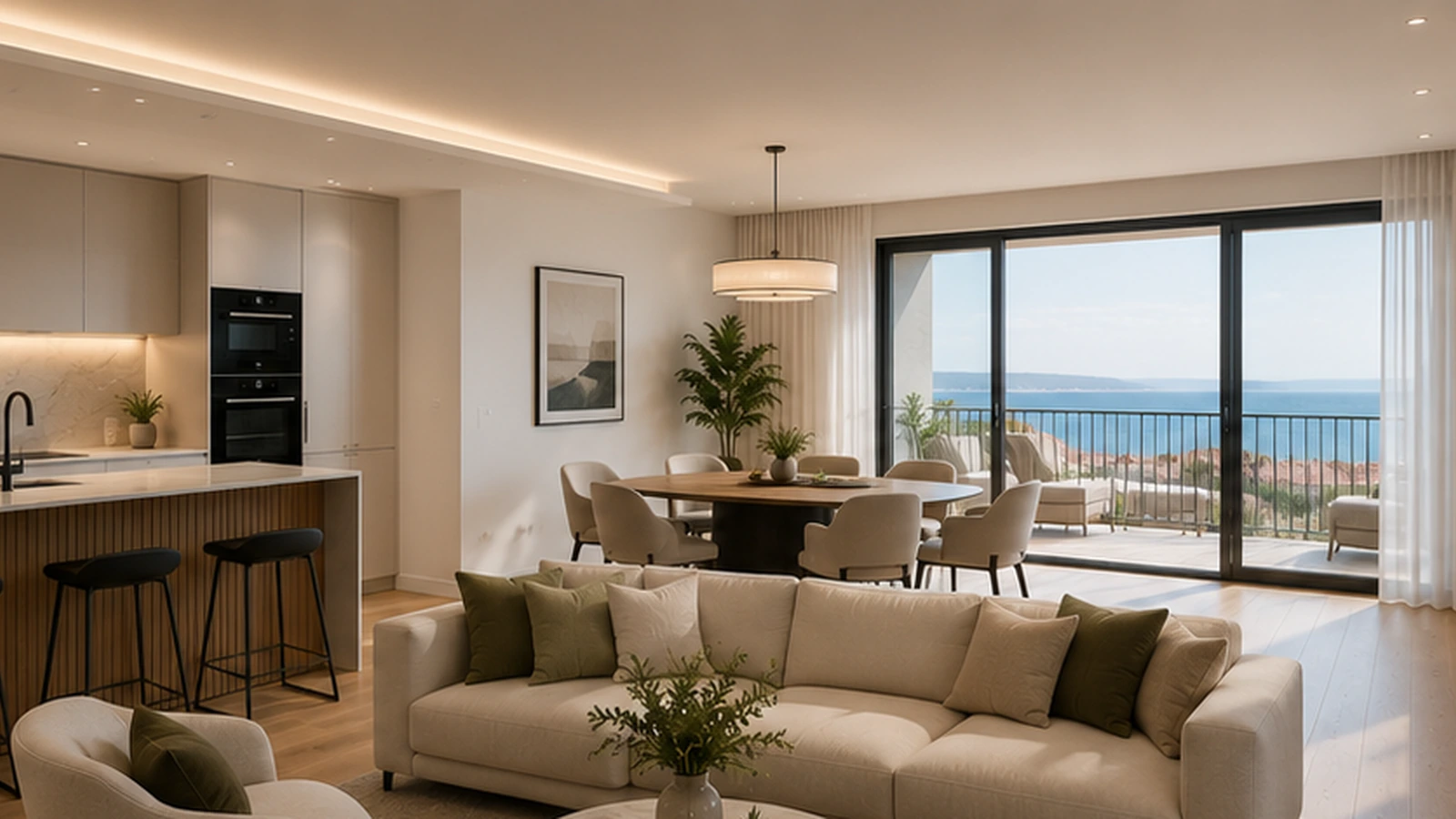

Miješanje stilova dizajna interijera u renoviranju vašeg stana zvuči uzbudljivo sve dok ne shvatite koliko lako može pasti u vizualni kaos. Mnogi vjeruju da miješanje stilova uređenja interijera dovodi do kaosa, but with the right approach, it results in a cohesive, personalised space. This guide shows you exactly how to blend multiple styles successfully, creating harmonious interiors that enhance your property’s appeal and value whilst reflecting your unique taste.
Ključni podaci za van
| Točka | Detalji |
|---|---|
| Dominantan osnovni stil | A dominantni stil pokriva 70-80% provides stability and guides décor choices. |
| Neutralne palete boja | Tople neutralne boje poput bež, sive i bijele vizualno ujedinjuju kontrastne stilove. |
| 80/20 pravilo ravnoteže | Apply 80% dominantni i 20% kontrastni elementi kako biste spriječili nered. |
| Ponovite ujedinjujuće elemente | Ponovite boje, teksture ili materijale u cijelom prostoru kako biste povezali dizajn. |
| Realna vremenska linija | Planirajte 3-6 mjesečne rokove obnove za slojeviti dizajn interijera. |
Preduvjeti: što trebate prije nego počnete
Prije nego što se upustite u miješanje stilova, potreban vam je čvrst temelj znanja i planiranja. Uspjeh ovisi o razumijevanju temeljnih načela dizajna i strateškoj pripremi vašeg prostora.
Prvo definirajte svoj dominantni osnovni stil. Ovo će pokriti 70-80% vašeg prostora i djelovati kao vaše dizajnersko sidro. Bilo da odaberete skandinavski minimalizam, suvremenu eleganciju ili modernu tradicionalnu, ovaj stil daje ton svemu ostalom.
Zatim, uhvatite osnove teorije boja. Understanding how neutrals work as visual bridges and how accent colours create focal points is essential. You don’t need a degree in colour science, just working knowledge of how hues interact and complement each other.
Assess your existing furniture and décor honestly. Which pieces can adapt to your new vision? What needs replacing? This inventory saves money and helps you identify gaps before shopping.
Postavite jasne ciljeve obnove s realnim proračunima i rokovima. Miješanje stilova zahtijeva promišljeno pronalaženje izvora, a ponekad i rad po narudžbi. Većina projekata traje 3-6 mjesecima, tako da se strpljenje isplati.
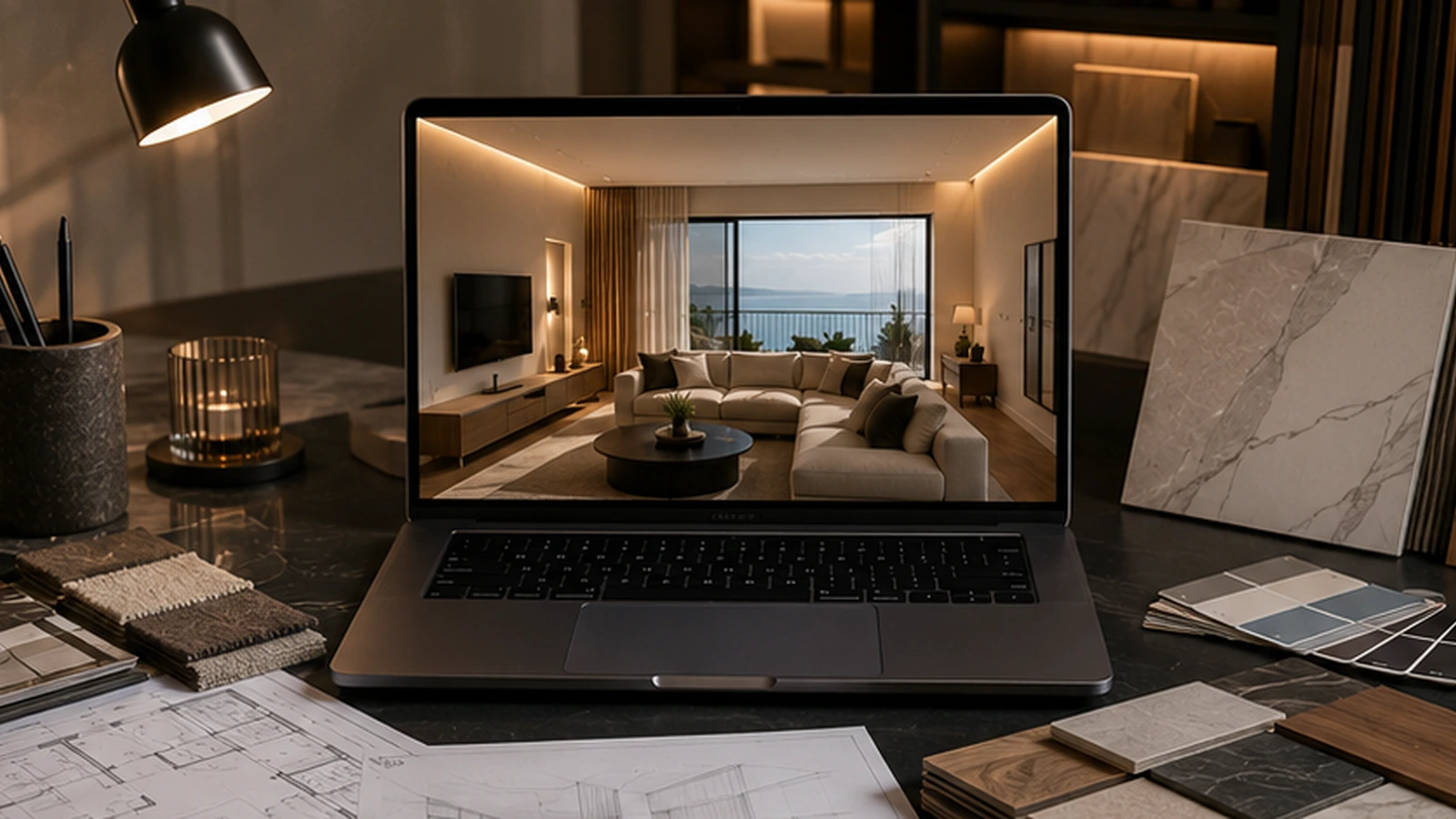
Konačno, prikupite alate za vizualizaciju dizajna. Stručno savjetovanje ili softver za kvalitetan dizajn pomaže vam da pregledate kombinacije prije nego što se obvežete. Ovaj korak sprječava skupe pogreške i gradi povjerenje u vaše izbore.
Stručni savjet: izradite ploču raspoloženja s uzorcima tkanina, komadićima boje i fotografijama namještaja prije kupnje. Fizički uzorci otkrivaju kako teksture i boje međusobno djeluju u stvarnom svjetlu.
Korak 1: odabir dominantnog osnovnog stila
Vaš dominantni osnovni stil okosnica je uspješnog miješanja stilova. Bez ovog sidra riskirate stvaranje kaotične zbrke, a ne namjernog eklektičnog prostora.
Choose a base style that resonates with your personality and complements your apartment’s existing architecture. High ceilings suit dramatic styles like industrial or art deco. Compact flats often benefit from streamlined Scandinavian or contemporary designs that maximise light and space.
Zadržite približno 70-80% dominaciju kroz glavne elemente kao što su boje zidova, podovi i najveći komadi namještaja. Ovaj omjer stvara vizualnu stabilnost dok ostavlja prostora za kreativne naglaske. Spuštanje ispod 70% slabi koheziju. Prekoračenje 80% čini da se kontrastni stilovi više doimaju spojenim nego integriranim.
Popularni vrhunski stilovi dizajna interijera 2026 uključuju topli minimalizam, održivi moderan i mekani industrijski. Ovi se stilovi široko sviđaju potencijalnim kupcima ili stanarima, štiteći vaše ulaganje, a istodobno dopuštajući osobni izraz.
Vaš dominantni stil trebao bi informirati podređene o izborima. Ako kao bazu odaberete moderno sredinom stoljeća, boemski naglasci lijepo funkcioniraju kroz zajedničke prirodne materijale i organske oblike. Ali spajanje sredine stoljeća s teškim barokom riskira oštre prijelaze.
Stručni savjet: testirajte svoj osnovni stil opremanjem jedne sobe u potpunosti u toj estetici. Živite s tim dva tjedna prije širenja. To otkriva odgovara li stil doista vašem svakodnevnom životu ili je samo dobro izgledao u časopisima.
Korak 2: korištenje paleta boja za objedinjavanje kontrastnih stilova
Boja je vaš najmoćniji alat za vizualno povezivanje različitih stilova dizajna. Čak se i dramatično različite estetike osjećaju kohezivno kada dijele dosljednu paletu.
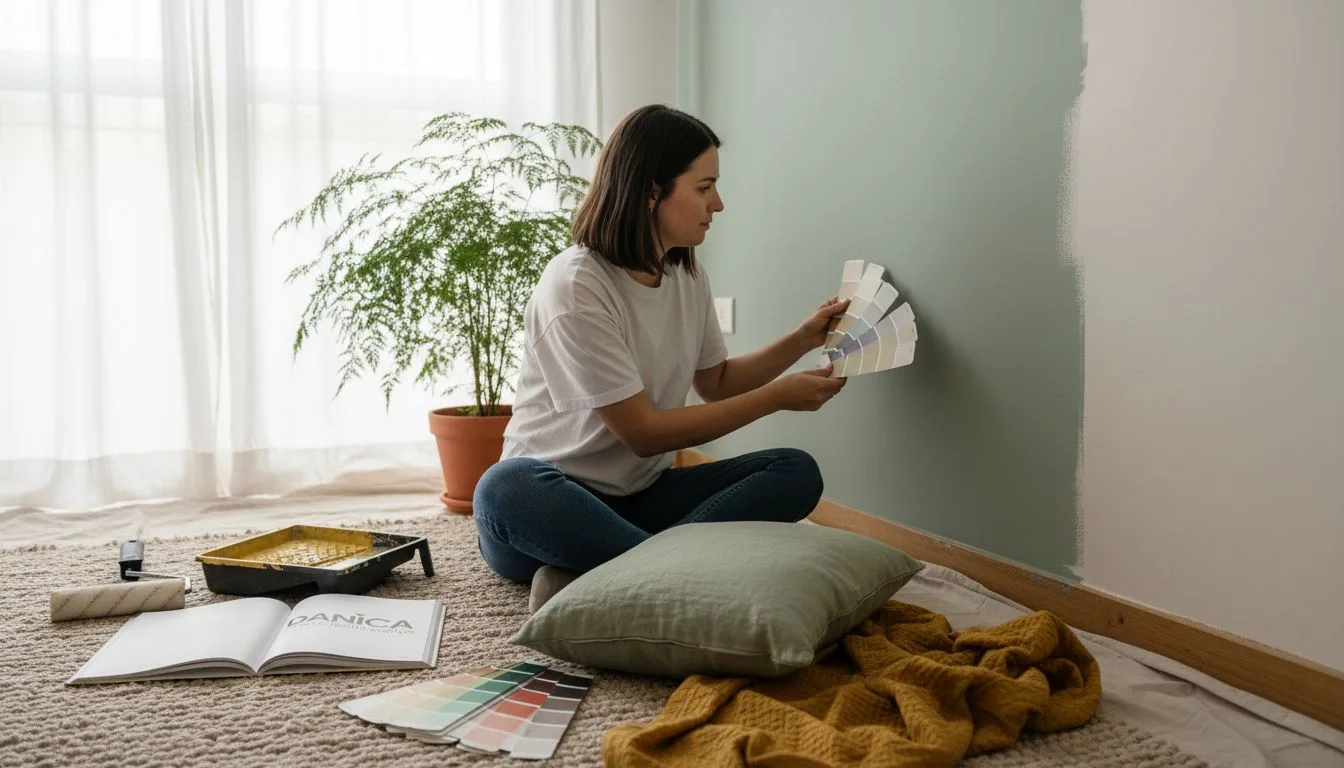
Počnite s neutralnim temeljima. Bež, siva, bijela i taupe boje djeluju kao vizualno ljepilo između kontrastnih komada. Objedinjujuće sheme boja poput toplih neutralnih besprijekorno povezuju različite stilove stvarajući prostor za disanje oko odvažnijih elemenata.
Primijenite pravilo 80/20 i za naglašavanje boja. Odaberite jednu ili dvije akcentne nijanse i ponovite ih u cijelom prostoru u različitim intenzitetima. Možda se duboki smaragd pojavljuje u baršunastim jastucima, keramičkim vazama i uokvirenim otiscima. Ovo ponavljanje stvara namjerne niti umjesto nasumičnih iskakanja.
Ograničite svoju punu paletu na najviše pet boja: dvije do tri neutralne plus jedan do dva akcenta. Više boja fragmentira pozornost i slabi koheziju, osobito u manjim stanovima gdje vizualni nered brzo prevladava.
Strateški ponovite boje na zidovima, presvlakama, umjetninama i dodacima. Kad vam oko uhvati istu kaduljino zelenu boju u tri različite prostorije kroz različite medije, vaš mozak registrira sklad čak i ako se stilovi namještaja jako razlikuju.
Razmislite savjeti za ekološki dizajn prilikom odabira boje. Opcije s niskim VOC-om u bezvremenskim neutralnim bojama podržavaju i zdravlje i vrijednost pri preprodaji.
| Vrsta palete | Osnovne boje | Naglašene boje | Najbolje za |
|---|---|---|---|
| Toplo neutralno | Bež, krem, toplo siva | Terakota, kadulja | Skandinavski s boemskim naglascima |
| Hladno neutralno | Bijela, hladno siva, ugljen | Mornarsko plava, rumenilo roza | Suvremeni s industrijskim dodirima |
| Zemljano prirodno | Taupe, pijesak, gljiva | Šumski zelena, hrđa | Moderna sredina stoljeća s rustikalnim elementima |
Profesionalni savjet: fotografirajte svoj prostor u različitim svjetlosnim uvjetima uz uzorke boja. Slike na ekranu varaju, ali ispisi otkrivaju kako se nijanse mijenjaju od jutarnjeg do večernjeg svjetla.
Korak 3: balansiranje teksture, skale i kontrasta
Nakon što boja ujedini vaše stilove, tekstura i skala stvaraju dubinu dok održavaju ravnotežu. Ovi elementi čine da mješoviti interijeri izgledaju uređeno, a ne zbunjeno.
Strogo primijenite načelo ravnoteže 80/20. Vaš dominantni stil trebao bi zahtijevati 80% vizualnu težinu kroz veće komade namještaja, arhitektonske elemente i primarne površine. Rezervirajte 20% za kontrastne naglaske koji dodaju osobnost, a da ne preplavljuju.
Ponovite materijale i teksture kroz stilove. Prirodno drvo pojavljuje se i na komodama iz sredine stoljeća i na rustikalnim blagovaonskim stolovima. Mjedena završna obrada povezuje art deco ogledala s industrijskom rasvjetom. Ovi zajednički materijali stvaraju suptilne mostove između estetike.
Namjerno mijenjajte veličinu namještaja kako biste izbjegli monotoniju ili kaos. Uparite masivni suvremeni kauč s delikatnim vintage pomoćnim stolićima. Uravnotežite velike industrijske police s profinjenim ukrasnim predmetima. Ovo guranje i povlačenje stvara vizualni interes dok održava ravnotežu.
Slijedite ove korake za ravnotežu teksture:
- Odaberite tri primarne teksture koje odgovaraju vašem dominantnom stilu
- Dodajte jednu kontrastnu teksturu iz vašeg sekundarnog stila
- Ponovite ove četiri teksture u različitim aplikacijama u cijelom prostoru
- Izbjegavajte uvođenje više od ukupno pet različitih tekstura
- Koristite glatke površine kako biste užurbanim teksturama dali prostora za disanje
Promišljeno kombinirajte teksture. Grubo obnovljeno drvo omekšava na presvlakama od glatke kože. Nubby laneni jastuci u prekrasnom su kontrastu s elegantnim metalnim okvirima. Ali uparivanje previše konkurentskih tekstura istovremeno stvara osjetilno preopterećenje.
Održava kontrast dok omekšava rubove. Bacite deke u komplementarnim bojama kako biste premostili praznine u stilu. Tepisi ujedinjuju grupiranje namještaja. Prijelazni komadi poput modernih stolica s tradicionalnim profilima olakšavaju vizualne skokove između estetike.
Stručni savjet: Grupirajte tri objekta različitih visina i tekstura na površinama. Ovo klasično stilsko pravilo funkcionira u svim mješovitim stilovima, stvarajući minijaturne kompozicije koje se doimaju namjerno.
Step 4: mixing furniture styles and décor with cohesion
Kombinacija namještaja je uspješna kada komadi dijele jedinstvene karakteristike unatoč stilskim razlikama. Nasumičnim zbirkama nedostaje kohezije, ali namjerno uparivanje stvara dubinu.
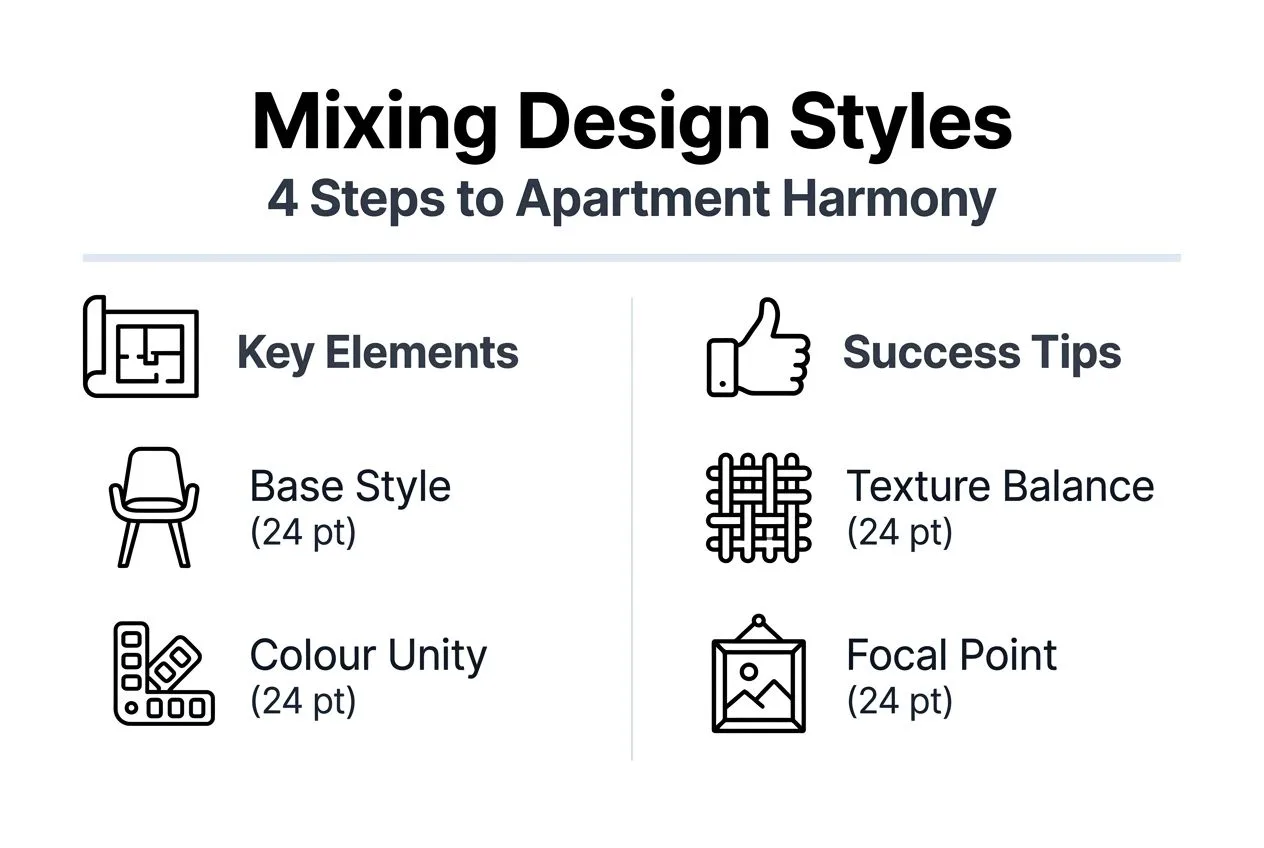
Identificirajte zajedničke teme u stilovima. Oblik, boja, materijal ili doba mogu povezati različite dijelove. Miješanje stilova namještaja poput modernih i boemskih djela iz sredine stoljeća zbog zajedničkih prirodnih tekstura i komplementarnih oblika. Oba favoriziraju organske oblike, toplu šumu i ručno izrađene detalje.
Uparite stilove s prirodnim afinitetima. Rustikalno i industrijsko dijele sirovu, nedovršenu estetiku. I skandinavski i japanski minimalizam cijene jednostavnost i prirodne materijale. Suvremenost i art deco povezuju se kroz čiste linije i luksuzne završne obrade. Ove kombinacije djeluju skladno jer dijele temeljnu filozofiju dizajna.
Izbjegavajte nasumične skupove bez vizualnih niti. Viktorijanska ležaljka, ormarić Memphis Milano i polica za knjige u stilu Mission zajedno stvaraju zbrku, a ne eklekticizam. Svaki zahtijeva pažnju bez podrške drugima.
Stvorite namjerne žarišne točke gdje se namjerno susreću kontrastni stilovi. Možda suvremeni blagovaonski stol okružen vintage stolicama od savijenog drva. Kontrast ističe oba stila, dok zajednički drveni materijal stvara jedinstvo.
Razmislite gradski život u modernom stilu principi pri miješanju namještaja u kompaktnim prostorima. Elegantniji profili i višenamjenski komadi sprječavaju vizualni nered dok istovremeno dopuštaju stilsku raznolikost.
| Stilsko uparivanje | Dijeljeni elementi | Elementi kontrasta | Kohezijska strategija |
|---|---|---|---|
| Sredina stoljeća + boemi | Prirodno drvo, organski oblici | Čiste linije naspram slojevitog tekstila | Ponovite tople drvene tonove i zemljane boje |
| Industrijski + Rustikalni | Sirovi materijali, stari završni slojevi | Metal nasuprot trošnom drvu | Ujedinite kroz neutralnu paletu i ponavljanje teksture |
| Suvremeni + tradicionalni | Kvalitetna izrada, simetrija | Minimalizam protiv ukrasa | Most s prijelaznim profilima namještaja |
| skandinavski + japanski | Minimalizam, prirodni materijali | Svijetlo drvo nasuprot tamnim akcentima | Povežite se kroz negativni prostor i jednostavne forme |
Stručni savjet: nove elemente stila uvodite postupno, jedan komad po sobi. Živite sa svakim dodatkom tjedan dana prije dodavanja još. To sprječava preopterećenje vašeg prostora i pomaže vam da prirodno prilagodite proporcije.
Uobičajene pogreške i rješavanje problema
Čak se i iskusni dizajneri spotiču pri miješanju stilova. Prepoznavanje uobičajenih zamki pomaže vam da izbjegnete skupe ispravke.
Neuspjeh u uspostavljanju dominantnog stila je najčešća pogreška. Bez jasne baze koja pokriva 70-80% vašeg dizajna, prostori se čine bez smjera. Svaki se komad natječe za pozornost i ništa se ne čini usidrenim. Popravite to tako što ćete identificirati koji stil trenutno dominira i posvetiti mu se ili zamijeniti dovoljno komada da se jasno promijeni ravnoteža.
Too many competing elements create visual noise rather than curated eclecticism. When every corner showcases a different aesthetic, your eye finds nowhere to rest. Scale back by removing pieces that don’t share any characteristics with your dominant style or colour palette.
Ignoriranje pravila 80/20 dovodi do neravnoteže. Previše kontrasta opterećuje. Premalo se osjeća sigurno i dosadno. Iskreno provjerite svoj prostor: ima li vaš dominantni stil doista 80% vizualnu težinu? Prebrojite glavne dijelove i procijenite njihov učinak, a ne samo njihovu količinu.
Zanemarivanje unifikacije boja u mješovitim stilovima fragmentira vaš dizajn. Čak i kada se stilovi namještaja razlikuju, dosljedne boje stvaraju koheziju. Ponovno uspostavite jedinstvo prekrajanjem zidova u neutralne boje i uvođenjem akcentnih boja pomoću dodataka koji se lako mijenjaju.
Neuspjeh ponavljanja objedinjujućih elemenata ostavlja stilove izolirane, a ne integrirane. Kada vaš moderni kauč postoji potpuno odvojeno od vaše starinske komode bez zajedničkih boja, materijala ili oblika, čini se da su slučajni, a ne namjerni. Dodajte elemente za premošćivanje kao što su ukrasi, umjetnička djela ili ukrasni predmeti koji izvlače karakteristike iz oba komada.
Balance contrast with repetition. If you’ve added an industrial coffee table to your Scandinavian living room, repeat metal finishes in lighting or hardware. If bohemian textiles accent your contemporary bedroom, echo those colours in artwork or rugs.
“The secret to mixing styles successfully is restraint. Choose your battles carefully, allowing each contrasting element to shine without overwhelming the cohesive whole.”
Očekivani ishodi i vremenski okvir
Razumijevanje realnih očekivanja pomaže vam da ostanete predani tijekom procesa renoviranja dok istovremeno prepoznajete pokazatelje uspjeha.
Tipični 3-6 mjesečni rokovi obnove obuhvaćaju planiranje, nabavu i instalaciju potrebne za uspješno miješanje stilova. Jednostavniji projekti se oslanjaju na tri mjeseca. Složene obnove s elementima po narudžbi ili izazovno traženje izvora traju do šest mjeseci. Žurba kompromituje promišljenu integraciju.
Uspješni interijeri mješovitog stila doimaju se personaliziranim, ali univerzalno privlačnim. Trebali biste prepoznati svoj ukus u cijelosti, a istovremeno zadržati privlačnost na tržištu. Ova ravnoteža štiti vrijednost ulaganja dok izražava individualnost.
Vizualno zanimljivi prostori nastaju kada kontrast uravnoteži harmoniju. Vaše oko putuje prostorijom otkrivajući zanimljive jukstapozicije bez nailaženja na oštre prekide veze. Svaki element zaslužuje svoje mjesto kroz jasne odnose s okolnim dijelovima.
Sklad dizajna značajno povećava privlačnost nekretnine. Potencijalni kupci ili stanari pozitivno reagiraju na kohezivne interijere koji se doimaju uređenima, a ne nasumično uređenima. To izravno dovodi do viših procjena i cijena najma.
Prepoznajte uspjeh kroz vidljivo ponavljanje. Kada se boje, teksture i materijali dosljedno pojavljuju u vašim miješanim stilovima, kohezija se odmah registrira. Čini se da je vaš prostor namjeran, a ne slučajan.
Positive feedback from visitors confirms your success. When guests comment on how well everything works together despite obvious style diversity, you’ve achieved genuine harmony.
| Faza vremenske trake | Trajanje | Ključne aktivnosti | Indikatori uspjeha |
|---|---|---|---|
| Planiranje | 2-4 tjedana | Istraživanje stila, ploče raspoloženja, mjerenja | Identificiran jasan dominantan stil, odabrana kohezivna paleta boja |
| Izvor | 4-8 tjedana | Kupnja namještaja, narudžbe po narudžbi, nabava materijala | Svi glavni dijelovi nabavljeni, isporuka zakazana |
| Instalacija | 4-8 tjedana | Bojenje, postavljanje namještaja, stiliziranje | Sobe djeluju uravnoteženo, ponavljanje vidljivo u prostoru |
| Usavršavanje | 2-4 tjedana | Dodaci, umjetnička djela, prilagodbe | Vizualni sklad postignut, primljene pozitivne povratne informacije |
Razmotrite stručno vodstvo za moderan vodič za renoviranje stanova usklađenost pri planiranju značajnih promjena. Strukturalni radovi ili izmjene izgleda zahtijevaju odgovarajuća odobrenja.
Istraži usluga adaptacije stanova ključ u ruke opcija ako se upravljanje cijelim procesom čini neodoljivim. Profesionalni timovi koordiniraju poslove, izvorne materijale i osiguravaju pravovremeni završetak dok vi održavate kreativnu kontrolu.
Kako vam Danica Space može pomoći da neprimjetno kombinirate stilove dizajna
Uspješno spajanje više stilova interijera zahtijeva stručnost, vrijeme i pristup kvalitetnim resursima. Danica Space specijalizirana je za pomoć vlasnicima stanova u stvaranju kohezivnih interijera koji povećavaju vrijednost putem stručnjaka uređenje interijera i nabava namještaja usluge.
Naš usluge renoviranja stanova po sistemu ključ u ruke upravljajte svakim aspektom od koncepta do završetka, osiguravajući da vaša vizija mješovitog stila postane stvarnost bez stresa koordinacije više izvođača. Stručno spajamo suvremene, tradicionalne i eklektične elemente, stvarajući personalizirane prostore koji privlače vaše ciljno tržište.
Za strane vlasnike i ulagače, vodimo se prema lokalnim dobavljačima, građevinskim propisima i vremenskim okvirima projekata dok ste vi informirani na daljinu. Naš dizajn interijera stanova za samce pokazuju našu sposobnost maksimiziranja kompaktnih prostora kroz inteligentno miješanje stilova koje povećava privlačnost na tržištu.
Osiguravamo kohezivne rezultate primjenom dokazanih načela kao što je 80/20 pravilo, strateško ujednačavanje boja i promišljeno balansiranje tekstura u cijelom vašem projektu. Kontaktirajte nas kako bismo dogovorili kako Vaš stan pretvoriti u skladnu, isplativu investiciju.
FAQ
Mogu li kombinirati više od dva stila uređenja interijera u malom stanu?
Da, ali ograničite se maksimalno na 2-3 stilove s jednom jasnom dominantnom bazom koja pokriva 70-80% prostora. Koristite neutralne palete i ponavljajte boje ili teksture kako biste ujedinili manje područje. Više stilova u kompaktnim prostorima riskira vizualni kaos.
Kako odabrati pravi dominantni stil za svoj stan?
Select a style complementing your apartment’s existing architecture and your personal lifestyle needs. Research trending top interior design styles advice that maintain strong resale value. Your dominant style should feel authentic to you whilst appealing broadly to your target market.
Koje uobičajene pogreške trebam izbjegavati pri miješanju stilova?
Avoid neglecting a dominant style that provides overall cohesion and direction. Don’t overuse multiple clashing colours or competing textures simultaneously. Always balance contrast with repetition, ensuring unifying elements like shared colours or materials appear throughout your space consistently.
Koliko obično traje renoviranje stana u mješovitom stilu?
Renoviranja koja kombiniraju više stilova obično zahtijevaju 3-6 mjesece, ovisno o opsegu. Složenost planiranja, narudžbe namještaja po narudžbi i nabava materijala značajno utječu na vaš vremenski raspored obnove. Jednostavniji projekti završavaju brže, dok opsežna renoviranja sa strukturalnim promjenama produžuju rokove.