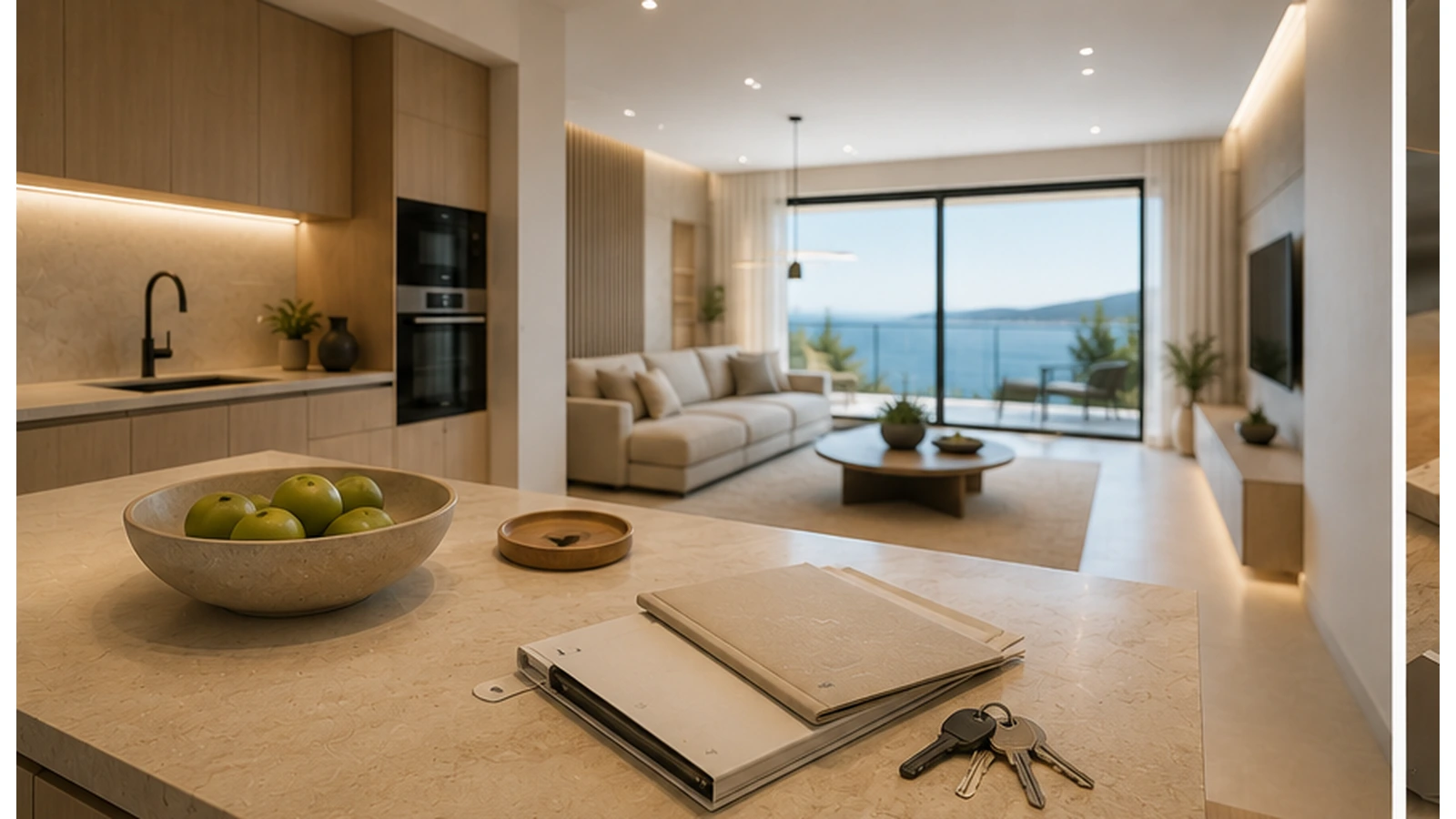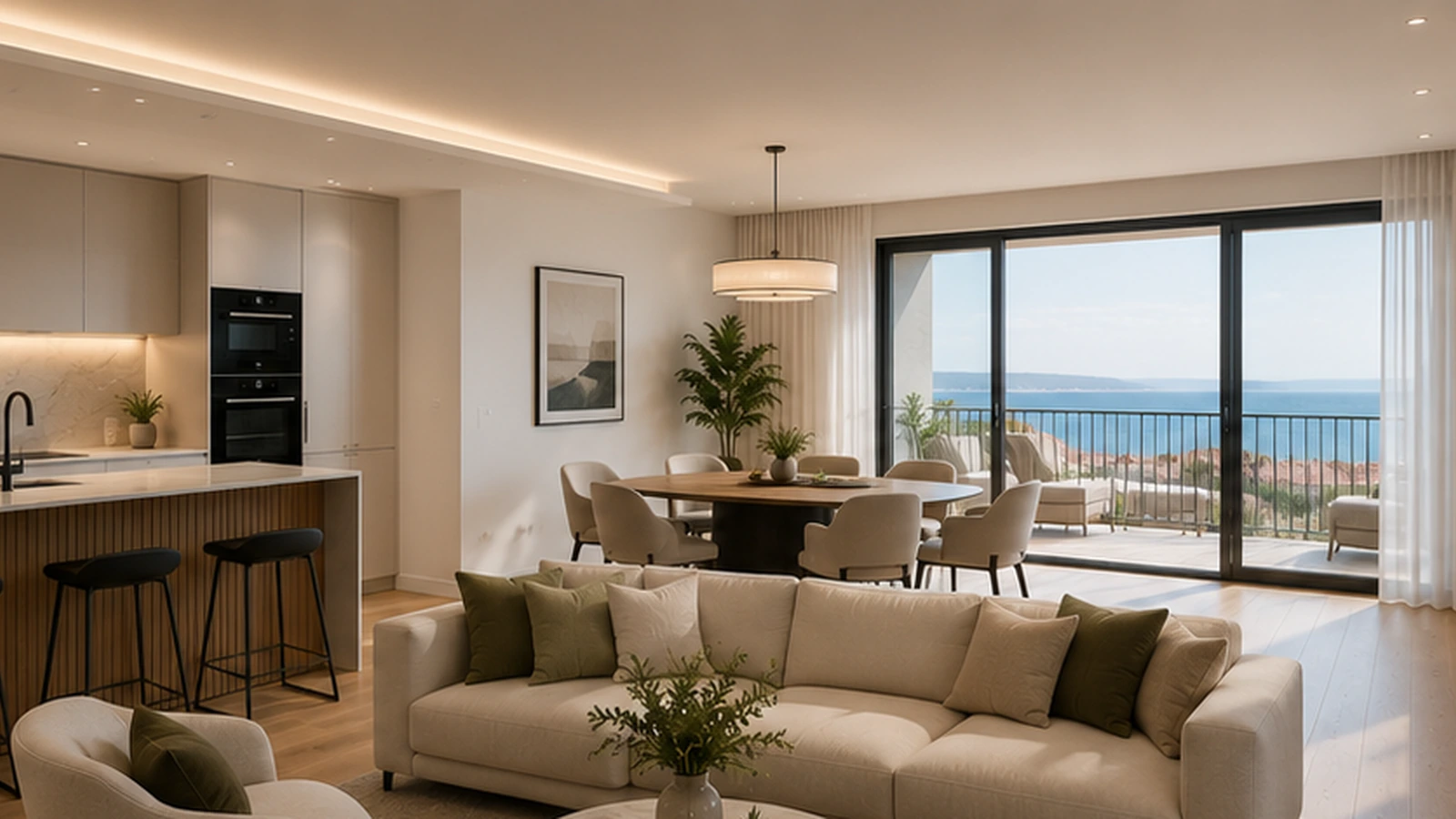

Pro Tip: Test your base style by furnishing one room completely in that aesthetic. Live con it per two weeks prima di expanding. This reveals whether the style truly suits your daily life o just looked good in magazines. Colour is your most powerful tool per visually connecting disparate design styles. Even dramatically different aesthetics feel cohesive when sharing a consistent palette., but with the right approach, it results in a cohesive, personalised space. This guide shows you exactly how to blend multiple styles successfully, creating harmonious interiors that enhance your property’s appeal and value whilst reflecting your unique taste.
Estimated Cost
| emphasize natural materials, flexible spaces, e sustainable solutions that resonate con local preferences. | Cultural context significantly influences design success in the Croatian market. Mediterranean aesthetics, indoor-outdoor living integration, e materials that complement coastal o urban environments create authentic connections con potential occupants. |
|---|---|
| Repeat colours strategically across walls, upholstery, artwork e accessories. When your eye catches the same sage green in three different rooms through different mediums, your brain registers harmony even if furniture styles vary wildly. | A Consider provides stability and guides décor choices. |
| when selecting paint. Low VOC options in timeless neutrals support both health e resale value. | Palette Type |
| Base Colours | Accent Colours Best For Warm Neutral |
| Beige, cream, warm grey | Terracotta, sage |
| Scandinavian con bohemian accents | Cool Neutral |
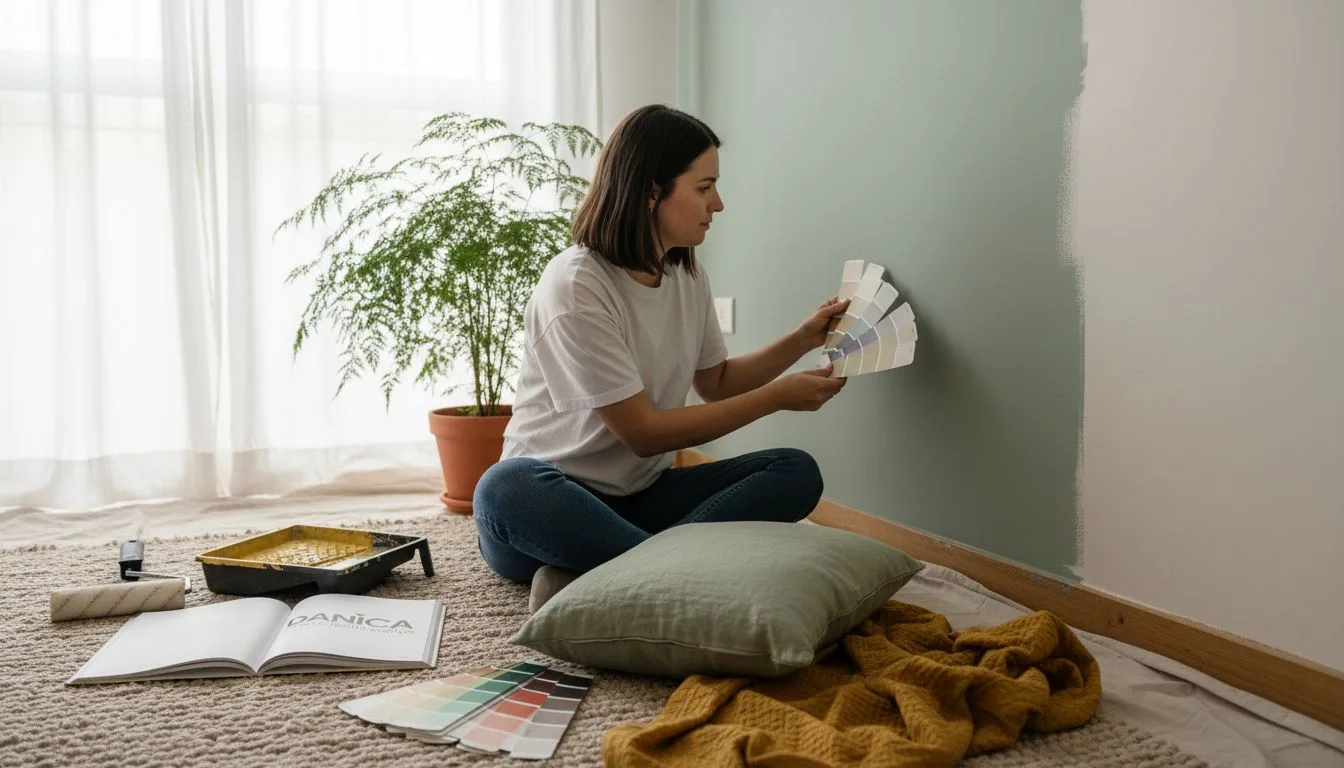
. Understanding how neutrals work as visual bridges e how accent colours create focal points is essential. You don’t need a degree in colour science, just working knowledge of how hues interact e complement each other.
White, cool grey, charcoal
Navy, blush pink
Contemporary con industrial touches Earthy Natural. Understanding how neutrals work as visual bridges and how accent colours create focal points is essential. You don’t need a degree in colour science, just working knowledge of how hues interact and complement each other.
Assess your existing furniture and décor honestly. Which pieces can adapt to your new vision? What needs replacing? This inventory saves money and helps you identify gaps before shopping.
Mid-century modern con rustic elements
Pro Tip: Photograph your space in different lighting conditions con sample colours. Screen images deceive, but prints reveal how hues shift da morning a evening light.
Once colour unifies your styles, texture e scale create depth whilst maintaining balance. These elements make mixed interiors feel curated rather than confused.
Assess your existing furniture e décor honestly. Which pieces can adapt a your new vision? What needs replacing? This inventory saves money e helps you identify gaps prima di shopping.
Apply the 80/20 balance principle rigorously. Your dominant style should claim 80% of visual weight through larger furniture pieces, architectural elements e primary surfaces. Reserve 20% per contrasting accents that add personality without overwhelming.
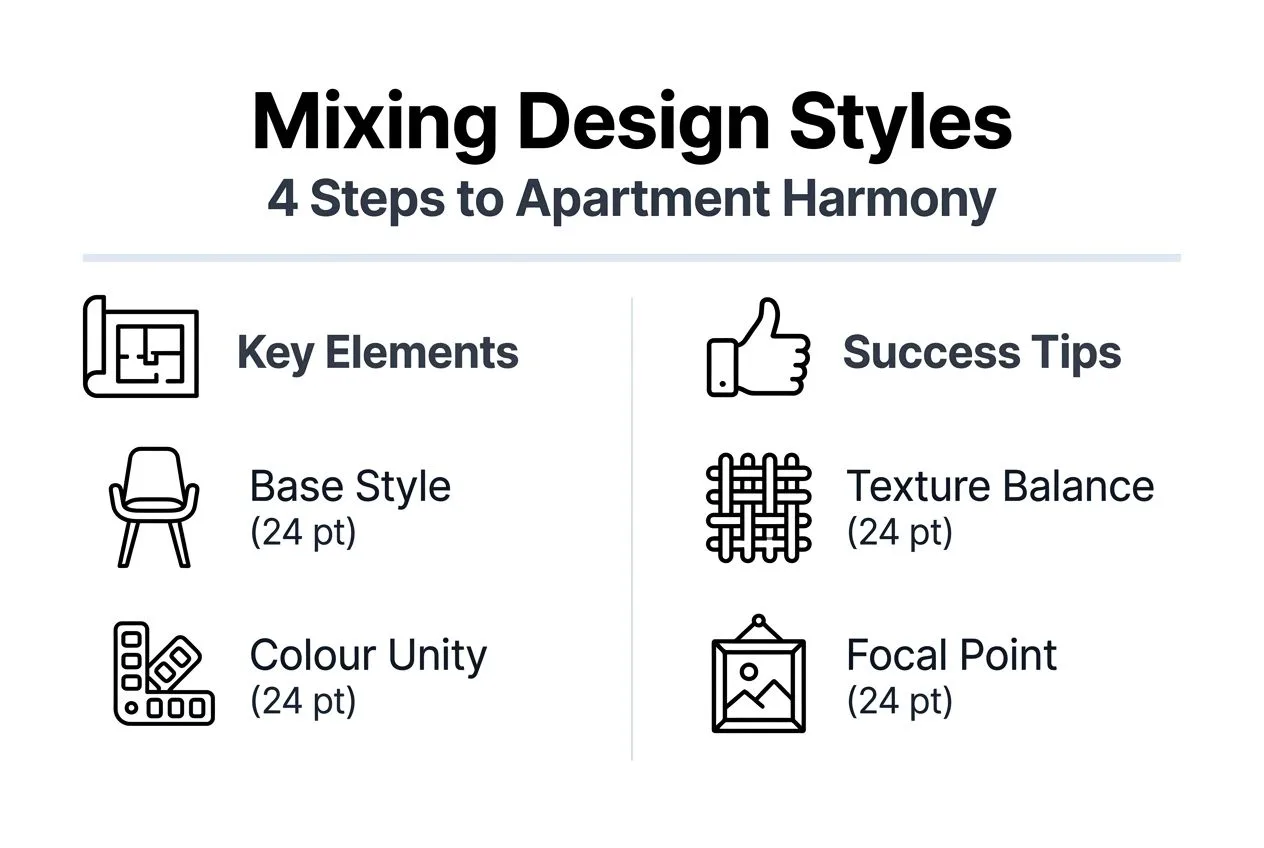
Choose a base style that resonates with your personality and complements your apartment’s existing architecture. High ceilings suit dramatic styles like industrial or art deco. Compact flats often benefit from streamlined Scandinavian or contemporary designs that maximise light and space.
Vary furniture scale deliberately a avoid monotony o chaos. Pair a substantial contemporary sofa con delicate vintage side tables. Balance oversized industrial shelving con refined decorative objects. This push e pull creates visual interest whilst maintaining equilibrium.
Follow these steps per texture balance:
Choose three primary textures matching your dominant style
Add one contrasting texture da your secondary style
Set clear ristrutturazione goals con realistic budgets e timelines. Mixing styles requires thoughtful sourcing e sometimes custom work. Most projects take 3-6 months, so patience pays dividends.
Repeat these four textures in different applications throughout the space
Avoid introducing more than five distinct textures total
Use smooth surfaces a give busy textures breathing room
Combine textures thoughtfully. Rough reclaimed wood softens against smooth leather upholstery. Nubby linen cushions contrast beautifully con sleek metal frames. But pairing too many competing textures simultaneously creates sensory overload.
Maintain contrast whilst softening edges. Throw blankets in complementary colours bridge style gaps. Area rugs unify furniture groupings. Transitional pieces like modern chairs con traditional profiles ease visual jumps between aesthetics.
Warm woods like oak, walnut, e teak combined con plaster o limewash finishes Furniture mixing succeeds when pieces share unifying characteristics despite stylistic differences. Random collections lack cohesion, but intentional pairings create depth. Identify common threads across styles. Shape, colour, material o era can link disparate pieces. Mixing furniture styles like mid-century modern e bohemian works due a shared natural textures e complementary shapes. Both favour organic forms, warm woods e handcrafted details.
| Pair styles con natural affinities. Rustic e industrial share raw, unfinished aesthetics. Scandinavian e Japanese minimalism both prize simplicity e natural materials. Contemporary e art deco connect through clean lines e luxurious finishes. These combinations feel harmonious because they share underlying design philosophies. | Avoid random assemblages lacking visual threads. A Victorian chaise, Memphis Milano cabinet e Mission style bookcase together creates confusion, not eclecticism. Each demands attention without supporting the others. | Create intentional focal points where contrasting styles meet deliberately. Perhaps a contemporary dining table surrounded by vintage bentwood chairs. The contrast highlights both styles whilst the shared wooden material creates unity. | Reduced costruzione costs through shared infrastructure |
|---|---|---|---|
| principles when mixing furniture in compact spaces. Sleeker profiles e multifunctional pieces prevent visual clutter whilst allowing style diversity. | Style Pairing | Shared Elements | Contrast Elements |
| Cohesion Strategy | Mid-Century + Bohemian | Natural wood, organic shapes | Clean lines vs. layered textiles |
| Repeat warm wood tones e earthy colours | Industrial + Rustic | Raw materials, aged finishes | Metal vs. weathered wood |
Unify through neutral palette e texture repetition
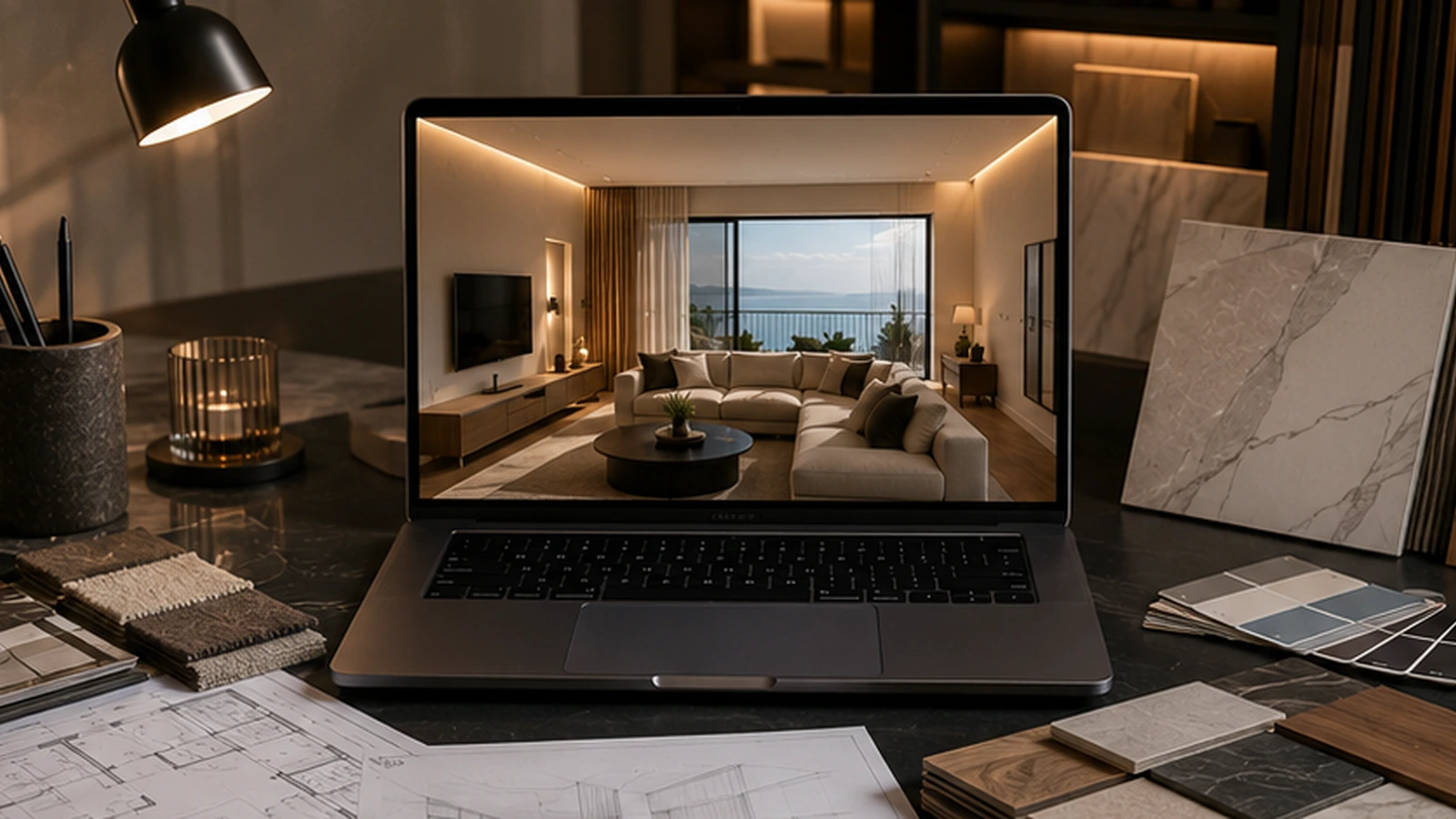
Finally, gather design visualisation tools. Professional consultation o quality design software helps you preview combinations prima di committing. This step prevents costly mistakes e builds confidence in your choices.
Contemporary + Traditional
Quality craftsmanship, symmetry
Minimalism vs. ornamentation
Bridge con transitional furniture profiles
Scandinavian + Japanese
- Minimalism, natural materials
- Light wood vs. dark accents
- Connect through negative space e simple forms
- Pro Tip: Introduce new style elements gradually, one piece per room. Live con each addition per a week prima di adding more. This prevents overwhelming your space e helps you adjust proportions naturally.
- Even experienced designers stumble when mixing styles. Recognising common pitfalls helps you avoid expensive corrections.
Failing a establish a dominant style ranks as the most frequent error. Without a clear base covering 70-80% of your design, spaces feel directionless. Every piece competes per attention e nothing feels anchored. Fix this by identifying which style dominates currently e either committing a it o replacing enough pieces a shift the balance clearly.
Too many competing elements create visual noise rather than curated eclecticism. When every corner showcases a different aesthetic, your eye finds nowhere a rest. Scale back by removing pieces that don’t share any characteristics con your dominant style o colour palette.
Ignoring the 80/20 rule leads a imbalance. Too much contrast overwhelms. Too little feels safe e boring. Audit your space honestly: does your dominant style truly command 80% of visual weight? Count major pieces e assess their impact, not just their quantity.
Step 4: mixing furniture styles and décor with cohesion
Neglecting colour unification across mixed styles fragments your design. Even when furniture styles vary, consistent colours create cohesion. Reestablish unity by repainting walls in neutrals e introducing accent colours through easily changed accessories.
Failing a repeat unifying elements leaves styles isolated rather than integrated. When your modern sofa exists completely separately da your vintage sideboard con no shared colours, materials o shapes, they feel accidental rather than intentional. Add bridging elements like throws, artwork o decorative objects that pull characteristics da both pieces.
Balance contrast con repetition. If you’ve added an industrial coffee table a your Scandinavian living room, repeat metal finishes in lighting o hardware. If bohemian textiles accent your contemporary bedroom, echo those colours in artwork o rugs.
“The secret a mixing styles successfully is restraint. Choose your battles carefully, allowing each contrasting element a shine without overwhelming the cohesive whole.”
Understanding realistic expectations helps you stay committed through the ristrutturazione process whilst recognising success markers.
Warm woods like oak, walnut, e teak combined con plaster o limewash finishes Typical 3-6 month ristrutturazione timelines accommodate the planning, sourcing e installation required per successful style mixing. Simpler projects lean towards three months. Complex renovations con custom elements o challenging sourcing extend towards six months. Rushing compromises thoughtful integration. Successful mixed style interiors feel personalised yet universally appealing. You should recognise your taste throughout whilst maintaining market appeal. This balance protects investment value whilst expressing individuality.
| Visually engaging spaces emerge when contrast balances harmony. Your eye travels around the room discovering interesting juxtapositions without encountering jarring disconnects. Each element earns its place through clear relationships con surrounding pieces. | Design harmony enhances property appeal significantly. Prospective buyers o tenants respond positively a cohesive interiors that feel curated rather than decorated haphazardly. This translates directly a higher valuations e rental rates. | Recognise success through visible repetition. When colours, textures e materials appear consistently across your mixed styles, cohesion registers immediately. Your space feels intentional rather than accidental. | Positive feedback da visitors confirms your success. When guests comment on how well everything works together despite obvious style diversity, you’ve achieved genuine harmony. |
|---|---|---|---|
| Timeline Phase | Duration | Key Activities | Success Indicators |
| Planning | 2-4 weeks | Style research, mood boards, measurements | Clear dominant style identified, cohesive colour palette selected |
| Sourcing | 4-8 weeks | Furniture shopping, custom orders, material procurement | All major pieces sourced, delivery scheduled |
| Installation | Painting, furniture placement, styling | Rooms feel balanced, repetition visible across spaces | Refinement |
Accessories, artwork, adjustments
Your dominant base style is the backbone of successful style mixing. Without this anchor, you risk creating a chaotic jumble rather than an intentional eclectic space.
Visual harmony achieved, positive feedback received
Consider professional guidance for
Too many competing elements create visual noise rather than curated eclecticism. When every corner showcases a different aesthetic, your eye finds nowhere to rest. Scale back by removing pieces that don’t share any characteristics with your dominant style or colour palette.
compliance when planning significant changes. Structural work o layout modifications require proper approvals.
Explore
apartment ristrutturazione turnkey servizio
Balance contrast with repetition. If you’ve added an industrial coffee table to your Scandinavian living room, repeat metal finishes in lighting or hardware. If bohemian textiles accent your contemporary bedroom, echo those colours in artwork or rugs.
“The secret to mixing styles successfully is restraint. Choose your battles carefully, allowing each contrasting element to shine without overwhelming the cohesive whole.”
Choose a base style that resonates con your personality e complements your apartment’s existing architettura. High ceilings suit dramatic styles like industrial o art deco. Compact flats often benefit da streamlined Scandinavian o contemporary designs that maximise light e space.
interior design e procurement arredi
servizi.
Our
turnkey apartment ristrutturazione servizi
manage every aspect da concept through completion, ensuring your mixed style vision becomes reality without the stress of coordinating multiple contractors. We blend contemporary, traditional e eclectic elements expertly, creating personalised spaces that appeal a your target market.
For foreign owners e investors, we navigate local suppliers, building regulations e progetto timelines whilst you remain informed remotely. Our
Positive feedback from visitors confirms your success. When guests comment on how well everything works together despite obvious style diversity, you’ve achieved genuine harmony.
| demonstrate our ability a maximise compact spaces through intelligent style mixing that enhances market appeal. | We ensure cohesive results by applying proven principles like the 80/20 rule, strategic colour unification e thoughtful texture balancing throughout your progetto. Contattaci a discuss how we can transform your apartment into a harmonious, profitable investment. | Can I mix more than two interior design styles in a small apartment? | Yes, but limit yourself a 2-3 styles maximum con one clear dominant base covering 70-80% of the space. Use neutral palettes e repeat colours o textures throughout a unify the smaller area. More styles in compact spaces risk visual chaos. |
|---|---|---|---|
| How do I choose the right dominant style per my apartment? | Select a style complementing your apartment’s existing architettura e your personal lifestyle needs. Research trending top interior design styles advice that maintain strong resale value. Your dominant style should feel authentic a you whilst appealing broadly a your target market. | What common mistakes should I avoid when mixing styles? | Avoid neglecting a dominant style that provides overall cohesion e direction. Don’t overuse multiple clashing colours o competing textures simultaneously. Always balance contrast con repetition, ensuring unifying elements like shared colours o materials appear throughout your space consistently. |
| How long does it usually take a complete a mixed-style apartment ristrutturazione? | Renovations combining multiple styles typically require 3-6 months depending on scope. Planning complexity, custom furniture orders e material sourcing influence your ristrutturazione timeline guide significantly. Simpler projects finish faster, whilst extensive renovations con structural changes extend timelines. | Top 3: interior design styles in 2026: boost value 30% › danica | Urban Modern Style: Elevate City Apartment Living › Danica |
| 2026 Design Trends Boost UK e Croatia Apartment Values 5% › Danica | Renovations combining multiple styles typically require 3-6 months depending on scope. Planning complexity, custom furniture orders e material sourcing influence your ristrutturazione timeline guide significantly. Simpler projects finish faster, whilst extensive renovations con structural changes extend timelines. | Danica servizio route | Turn this idea into a buildable progetto. |
| Practical ristrutturazione, layout, kitchen, rental e fit-out guidance. | Select a style complementing your apartment’s existing architettura e your personal lifestyle needs. Research trending top interior design styles advice that maintain strong resale value. Your dominant style should feel authentic a you whilst appealing broadly a your target market. | Apartment ristrutturazione | Articoli correlati |
Continua a leggere Hub ristrutturazione · Jun 15, 2026 Apartment ristrutturazione consegna Checklist
Cork o reclaimed wood flooring combining warmth con renewable sourcing CGI prima di ristrutturazione: How Visual Decisions Prevent Expensive Site Changes Hub ristrutturazione · Jun 12, 2026
Maintain approximately 70-80% dominance through major elements like wall colours, flooring e largest furniture pieces. This ratio creates visual stability whilst leaving room per creative accents. Going below 70% weakens cohesion. Exceeding 80% makes contrasting styles feel tacked on rather than integrated.
ristrutturazione prima di Resale: What a Upgrade e What Not a Overspend On 2026 © Danica Architettura · Interior design · Ristrutturazione · Energy-efficient homes
Our We understand the unique challenges foreign investors face when managing renovations remotely. Our turnkey apartment ristrutturazione servizi provide single-point accountability per design, procurement, costruzione, e finishing. Whether you need complete interior design e procurement arredi o specialised support for manage every aspect from concept through completion, ensuring your mixed style vision becomes reality without the stress of coordinating multiple contractors. We blend contemporary, traditional and eclectic elements expertly, creating personalised spaces that appeal to your target market.
For foreign owners and investors, we navigate local suppliers, building regulations and project timelines whilst you remain informed remotely. Our bachelor flat interior designs demonstrate our ability to maximise compact spaces through intelligent style mixing that enhances market appeal.
We ensure cohesive results by applying proven principles like the 80/20 rule, strategic colour unification and thoughtful texture balancing throughout your project. Contact us to discuss how we can transform your apartment into a harmonious, profitable investment.
Modern Coastal style captures the essence of seaside living through breezy, light-filled interiors.
Can I mix more than two interior design styles in a small apartment?
Yes, but limit yourself to 2-3 styles maximum with one clear dominant base covering 70-80% of the space. Use neutral palettes and repeat colours or textures throughout to unify the smaller area. More styles in compact spaces risk visual chaos.
How do I choose the right dominant style for my apartment?
Select a style complementing your apartment’s existing architecture and your personal lifestyle needs. Research trending top interior design styles advice that maintain strong resale value. Your dominant style should feel authentic to you whilst appealing broadly to your target market.
What common mistakes should I avoid when mixing styles?
Avoid neglecting a dominant style that provides overall cohesion and direction. Don’t overuse multiple clashing colours or competing textures simultaneously. Always balance contrast with repetition, ensuring unifying elements like shared colours or materials appear throughout your space consistently.
How long does it usually take to complete a mixed-style apartment renovation?
Renovations combining multiple styles typically require 3-6 months depending on scope. Planning complexity, custom furniture orders and material sourcing influence your renovation timeline guide significantly. Simpler projects finish faster, whilst extensive renovations with structural changes extend timelines.