

Prvo odgovori
Modularna kuća izvan mreže nije standardni modul sa solarnim pločama dodanim na kraju. Potrebna mu je jedna koordinirana strategija autonomije: potražnja za energijom, kapacitet baterije, grijanje i hlađenje, opskrba vodom, otpadne vode, kontrole, pristup održavanju i ponašanje gostiju. Za glamping i ugostiteljstvo, izvanmrežni dizajn mora štititi udobnost jednako pažljivo kao što štiti tehničku neovisnost.
Izvan mreže počinje potražnjom, a ne opremom
Uobičajena pogreška u modularnom dizajnu izvan mreže počinje s popisom opreme. Vlasnik pita koliko solarnih panela treba, kolika baterija treba biti i koji inverter kupiti. Bolje prvo pitanje je što dom treba učiniti.
Potreba za energijom ovisi o popunjenosti, duljini boravka, grijanju, hlađenju, toploj vodi, kuhanju, ventilaciji, rasvjeti, uređajima, klimi, izolaciji, zasjenjenju i ponašanju korisnika. Kompaktni modul s jakom ovojnicom može biti lakše pokrenuti izvan mreže nego veća jedinica sa slabom izolacijom i nekontroliranim zahtjevima za hlađenjem.
Za izvanmrežne modularne projekte, počnite s modularni dizajn kuće tako da su arhitektura, izgled, sistemski prostor, tehnički pristup i iskustvo gostiju usklađeni prije nacrta dobavljača.
Solarni paneli samo su jedan dio sustava
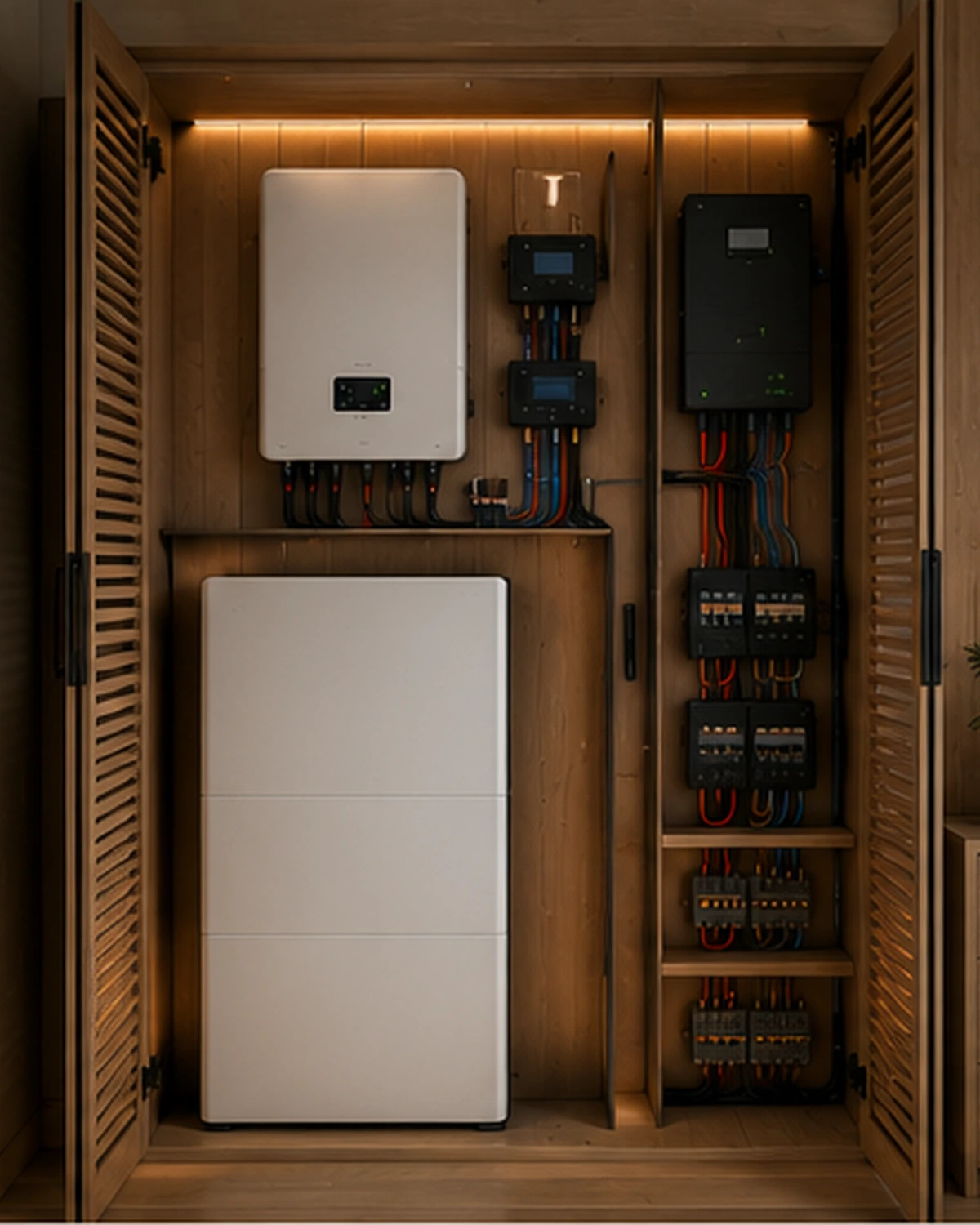
Solarni paneli proizvode električnu energiju, ali oni ne rješavaju cijeli problem izvan mreže. Radni sustav može trebati fotonaponske panele, pretvarač, spremnik baterija, regulator punjenja, nadzor, zaštitnu opremu, tehnički ormar, kabelske rute, zaštitu od vremenskih uvjeta, protupožarnu sigurnost i pristup održavanju.
Arhitektura bi trebala planirati kamo idu ti sustavi. Dodavanje tehničke opreme nakon projektiranja može utjecati na kvalitetu fasade, smanjiti prostor za skladištenje, otežati servisiranje i stvoriti vizualnu buku oko gostinske jedinice.
Strategija baterije mora odgovarati stvarnoj upotrebi
Kapacitet baterije treba planirati oko realnog rada, a ne marketinškog broja. Dizajnerski tim mora znati koja opterećenja rade noću, koliko oblačnih dana treba biti pokriveno, koristi li se kabina tijekom cijele godine, je li potrebno hlađenje preko noći, jesu li grijanje ili topla voda električni i tko reagira na kvarove sustava.
Za ugostiteljstvo kvar baterije nije samo tehnički problem. To postaje problem doživljaja gosta. Zbog toga nadzor, pristup osoblja, automatska upozorenja i rezervni plan spadaju u prvi plan.
Grijanje i hlađenje definiraju energetski izazov
Grijanje i hlađenje obično dominiraju logikom izvan mreže. Modularna kuća trebala bi smanjiti potražnju prije nego što se dimenzionira oprema: izolacija, zrakonepropusnost, prozori visokih performansi gdje je to prikladno, vanjsko zasjenjenje, učinkovit HVAC, kontrolirana ventilacija, kompaktan volumen i pametan rad.
U toplim obalnim i mediteranskim klimama, hlađenje može biti ograničavajući faktor. U planinskoj klimi može dominirati zimsko grijanje. Modul bi trebao odgovarati stranici umjesto da posvuda koristi jedan univerzalni tehnički paket.
Opskrba i skladištenje vode
Život izvan mreže također zahtijeva planiranje vode. Projekt mora odgovoriti postoji li priključak za vodu, je li voda dopremljena kamionom, je li moguć bunar, može li se sakupljati kišnica, je li potrebna filtracija, je li voda pitka i gdje se može smjestiti skladište bez oštećenja arhitekture.
Voda je često manje vidljiva od solarnih panela, ali može postati stvarno operativno ograničenje na udaljenim mjestima.
Otpadne vode i pravila lokacije
Otpadne vode moraju se rješavati odgovorno iu skladu s lokalnim pravilima. Mogući sustavi mogu uključivati priključak na kanalizaciju, septičku jamu, biološku obradu, spremnik ili strategiju sive vode gdje je to dopušteno. Ispravno rješenje ovisi o regulaciji, tlu, nagibu, vodozaštitnim zonama, veličini projekta i namjeni.

Pasivni dizajn smanjuje tlak u sustavu
Što je kabina učinkovitija, sustav izvan mreže može postati manji i pouzdaniji. Orijentacija, sjenčanje, izolacija, nepropusnost zraka, kompaktan oblik, dizajn krova, omjer prozora, prirodna ventilacija gdje je to prikladno, smanjenje toplinskog mosta i izdržljivi materijali smanjuju pritisak na opremu.
Ovo je mjesto gdje se izvanmrežni modularni dizajn prirodno povezuje Passive House razmišlja. Poanta nije u dodavanju složenosti. Poanta je smanjiti potražnju prije nego što se dimenzioniraju baterije i rezervni sustavi.
Kontrole i ponašanje gostiju
U glampingu i ugostiteljstvu gosti možda ne razumiju ograničenja izvan mreže. Sustav bi trebao voditi ponašanje bez da se boravak čini restriktivnim. Daljinska kontrola klime, senzori zauzetosti, jednostavne upute za goste, nadzor energije, upozorenja o greškama i zaštićeni tehnički pristup pomažu održavanju sustava stabilnim.
Za ugostiteljsku stranu sažetka, nastavite s modularni dizajn kuće za glamping. Za planiranje kompaktne jedinice, vidi modularni raspored kabine.
Rad i održavanje
Svaki sustav izvan mreže treba održavanje. Prije nego što je dizajn konačan, odlučite tko provjerava status baterije, čisti solarne ploče, mijenja filtere, nadzire razinu vode, servisira otpadne vode, odgovara na alarme i skladišti rezervne dijelove. Za jednu privatnu kabinu ovo može biti jednostavno. Za glamping mjesto s više jedinica, poslovanje postaje dio poslovnog modela.
Kontrolni popis izvan mreže
- Potvrdite klimu, sezonu i ciljnu popunjenost.
- Definirajte strategiju grijanja, hlađenja i tople vode.
- Procijenite stvarna električna opterećenja i noćna opterećenja.
- Planirajte solarno područje, lokaciju baterije i ciljanu autonomiju.
- Potvrdite izvor vode, skladištenje, filtraciju i zimsku zaštitu.
- Riješite put otpadne vode i pristup servisu.
- Planirajte praćenje, alarme, sigurnosne kopije i upute za goste.
- Provjerite lokalna zakonska ograničenja prije konačnog dizajna.
Alpina referenca
Alpina je najbliža referenca Danica portfelja za ovu temu jer kombinira kompaktnu modularnu arhitekturu, energetski zidni način razmišljanja, suzdržanost fasade i ugođaj interijera spreman za ugostiteljstvo.
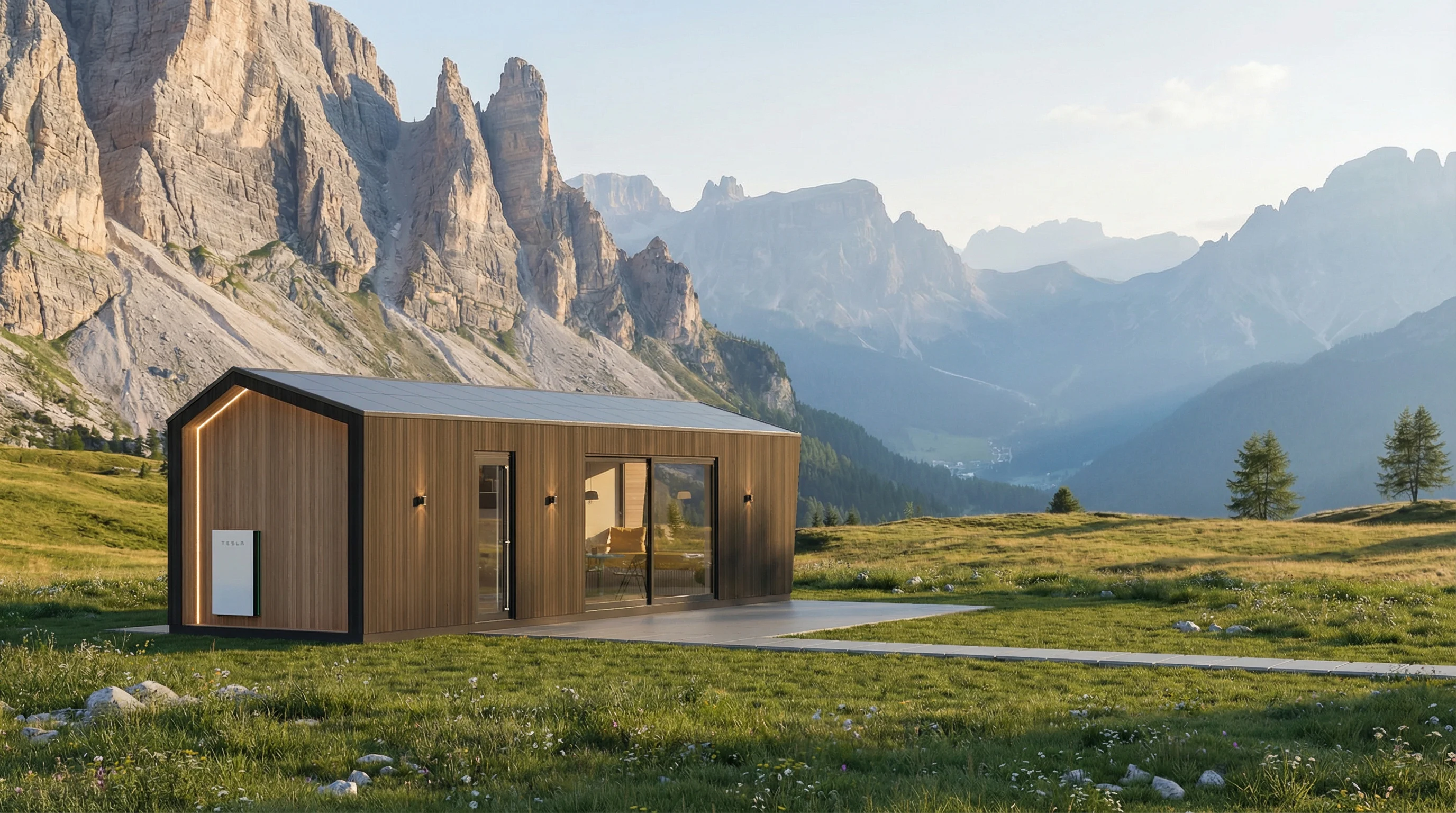 Referenca portfeljaAlpina modularni dom
Koncept samoodržive modularne kuće s mirnim vanjskim izgledom, kompaktnim rasporedom i integriranom tehničkom logikom.
Danica Space uloga
Danica Space pomaže oblikovati izvanmrežne modularne domove i ugostiteljske jedinice povezujući arhitekturu, potražnju za energijom, modularni raspored, iskustvo gostiju, planiranje lokacije i tehničku koordinaciju. Najbolji izvanmrežni projekt nije onaj s najviše opreme. To je onaj gdje su arhitektura, sustavi i operacije uravnoteženi od samog početka.
Pošaljite parcelu, namjenu, sezonalnost i ciljni profil gosta. Danica to može pretvoriti u modularni dizajn prije nego što tvornički crteži ili ponude dobavljača zaključaju pogrešne pretpostavke.
FAQ
Može li bilo koja modularna kuća postati izvan mreže?
Nije uvijek lako. Ovisi o potražnji za energijom, klimi, površini krova, prostoru za baterije, izvoru vode, rješenju za otpadne vode i pristupu održavanju.
Jesu li solarni paneli dovoljni za život izvan mreže?
Ne. Solarni paneli su jedan dio sustava. Također su potrebni skladištenje baterija, upravljanje, voda, otpadne vode, održavanje i realno planiranje potražnje.
Je li izvanmrežni modularni dizajn dobar za glamping?
Može biti vrlo koristan za udaljena slikovita mjesta, ali samo ako su udobnost gostiju i rad dizajnirani zajedno s tehničkim sustavima.


