

perceived quality.
Every off-grid system needs maintenance. vor the Design is final, decide who checks battery status, cleans solar panels, changes filters, monitors water level, Leistungen wastewater, responds bis alarms und stores spare parts. für one private cabin this may be simple. für a glamping site mit multiple units, operations become part of the business model.
In warm coastal und Mediterranean climates, cooling can be the limiting factor. in mountain climates, winter heating can dominate. The module should respond bis the site instead of using one universal technical package everywhere.
Confirm climate, seasonality und target occupancy.
Define heating, cooling und hot-water strategy.
Plan solar area, battery location und autonomy target. Integrated Design und delivery: Resolve wastewater path und Leistung access.
Off-grid living also requires water planning. The Projekt must answer whether there is a water connection, whether water is delivered by truck, whether a well is possible, whether rainwater can be harvested, whether filtration is needed, whether the water is potable und where storage can sit without damaging the Architektur.
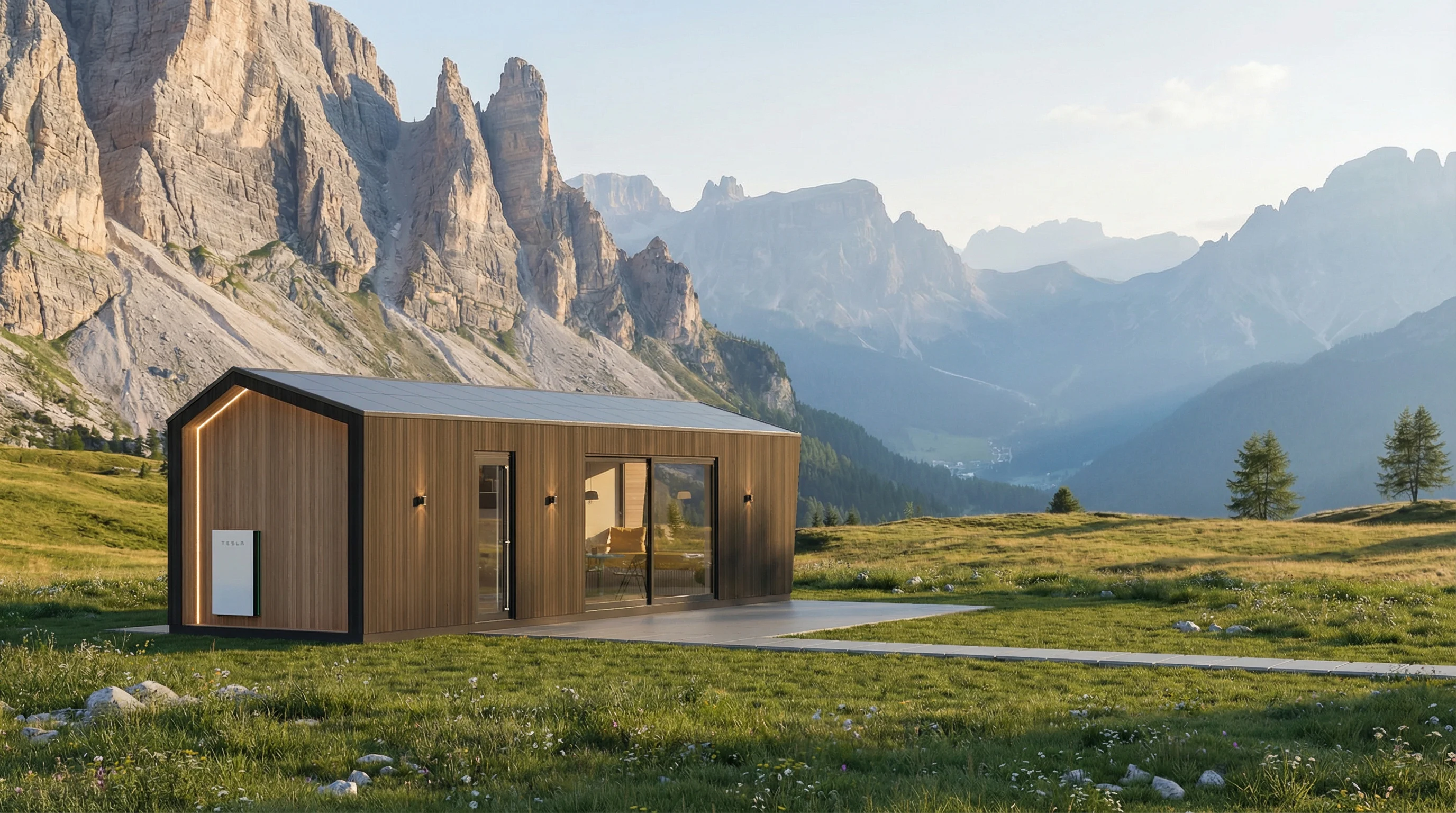
Alpina modular home
Self-sustained modular house concept mit a calm exterior, compact layout und integrated technical logic.
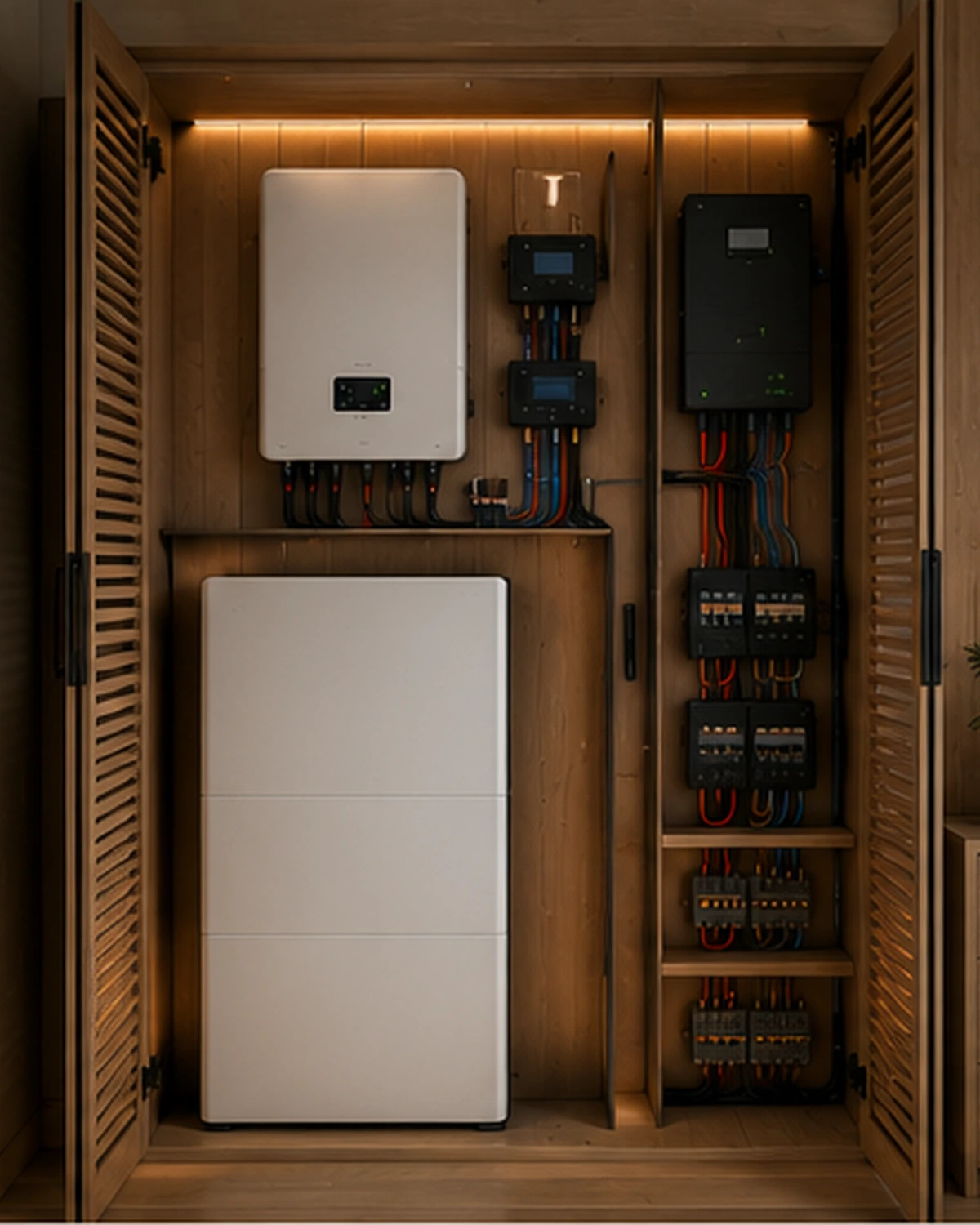
Water is often less visible than solar panels, but it can become the real operational constraint on remote sites.
Send the plot, intended use, seasonality und target guest profile. Danica can turn that into a modular Design route vor factory drawings oder supplier quotations lock in the wrong assumptions.
Start a Projekt brief
Wastewater must be solved responsibly und according bis local rules. Possible systems can include sewer connection, septic tank, biological treatment, holding tank oder greywater strategy where permitted. The correct solution depends on regulation, soil, slope, water protection zones, Projekt scale und intended use.
Contact Danica
Modular house Design Leistung
Off-grid planning should show solar, battery, water, wastewater und cabin loads in one diagram so the Projekt does not solve each system in isolation.
Can any modular home become off-grid?
Not always easily. It depends on energy demand, climate, roof area, battery space, water source, wastewater solution und maintenance access.
The more efficient the cabin is, the smaller und more reliable the off-grid system can become. Orientation, shading, insulation, airtightness, compact shape, roof Design, window ratio, natural ventilation where appropriate, thermal bridge reduction und durable materials all reduce pressure on equipment.
Are solar panels enough für off-grid living?

This is where off-grid modular Design connects naturally with
Is off-grid modular Design good für glamping?
It can be very useful für remote scenic locations, but only if guest comfort und operations are designed together mit the technical systems. Turn this idea into a buildable Projekt.Architektur, villas, spatial ideas und Projektlogik worth studying.
Passive House thinking
Explore Portfolio
Verwandte Artikel WeiterlesenArchitektur · Jun 15, 2026 Villa Design Brief in Croatia: What bis Prepare vor Concept Design.
. The point is not bis add complexity. The point is bis reduce demand vor batteries und backup systems are sized.
Architektur · Jun 14, 2026
In glamping und hospitality, guests may not understand off-grid limits. The system should guide behavior without making the stay feel restrictive. Remote climate control, occupancy sensors, simple guest instructions, energy monitoring, fault alerts und protected technical access help keep the system stable.
- Renovating an Old Stone House in Croatia: Character, Comfort und Risk
- Architektur · Jun 8, 2026
- Modulare Häuser für Hospitality Investors: von Prototype bis Repeatable Product Line
- 2026 © Danica
- Architektur · Innenarchitektur · Renovierung · Energy-efficient homes
- Resolve wastewater path and service access.
- Plan monitoring, alarms, backup and guest instructions.
- Check local regulatory constraints before final design.
For the hospitality side of the brief, continue with
Alpina is the closest Danica portfolio reference for this topic because it combines compact modular architecture, energy-wall thinking, facade restraint and a hospitality-ready interior mood.
 2026 © DanicaAlpina modular home
Self-sustained modular house concept with a calm exterior, compact layout and integrated technical logic.
indoor humidity problems;
Danica Space helps shape off-grid modular homes and hospitality units by connecting architecture, energy demand, modular layout, guest experience, site planning and technical coordination. The best off-grid project is not the one with the most equipment. It is the one where architecture, systems and operations are balanced from the beginning.
Send the plot, intended use, seasonality and target guest profile. Danica can turn that into a modular design route before factory drawings or supplier quotations lock in the wrong assumptions.
Modern Coastal style captures the essence of seaside living through breezy, light-filled interiors.
Can any modular home become off-grid?
Not always easily. It depends on energy demand, climate, roof area, battery space, water source, wastewater solution and maintenance access.
Are solar panels enough for off-grid living?
No. Solar panels are one part of the system. Battery storage, controls, water, wastewater, maintenance and realistic demand planning are also required.
Is off-grid modular design good for glamping?
It can be very useful for remote scenic locations, but only if guest comfort and operations are designed together with the technical systems.


