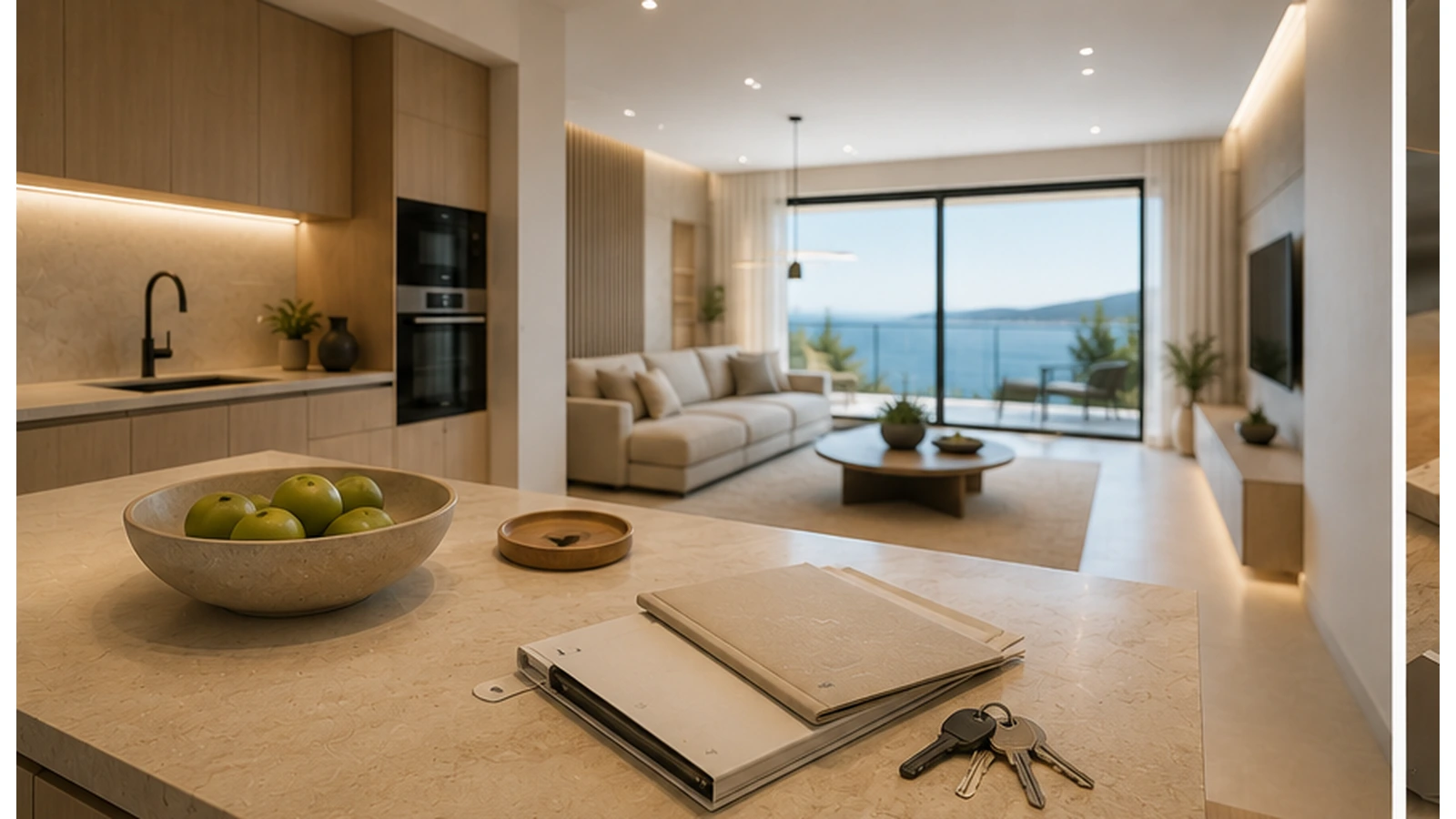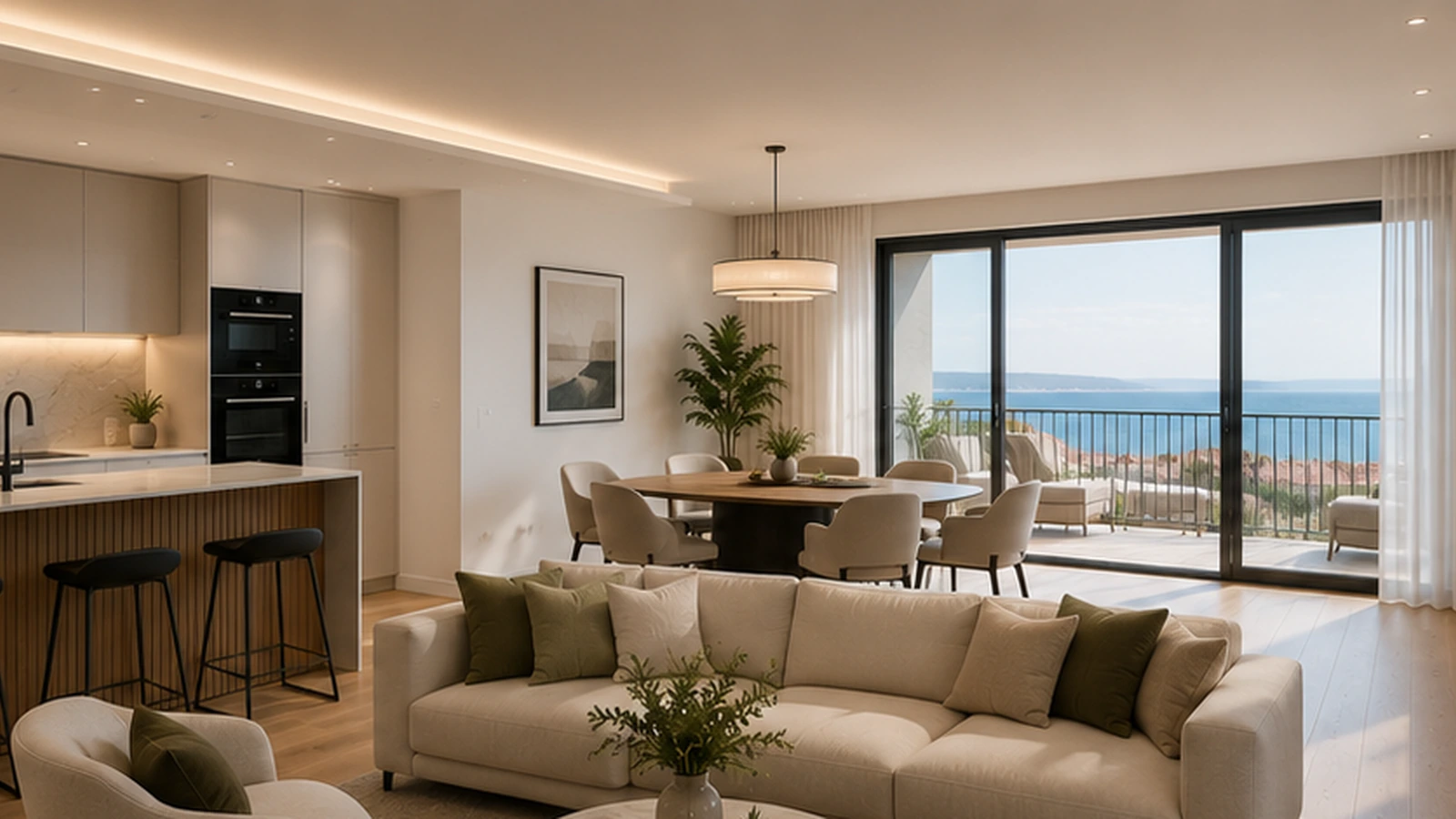

Mnogi pretpostavljaju da tradicionalni dizajn znači pretrpane sobe ispunjene zastarjelim namještajem, ali ova zabluda sprječava vlasnike nekretnina u istraživanju jedne od najtrajnijih i najvrjednijih estetika interijera. Tradicionalni dizajn zapravo je uravnotežen, sofisticiran stil ukorijenjen u bezvremenskim načelima simetrije i klasičnih detalja. Ovaj vodič pojašnjava što tradicionalni dizajn uistinu obuhvaća i pokazuje praktične načine za ugradnju njegovog elegantnog karaktera u renoviranje stanova i investicijske nekretnine.
Ključni podaci za van
| Točka | Detalji |
|---|---|
| Temelj tradicionalnog dizajna | Izgrađen na simetriji, klasičnim arhitektonskim detaljima poput oblikovanja krune i bogatim prirodnim materijalima koji stvaraju bezvremensku eleganciju. |
| Povijesna baština | Crpi iz europskih stilova 18th i 19th stoljeća uključujući gruzijske, viktorijanske i kolonijalne utjecaje. |
| Prijava stana | Namještaj manjih dimenzija, uravnoteženi rasporedi i selektivni ukrašeni detalji izbjegavaju nered dok zadržavaju autentičan stil. |
| Vrijednost ulaganja | Autentični tradicionalni interijeri mogu povećati vrijednost preprodaje za 6-8% u usporedbi s neutralnim suvremenim obnovama. |
| Razlika u stilu | Razlikuje se od prijelaznog dizajna kroz veću formalnost, povijesnu točnost i bogatiji izbor materijala. |
Razumijevanje tradicionalnog dizajna: definicija i temeljne karakteristike
Traditional design centres on creating harmonious, comfortable spaces through symmetry and formal arrangements. You’ll recognise this style immediately through balanced furniture placement, matched pairs of lamps or chairs flanking a focal point, and rooms organised around clear central axes.
Classic architectural details define the visual language. Crown moulding frames ceilings, wood panelling adds warmth to walls, and detailed trim work highlights doorways and windows. These elements aren’t merely decorative; they establish proportion and visual hierarchy that makes rooms feel both grand and inviting.
Stil naglašava udobnost uz eleganciju. Tradicionalni interijeri imaju raskošne garniture za sjedenje, slojeviti tekstil i pristupačne rasporede koji potiču opuštanje. Ovaj dvostruki fokus razlikuje tradicionalni dizajn od čisto formalnih povijesnih rekreacija ili minimalističkih suvremenih pristupa.
Ključne karakteristike uključuju:
- Simetrični rasporedi s uravnoteženim rasporedom namještaja
- Krunsko oblikovanje, obloge i detaljna stolarija
- Tople palete boja koje sadrže neutralne s bogatim naglašenim tonovima
- Slojeviti tekstil uključujući zavjese, tepihe i presvlake
- Klasični namještaj sa zaobljenim linijama i raskošnim detaljima
Stručni savjet: kada primjenjujete tradicionalni dizajn u stanovima, dajte prednost jednom ili dvama arhitektonskim detaljima kao što je oblikovanje krune umjesto da pokušavate svaki klasični element. Ovaj pristup održava autentičnost uz poštovanje prostornih ograničenja, slično strategijama koje se koriste u dizajn malog prostora koji povećava najam. Također možete uklopiti istražene održive izbore ekološki savjeti za dizajn renoviranja stanova s tradicionalnom estetikom.
Povijesno podrijetlo i stilski utjecaji tradicionalnog dizajna
Tradicionalni dizajn proizašao je iz europskih interijera 18th i 19th stoljeća, kada su zanatska izrada i klasične proporcije dominirale stambenom arhitekturom. Ta su razdoblja cijenila postojanost i kvalitetu, stvarajući namještaj i detalje namijenjene posljednjim generacijama.
Gruzijski utjecaji donijeli su simetriju i klasične arhitektonske reference inspirirane starogrčkim i rimskim dizajnom. Sobe su imale uravnotežene proporcije, suzdržanu eleganciju i suzdržane ukrase usmjerene na kvalitetu umjesto kvantitete.
Viktorijanski elementi uveli su bogatije boje i složenije detalje. Ovo je doba prihvatilo miješanje uzoraka, jače draperije i kitnjasti namještaj odražavajući industrijski prosperitet i utjecaje globalne trgovine. Viktorijanski tradicionalizam slojevito je teksturirao i pokazao umijeće izrade kroz vidljive detalje.
Kolonijalni stilovi prilagodili su europske tradicije novim kontekstima, stvarajući praktične interpretacije formalnih načela dizajna. Kolonijalni tradicionalni dizajn naglašavao je funkcionalnu eleganciju s lokalnim materijalima dok je zadržavao klasične proporcije i simetrične rasporede.
Glavni povijesni utjecaji uključuju:
- Gruzijski klasicizam sa suzdržanim ukrasima i savršenim proporcijama
- Viktorijansko bogatstvo sa složenim uzorcima i slojevitim tekstilom
- Kolonijalna praktičnost prilagođava formalna načela svakodnevnom životu
- Francuski provincijski utjecaji donose zakrivljene linije i pastoralne motive
- Tradicija engleske seoske kuće koja kombinira udobnost s profinjenim detaljima
Ovi povijesni korijeni objašnjavaju zašto se tradicionalni dizajn čini i autoritativnim i pristupačnim. Stil nosi stoljeća profinjenosti dok ostaje prilagodljiv suvremenim životnim potrebama.
Ključni materijali, palete boja i namještaj u tradicionalnom interijeru
Bogato tvrdo drvo čini temelj tradicionalnog interijera. Mahagonij, trešnja i orah pojavljuju se u namještaju, podovima i arhitektonskim detaljima, odabrani zbog svojih dubokih tonova i prekrasnih zrnatih uzoraka. Ove šume graciozno stare, razvijajući karakter koji povećava, a ne umanjuje vrijednost.

Colour palettes favour warm neutrals as base tones. Creams, beiges, and soft greys create calm backdrops, whilst deep accent colours like burgundy, forest green, navy, and gold add richness. This layered approach allows flexibility whilst maintaining the style’s characteristic warmth.
Tekstil donosi teksturu i vizualni interes. Svila, brokat, damast i baršun pojavljuju se u presvlakama i obradama prozora, često sadržavajući klasične uzorke poput cvijeća, pruga ili paisleya. Perzijski i orijentalni tepisi usidre prostore sa složenim uzorcima i bogatim bojama koje povezuju različite elemente.
Furniture features classic lines and quality construction. Look for pieces with curved legs, carved details, and traditional silhouettes like wingback chairs, Chesterfield sofas, and pedestal tables. Avoid overly modern shapes or industrial materials that clash with the style’s historical character.
Osnovni materijal i elementi boja:
- Tvrdo drvo u toplim tonovima za namještaj i arhitektonska obilježja
- Tople neutralne osnovne boje s akcentima bogatih dragulja
- Prirodni kamen poput mramora za površine i okvire kamina
- Luksuzni tekstil uključujući svilu, baršun i detaljan brokat
- Antikni mesing i bronca za hardver i rasvjetna tijela
Stručni savjet: Kada nabavljate materijale za tradicionalne renoviranje stana projektima, uložite u jedan visokokvalitetni element od tvrdog drva kao što je pod, umjesto da proračun rasporedite na više tradicionalnih značajki niže kvalitete. Ovaj fokusirani pristup daje autentičnije rezultate. Stručno vodstvo kroz uređenje interijera i namještaj services ensures material choices align with your apartment’s architecture.
Uobičajene zablude o tradicionalnom dizajnu
Mnogi vjeruju da je tradicionalni dizajn zastario i nebitan za suvremeni život. Ova zabuna proizlazi iz spajanja stila s loše izvedenim povijesnim rekreacijama ili pretrpanim viktorijanskim ekscesom. Autentičan tradicionalni dizajn bezvremenski je upravo zato što naglašava trajna načela ravnoteže, proporcije i kvalitete u odnosu na trendovske elemente.
Još jedna zabluda sugerira da tradicionalni interijeri zahtijevaju teške ukrase u svakoj prostoriji. U stvarnosti, stil uspijeva na strateškoj suzdržanosti. Uspješni tradicionalni prostori uravnotežuju kitnjaste žarišne točke s jednostavnijim okolnim elementima, stvarajući vizualni interes bez prevelike okupacije stanara.
Ljudi često brkaju tradicionalni dizajn s prijelaznim stilom. Iako je povezan, tradicionalni dizajn održava veću povijesnu točnost i formalnost. Prijelazni stil ravnomjernije spaja tradicionalne i suvremene elemente, stvarajući mekšu, moderniju interpretaciju.
Some assume traditional design only suits large period properties. This myth ignores how effectively scaled traditional elements work in apartments when applied thoughtfully. Smaller spaces actually benefit from traditional design’s emphasis on symmetry and clear focal points, which create order and spaciousness.
Ključne zablude koje treba odbaciti:
- Traditional design is not outdated; it’s intentionally timeless and adaptable
- Teški ukrasi posvuda su pretjerani; ravnoteža je bitna
- Tradicionalni i prijelazni stilovi su različiti stilovi s različitim razinama formalnosti
- Stil lijepo funkcionira u stanovima kada je odgovarajuće veličine
- Traditional doesn’t mean Victorian clutter or museum-like rigidity
Razumijevanje ovih razlika pomaže vam da pouzdano primijenite tradicionalna načela dizajna bez padanja u karikaturu ili stvaranja prostora koji izgledaju zastarjeli, a ne klasični.
Usporedba tradicionalnog dizajna s prijelaznim i drugim stilovima
Jasnoća stilskih razlika pomaže vam u donošenju informiranih odluka o dizajnu i učinkovitoj komunikaciji s dizajnerima. Ova usporedna tablica ističe kako se tradicionalni dizajn razlikuje od srodnih pristupa.
| Aspekt dizajna | Tradicionalno | Prijelazno | Suvremeni |
|---|---|---|---|
| Povijesna točnost | Visoka vjernost stilovima razdoblja | Umjerena mješavina starog i novog | Minimalna povijesna referenca |
| Razina formalnosti | Formalno sa strukturiranim rasporedima | Opuštena formalnost | Ležeran i fleksibilan |
| Stil namještaja | Kitnjasti detalji, zaobljene linije, klasične siluete | Pojednostavljeni tradicionalni oblici | Čiste linije, geometrijski oblici |
| Paleta boja | Tople neutralne boje s bogatim naglascima | Nježni neutralni s prigušenim tonovima | Snažni kontrasti ili monokromatski |
| Izbor materijala | Bogato tvrdo drvo, svila, mramor | Spoj prirodnih i modernih materijala | Staklo, metal, sintetičke tkanine |
| Ornamentika | Detaljne letvice, izrezbareno drvo | Minimalni ukrasi, suptilni detalji | Gotovo odsutan ili geometrijski |
| Sveukupna atmosfera | Elegantan, usredotočen na baštinu, udoban | Uravnotežen, pristupačan, bezvremenski | Aktualno, minimalistički, funkcionalno |
Tradicionalni dizajn održava najjaču vezu s povijesnim stilovima, što ga čini idealnim kada želite autentičnost i trajnu privlačnost. Transitional nudi sredinu, omekšavajući tradicionalnu formalnost sa suvremenom udobnošću.
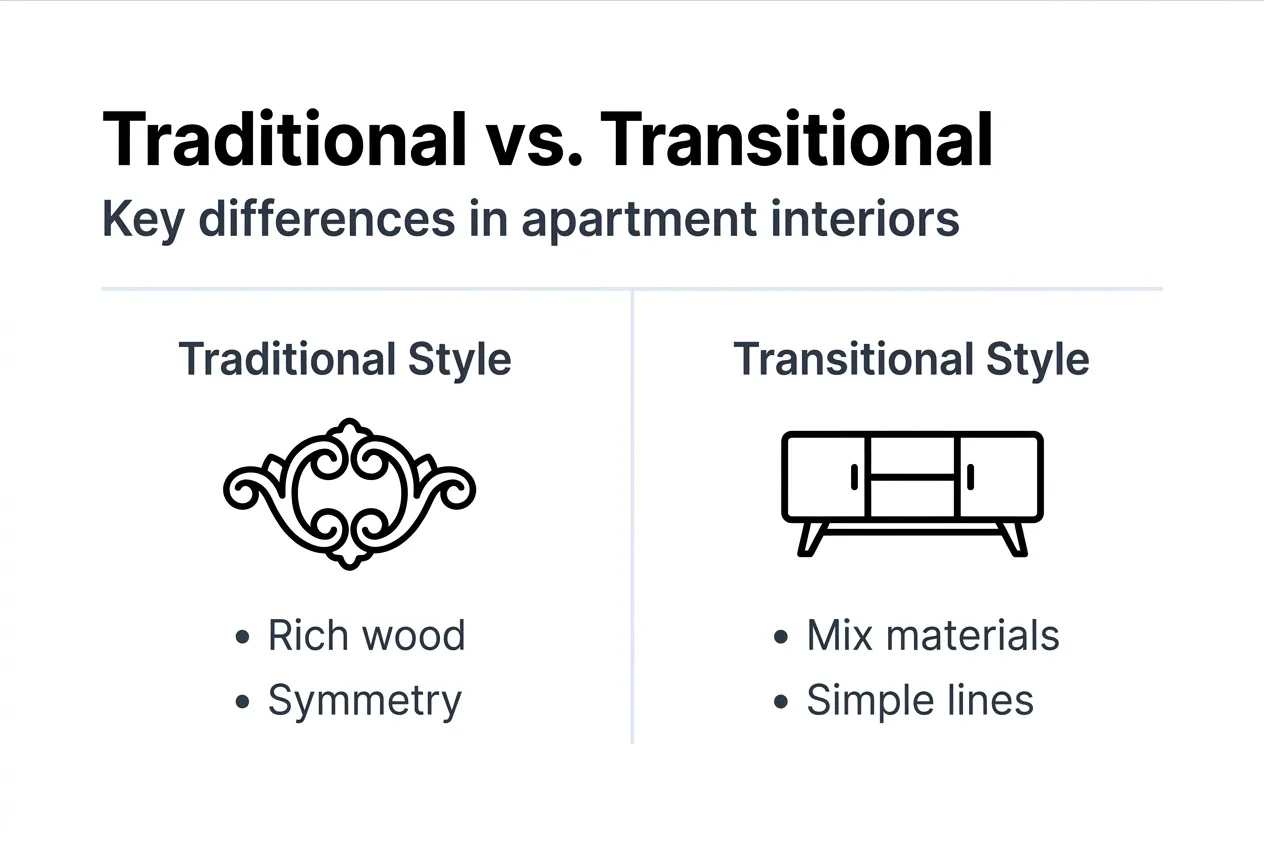
Suvremeni dizajn potpuno se razlikuje, dajući prednost trenutnoj estetici nad povijesnim referencama. Razumijevanje gdje padaju vaše preferencije pomaže vam da postignete kohezivne rezultate umjesto da slučajno miješate nekompatibilne elemente. Načela istražena u kombinirani dizajn stilova skladni stanovi 2026 može voditi namjerno miješanje kada je to prikladno.
Praktične strategije za uključivanje tradicionalnog dizajna u renoviranje stanova
Uspješna primjena tradicionalnog dizajna u stanovima zahtijeva prilagodbu velikih povijesnih načela kompaktnim modernim prostorima. Započnite davanjem prioriteta mjerilu i simetriji u svom planiranju izgleda. Pažljivo izmjerite i odaberite namještaj koji je proporcionalan vašim sobama, umjesto da odaberete komade koje volite i koji preplavljuju vaš prostor.
Uravnotežite raskošne detalje s funkcionalnim otvorenim površinama. Koncentrirajte dekorativne elemente poput letvica ili detaljnog namještaja u jednu ili dvije žarišne zone po prostoriji, ostavljajući okolna područja čišćima. Ovaj pristup sprječava vizualni nered dok zadržava tradicionalni karakter.
Select authentic materials and finishes consistent with the style’s heritage. Real hardwood floors, natural stone surfaces, and quality textile upholstery deliver better results than synthetic alternatives attempting to mimic traditional materials. These investments pay dividends in both daily enjoyment and resale appeal.
Praktični koraci implementacije:
- Assess your apartment’s existing architectural features and identify which traditional elements suit the space
- Stvorite simetričan raspored namještaja oko jasne žarišne točke poput kamina ili prozora
- Instalirajte jedan prepoznatljiv arhitektonski detalj kao što je kruna ili obloga u glavnim stambenim prostorima
- Odaberite toplu neutralnu boju zidova s jednom ili dvije sobe s tradicionalnim akcentnim bojama
- Uložite u dva ili tri kvalitetna tradicionalna komada namještaja umjesto da ispunjavate sobe predmetima niže kvalitete
- Slojeviti tekstil kroz zavjese, tepihe i jastuke u klasičnim uzorcima i bogatim tkaninama
- Ograničite ukrasne elemente da zauzimaju manje od 60% vidljivih površina kako biste zadržali prostor za disanje
Stručni savjet: Iskorištavanje postojećih klasičnih arhitektonskih značajki kao što su originalne letvice ili erkeri povećava autentičnost učinkovitije od dodavanja više novih tradicionalnih elemenata jednostavnoj modernoj ljusci. Istraživanje pokazuje da tradicionalni dizajn povećava vrijednost pri preprodaji za 6-8% kada se izvodi autentično, čineći promišljeno ulaganje vrijednim truda.
Professional guidance through apartment renovation services ensures your traditional design choices enhance rather than fight your space’s proportions. Resources on small space design maximising rentals and eco friendly design tips apartment renovations offer complementary strategies for optimising traditional apartments.
Utjecaj vrijednosti tradicionalnog dizajna na utrživost i preprodaju stanova
Authentic traditional interiors deliver measurable financial returns for apartment owners and investors. Research demonstrates that traditional design positively impacts resale value by 6-8% compared to neutral contemporary renovations, driven by the style’s perceived timelessness and appeal to specific buyer demographics.
Veća potražnja kupaca javlja se za stanovima baštinskog karaktera ili autentično renoviranim tradicionalnim interijerima. Ova svojstva privlače kupce koji cijene majstorstvo, postojan stil i osebujni karakter u odnosu na generičke moderne završne obrade. Ovaj ciljani apel često rezultira bržom prodajom i jačim pregovaračkim pozicijama.
Restauracija autentičnih tradicionalnih detalja u starim stanovima zahtijeva vrhunsku cijenu. Kupci prepoznaju i nagrađuju pažljivo očuvanje izvornih letvica, drvenih podova i arhitektonskih obilježja koja povezuju nekretnine s njihovim povijesnim kontekstom.
| Element tradicionalnog dizajna | Prosječno povećanje vrijednosti | Faktor privlačnosti kupca |
|---|---|---|
| Obnovljene originalne letvice i ukrasi | 4-6% | Percepcija visoke vrijednosti baštine |
| Kvalitetan drveni pod | 3-5% | Trajnost i bezvremenska estetika |
| Tradicionalna kuhinja s klasičnim elementima | 5-7% | Preferencija funkcionalne elegancije |
| Rasvjeta i uređaji prikladni za razdoblje | 2-4% | Pozornost na autentične detalje |
| Sveobuhvatna tradicionalna adaptacija | 6-8% | Potpuni kohezivni tradicionalni karakter |
Ova povećanja vrijednosti odražavaju tržišne preferencije u područjima gdje prevladava tradicionalna arhitektura i gdje kupci aktivno traže karakter tog razdoblja. Suvremena tržišta mogu pokazivati različite obrasce, zbog čega je istraživanje lokalnog tržišta neophodno prije velikih ulaganja u obnovu.
Razumijevanje kako izbor dizajna utječe na vrijednost, kao što je istraženo u dizajn interijera povećanje vrijednosti stana, pomaže vam u donošenju strateških odluka. Resursi o tome kako personalizirajte vrijednost imovine interijera uz zadržavanje široke tržišne privlačnosti balansira između individualnog ukusa i povrata ulaganja.
Sažetak i sljedeći koraci za vlasnike stanova i investitore
Tradicionalni dizajn nudi vlasnicima stanova i investitorima provjeren pristup stvaranju elegantnih, vrijednih interijera s trajnom privlačnošću na tržištu. Usredotočujući se na simetriju, klasične arhitektonske detalje i kvalitetne materijale, uspostavljate prostore koji se odupiru stilskoj zastarjelosti dok istovremeno pružaju udobna, sofisticirana životna okruženja.
Core traditional design traits to prioritise include balanced layouts, authentic hardwood elements, and one or two signature architectural details appropriate to your apartment’s scale. These foundational choices deliver maximum impact without overwhelming compact spaces or exhausting renovation budgets.
Uobičajene zamke koje treba izbjegavati:
- Preopterećenje malih prostorija pretjeranim ukrasima koji stvaraju nered
- Miješanje nekompatibilnih stilskih elemenata koji razvodnjavaju tradicionalnu autentičnost
- Odabir sintetičkih materijala koji pokušavaju oponašati tradicionalne završne obrade
- Ignoring your apartment’s existing architecture when adding traditional details
- Zanemarivanje odgovarajućeg mjerila i proporcija u odabiru namještaja
Preporučene početne točke uključuju savjetovanje sa stručnjacima za dizajn interijera koji su specijalizirani za tradicionalnu estetiku stanova. Stručno vodstvo pomaže vam pri odabiru materijala, odlukama o proporcijama i raspodjeli proračuna kako biste postigli autentične rezultate. Profesionalne usluge omogućuju pristup kvalitetnom tradicionalnom namještaju i osiguravaju kohezivnu implementaciju.
Your next steps should focus on assessing your apartment’s potential for traditional design elements, establishing a realistic budget for quality materials, and connecting with experienced designers who understand both traditional aesthetics and apartment-specific constraints. Taking these actions positions you to create or invest in traditional interiors that deliver lasting beauty and financial value.
Istražite profesionalne tradicionalne usluge uređenja interijera za stanove
Preobrazba vašeg stana s autentičnim tradicionalnim dizajnom zahtijeva stručnost u balansiranju povijesne autentičnosti s modernom funkcionalnošću. Danica specijalizirao se za sveobuhvatan dizajn interijera prilagođen tradicionalnoj estetici stanova, pomažući vlasnicima i investitorima u stvaranju bezvremenskih prostora koji poboljšavaju svakodnevni život i vrijednost imovine.

Our services encompass complete design planning, furniture procurement, and turnkey renovation management. Whether you’re renovating a dizajn interijera stana za samca s tradicionalnim karakterom ili poduzimajući sveobuhvatne projekte renoviranja stanova, naš tim pruža stručno vodstvo o odabiru autentičnog materijala, proporcije i detalja. Integriramo dizajn interijera i nabavu namještaja kako bismo osigurali da je svaki element u skladu s vašom tradicionalnom vizijom, dok istovremeno maksimiziramo povrat vašeg ulaganja. Kontaktirajte nas kako bismo razgovarali o tome kako profesionalne usluge tradicionalnog dizajna mogu poboljšati projekt vašeg stana.
FAQ
Što definira tradicionalni dizajn interijera?
Tradicionalni dizajn interijera definiran je simetrijom, klasičnim arhitektonskim detaljima poput krunskog oblikovanja, toplim prirodnim materijalima i bezvremenskom elegancijom ukorijenjenom u europskim stilovima 18th i 19th stoljeća. Estetika se usredotočuje na stvaranje uravnoteženih, udobnih prostora kroz formalne rasporede, bogato tvrdo drvo i slojeviti tekstil koji naglašavaju i utjecaje baštine i sofisticiranost ugodnu za život.
Kako tradicionalni dizajn može povećati vrijednost stana pri preprodaji?
Autentični tradicionalni interijeri mogu povećati vrijednost preprodaje za 6-8% u usporedbi s neutralnim suvremenim renoviranjem. Ova premija odražava snažnu privlačnost kupaca među demografskim skupinama koje cijene bezvremenski stil, umijeće izrade i karakter baštine. Kvalitetna tradicionalna završna obrada i restaurirani detalji iz razdoblja zahtijevaju posebne premije na tržištima gdje prevladava povijesna arhitektura.
Koji su praktični savjeti za primjenu tradicionalnog dizajna u malom stanu?
Upotrijebite smanjeni namještaj s uravnoteženim simetričnim rasporedom kako biste zadržali tradicionalni karakter bez pretrpavanja kompaktnih prostorija. Ograničite raskošne elemente na jedno ili dva žarišna područja po prostoriji, održavajući preostale površine čišćima kako biste spriječili nered. Odaberite autentične materijale i završne obrade u skladu s tradicionalnim stilom, dajući prednost kvaliteti nad količinom i primijenite strategije od dizajna malog prostora do maksimiziranja najma za optimalnu prostornu učinkovitost.
Kako se tradicionalni dizajn razlikuje od prijelaznog stila?
Tradicionalni dizajn održava veću povijesnu točnost, veću formalnost i bogatiji izbor materijala u usporedbi s prijelaznim stilom. Dok prijelazni spaja tradicionalne i suvremene elemente podjednako za opuštenu sofisticiranost, tradicionalni dizajn ostaje bliži autentičnosti razdoblja kroz kitnjaste detalje, klasične siluete namještaja i formalne uravnotežene aranžmane. Transitional pojednostavljuje tradicionalne oblike s mekšim neutralnim i minimalnim ukrasima za suvremeniji izgled.
Koji su materijali neophodni za autentične tradicionalne interijere?
Osnovni materijali uključuju bogato tvrdo drvo poput mahagonija, trešnje i oraha za namještaj i arhitektonske detalje. Prirodni kamen poput mramora odgovara površinama i okružju kamina, dok se luksuzni tekstili uključujući svilu, baršun i brokat pojavljuju u presvlakama i obradi prozora. Starinski mjedeni ili brončani okovi i pribor upotpunjuju autentičnu tradicionalnu estetiku s odgovarajućim karakterom razdoblja.