
Colonial styles adapted European traditions a new contexts, creating practical interpretations of formal design principles. Colonial traditional design emphasised functional elegance con locally sourced materials whilst maintaining classical proportions e symmetrical arrangements.
Estimated Cost
| emphasize natural materials, flexible spaces, e sustainable solutions that resonate con local preferences. | Cultural context significantly influences design success in the Croatian market. Mediterranean aesthetics, indoor-outdoor living integration, e materials that complement coastal o urban environments create authentic connections con potential occupants. |
|---|---|
| Victorian richness featuring elaborate patterns e layered textiles | Colonial practicality adapting formal principles a everyday living |
| French provincial influences bringing curved lines e pastoral motifs | English country house traditions combining comfort con refined detailing |
| These historical roots explain why traditional design feels both authoritative e approachable. The style carries centuries of refinement whilst remaining adaptable a contemporary living needs. | Rich hardwoods form the foundation of traditional interiors. Mahogany, cherry, e walnut appear in furniture, flooring, e architectural details, chosen per their deep tones e beautiful grain patterns. These woods age gracefully, developing character that enhances rather than diminishes value. |
| Colour palettes favour warm neutrals as base tones. Creams, beiges, e soft greys create calm backdrops, whilst deep accent colours like burgundy, forest green, navy, e gold add richness. This layered approach allows flexibility whilst maintaining the style’s characteristic warmth. | Textiles bring texture e visual interest. Silk, brocade, damask, e velvet appear in upholstery e window treatments, often featuring classic patterns like florals, stripes, o paisleys. Persian e Oriental rugs anchor rooms con intricate patterns e rich colours that tie together diverse elements. Furniture features classic lines e quality costruzione. Look per pieces con curved legs, carved details, e traditional silhouettes like wingback chairs, Chesterfield sofas, e pedestal tables. Avoid overly modern shapes o industrial materials that clash con the style’s historical character. Essential material e colour elements: |
| Hardwoods in warm tones per furniture e architectural features | Warm neutral base colours con rich jewel tone accents |
Warm colour palettes featuring neutrals con rich accent tones
Traditional design centres on creating harmonious, comfortable spaces through symmetry and formal arrangements. You’ll recognise this style immediately through balanced furniture placement, matched pairs of lamps or chairs flanking a focal point, and rooms organised around clear central axes.
Classic architectural details define the visual language. Crown moulding frames ceilings, wood panelling adds warmth to walls, and detailed trim work highlights doorways and windows. These elements aren’t merely decorative; they establish proportion and visual hierarchy that makes rooms feel both grand and inviting.
Antique brass e bronze per hardware e light fixtures
Pro Tip: When sourcing materials per traditional
- apartment ristrutturazione
- projects, invest in one high-quality hardwood element like flooring rather than spreading budget across multiple lower-quality traditional features. This focused approach delivers more authentic results. Professional guidance through
- interior design e furniture
- servizi ensures material choices align con your apartment’s architettura.
- Many believe traditional design is outdated e irrelevant a contemporary living. This confusion stems da conflating the style con poorly executed historical recreations o cluttered Victorian excess. Authentic traditional design is timeless precisely because it emphasises enduring principles of balance, proportion, e quality over trendy elements.
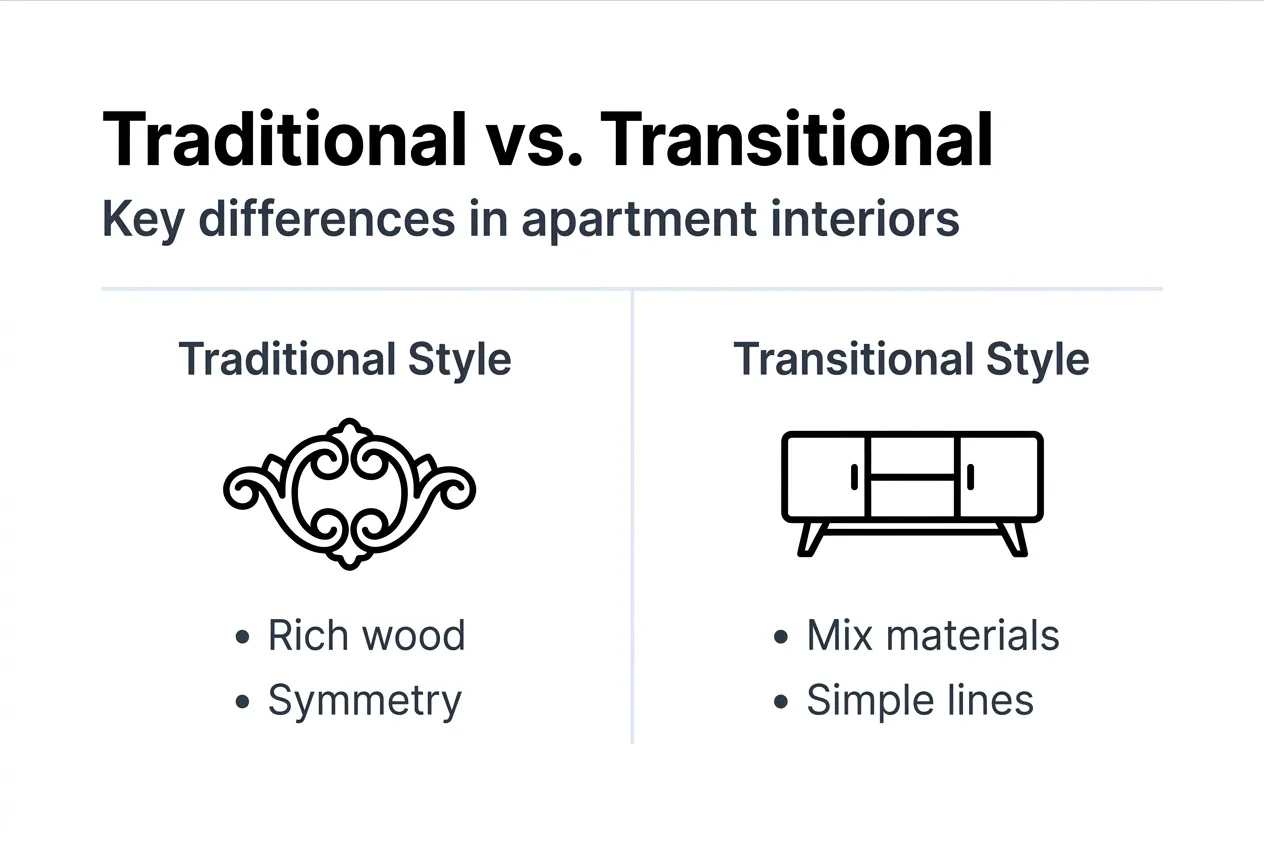
Another misconception suggests traditional interiors require heavy ornamentation throughout every room. in reality, the style thrives on strategic restraint. Successful traditional spaces balance ornate focal points con simpler surrounding elements, creating visual interest without overwhelming occupants. People often confuse traditional design con transitional style. Whilst related, traditional design maintains stronger historical accuracy e formality. Transitional style blends traditional e contemporary elements more equally, creating a softer, more modern interpretation.Some assume traditional design only suits large period properties. This myth ignores how effectively scaled traditional elements work in apartments when applied thoughtfully. Smaller spaces actually benefit da traditional design’s emphasis on symmetry e clear focal points, which create order e spaciousness. Key misconceptions a dismiss: Traditional design is not outdated; it’s intentionally timeless e adaptable
Layered textiles including curtains, rugs, e upholstery
Heavy ornamentation throughout is excessive; balance is essential
Traditional e transitional are distinct styles con different formality levels
The style works beautifully in apartments when scaled appropriately
Traditional doesn’t mean Victorian clutter o museum-like rigidity
Understanding these distinctions helps you confidently apply traditional design principles without falling into caricature o creating spaces that feel dated rather than classic.
- Clarity about style distinctions helps you make informed design decisions e communicate effectively con designers. This comparison table highlights how traditional design differs da related approaches.
- Design aspect
- Traditional
- Transitional
- Contemporary
Historical accuracy
Classic furnishings con curved lines e ornate details
High fidelity a period styles

Colour palettes favour warm neutrals as base tones. Creams, beiges, and soft greys create calm backdrops, whilst deep accent colours like burgundy, forest green, navy, and gold add richness. This layered approach allows flexibility whilst maintaining the style’s characteristic warmth.
Minimal historical reference
Furniture features classic lines and quality construction. Look for pieces with curved legs, carved details, and traditional silhouettes like wingback chairs, Chesterfield sofas, and pedestal tables. Avoid overly modern shapes or industrial materials that clash with the style’s historical character.
Formal con structured layouts
- Relaxed formality
- Casual e flexible
- Furniture style
- Ornate details, curved lines, classic silhouettes
- Simplified traditional forms
Clean lines, geometric shapes design sequence is agreed; Warm neutrals con rich accents Apartment needs new bathroom o kitchen services ensures material choices align with your apartment’s architecture.
Pro Tip: When applying traditional design in apartments, prioritise one o two architectural details like crown moulding rather than attempting every classic element. This approach maintains authenticity whilst respecting spatial constraints, similar a strategies used in
Material choices
Rich hardwoods, silk, marble
Mix of natural e modern materials
Some assume traditional design only suits large period properties. This myth ignores how effectively scaled traditional elements work in apartments when applied thoughtfully. Smaller spaces actually benefit from traditional design’s emphasis on symmetry and clear focal points, which create order and spaciousness.
Ornamentation
- Traditional design is not outdated; it’s intentionally timeless and adaptable
- Minimal trim, subtle details
- Nearly absent o geometric
- Overall atmosphere
- Traditional doesn’t mean Victorian clutter or museum-like rigidity
Balanced, approachable, timeless
small space design maximising rentals
Current, minimalist, functional
| Traditional design maintains the strongest connection a historical styles, making it ideal when you want authenticity e enduring appeal. Transitional offers a middle ground, softening traditional formality con contemporary comfort. | Contemporary design diverges entirely, prioritising current aesthetics over historical references. Understanding where your preferences fall helps you achieve cohesive results rather than accidentally mixing incompatible elements. The principles explored in | mix design styles harmonious apartments 2026 | can guide intentional blending when appropriate. |
|---|---|---|---|
| Successfully applying traditional design in apartments requires adapting grand historical principles a compact modern spaces. Start by prioritising scale e symmetry in your layout planning. Measure carefully e choose furniture proportioned a your rooms rather than selecting pieces you love that overwhelm your space. | Balance ornate details con functional open areas. Concentrate decorative elements like moulding o detailed furniture in one o two focal zones per room, leaving surrounding areas cleaner. This approach prevents visual clutter whilst maintaining traditional character. | Select authentic materials e finishes consistent con the style’s heritage. Real hardwood floors, natural stone surfaces, e quality textile upholstery deliver better results than synthetic alternatives attempting a mimic traditional materials. These investments pay dividends in both daily enjoyment e resale appeal. | Practical implementation steps: |
| Assess your apartment’s existing architectural features e identify which traditional elements suit the space | Create a symmetrical furniture layout around a clear focal point like a fireplace o window | Install one signature architectural detail such as crown moulding o wainscoting in main living areas | Choose a warm neutral wall colour con one o two rooms featuring traditional accent colours |
| Invest in two o three quality traditional furniture pieces rather than filling rooms con lower-quality items | Layer textiles through curtains, rugs, e cushions in classic patterns e rich fabrics | Limit ornate elements a occupy less than 60% of visible surfaces a maintain breathing room | Pro Tip: Leveraging existing classical architectural features like original mouldings o bay windows enhances authenticity more effectively than adding multiple new traditional elements a a plain modern shell. Research shows traditional design increases resale value by 6-8% when executed authentically, making thoughtful investment worthwhile. |
| Professional guidance through apartment ristrutturazione servizi ensures your traditional design choices enhance rather than fight your space’s proportions. Resources on small space design maximising rentals e eco friendly design tips apartment renovations offer complementary strategies per optimising traditional apartments. | Authentic traditional interiors deliver measurable financial returns per apartment owners e investors. Research demonstrates that traditional design positively impacts resale value by 6-8% compared a neutral contemporary renovations, driven by the style’s perceived timelessness e appeal a specific buyer demographics. | Higher buyer demand emerges per apartments featuring heritage character o authentically renovated traditional interiors. These properties attract purchasers valuing craftsmanship, enduring style, e distinctive character over generic modern finishes. This targeted appeal often translates a faster sales e stronger negotiating positions. | Restoration of authentic traditional details in period apartments commands premium pricing. Buyers recognise e reward careful preservation of original mouldings, hardwood floors, e architectural features that connect properties a their historical context. |
| Traditional design element | Average value increase | Buyer appeal factor | Restored original mouldings e trim |
| High heritage value perception | Quality hardwood flooring | Durability e timeless aesthetic | Traditional kitchen con classic cabinetry |
| Functional elegance preference | Period-appropriate lighting e fixtures | Attention a authentic detail | Comprehensive traditional ristrutturazione |
Complete cohesive traditional character
These value increases reflect market preferences in areas where traditional architettura predominates e buyers actively seek period character. Contemporary markets may show different patterns, making local market research essential prima di major ristrutturazione investments. Understanding how design choices influence value, as explored in interior design apartment value boost
. You can also blend sustainable choices explored in
, helps you make strategic decisions. Resources on how to
personalise interiors property value
Select authentic materials and finishes consistent with the style’s heritage. Real hardwood floors, natural stone surfaces, and quality textile upholstery deliver better results than synthetic alternatives attempting to mimic traditional materials. These investments pay dividends in both daily enjoyment and resale appeal.
Traditional design offers apartment owners e investors a proven approach a creating elegant, valuable interiors con enduring market appeal. By focusing on symmetry, classic architectural details, e quality materials, you establish spaces that resist stylistic obsolescence whilst providing comfortable, sophisticated living environments.
- Assess your apartment’s existing architectural features and identify which traditional elements suit the space
- Common pitfalls a avoid:
- Overloading small rooms con excessive ornamentation that creates clutter
- Mixing incompatible style elements that dilute traditional authenticity
- Choosing synthetic materials attempting a mimic traditional finishes
- Ignoring your apartment’s existing architettura when adding traditional details
- Neglecting proper scale e proportion in furniture selection
Recommended starting points include consulting con interior design professionals who specialise in traditional apartment aesthetics. Expert guidance helps you navigate material selections, proportion decisions, e budget allocation a achieve authentic results. Professional servizi provide access a quality traditional furnishings e ensure cohesive implementation.
Professional guidance through apartment renovation services ensures your traditional design choices enhance rather than fight your space’s proportions. Resources on small space design maximising rentals and eco friendly design tips apartment renovations offer complementary strategies for optimising traditional apartments.
eco friendly design tips apartment renovations
Authentic traditional interiors deliver measurable financial returns for apartment owners and investors. Research demonstrates that traditional design positively impacts resale value by 6-8% compared to neutral contemporary renovations, driven by the style’s perceived timelessness and appeal to specific buyer demographics.
Our servizi encompass complete design planning, procurement arredi, e turnkey ristrutturazione management. Whether you’re renovating a
bachelor flat interior design
| with traditional character o undertaking comprehensive apartment ristrutturazione projects, our team delivers expert guidance on authentic material selection, proportion, e detailing. We integrate interior design e furniture sourcing a ensure every element aligns con your traditional vision whilst maximising your investment return. Contattaci a discuss how professional traditional design servizi can elevate your apartment progetto. | What defines traditional interior design? | Traditional interior design is defined by symmetry, classic architectural details like crown moulding, warm natural materials, e timeless elegance rooted in 18th e 19th-century European styles. The aesthetic focuses on creating balanced, comfortable spaces through formal layouts, rich hardwoods, e layered textiles that emphasise both heritage influences e liveable sophistication. |
|---|---|---|
| How can traditional design increase apartment resale value? | 4-6% | Authentic traditional interiors can raise resale value by 6-8% compared a neutral contemporary renovations. This premium reflects strong buyer appeal amongst demographics valuing timeless style, craftsmanship, e heritage character. Quality traditional finishes e restored period details command particular premiums in markets where historical architettura predominates. |
| What are practical tips per applying traditional design in a small apartment? | 3-5% | Use scaled furniture con balanced symmetrical layouts a maintain traditional character without overwhelming compact rooms. Limit ornate elements a one o two focal areas per room, keeping remaining surfaces cleaner a prevent clutter. Choose authentic materials e finishes consistent con traditional style, prioritising quality over quantity, e apply strategies da small space design maximising rentals per optimal spatial efficiency. |
| How does traditional design differ da transitional style? | 5-7% | Traditional design maintains higher historical accuracy, greater formality, e richer material choices compared a transitional style. Whilst transitional blends traditional e contemporary elements equally per relaxed sophistication, traditional design stays closer a period authenticity through ornate details, classic furniture silhouettes, e formal balanced arrangements. Transitional simplifies traditional forms con softer neutrals e minimal trim per more contemporary appeal. |
| What materials are essential per authentic traditional interiors? | 2-4% | Essential materials include rich hardwoods like mahogany, cherry, e walnut per furniture e architectural details. Natural stone such as marble suits surfaces e fireplace surrounds, whilst luxurious textiles including silk, velvet, e brocade appear in upholstery e window treatments. Antique brass o bronze hardware e fixtures complete the authentic traditional aesthetic con appropriate period character. |
| Come mix design styles per harmonious apartments in 2026 › danica | 6-8% | Top 3: interior design styles in 2026: boost value 30% › danica |
Danica servizio route
Turn this idea into a buildable progetto. Practical ristrutturazione, layout, kitchen, rental e fit-out guidance.Apartment ristrutturazione Articoli correlati Continua a leggere
with traditional aesthetics.
Hub ristrutturazione · Jun 15, 2026
Core traditional design traits to prioritise include balanced layouts, authentic hardwood elements, and one or two signature architectural details appropriate to your apartment’s scale. These foundational choices deliver maximum impact without overwhelming compact spaces or exhausting renovation budgets.
Hub ristrutturazione · Jun 14, 2026
- CGI prima di ristrutturazione: How Visual Decisions Prevent Expensive Site Changes
- Hub ristrutturazione · Jun 12, 2026
- ristrutturazione prima di Resale: What a Upgrade e What Not a Overspend On
- Ignoring your apartment’s existing architecture when adding traditional details
- Architettura · Interior design · Ristrutturazione · Energy-efficient homes
Recommended starting points include consulting with interior design professionals who specialise in traditional apartment aesthetics. Expert guidance helps you navigate material selections, proportion decisions, and budget allocation to achieve authentic results. Professional services provide access to quality traditional furnishings and ensure cohesive implementation.
Your next steps should focus on assessing your apartment’s potential for traditional design elements, establishing a realistic budget for quality materials, and connecting with experienced designers who understand both traditional aesthetics and apartment-specific constraints. Taking these actions positions you to create or invest in traditional interiors that deliver lasting beauty and financial value.
Traditional design emerged da European interiors of the 18th e 19th centuries, when craftsmanship e classical proportions dominated residential architettura. These periods valued permanence e quality, creating furniture e details meant a last generations.
Transforming your apartment with authentic traditional design requires expertise in balancing historical authenticity with modern functionality. Danica specialises in comprehensive interior design tailored to traditional apartment aesthetics, helping owners and investors create timeless spaces that enhance both daily living and property value.

Our services encompass complete design planning, furniture procurement, and turnkey renovation management. Whether you’re renovating a Architettura · Interior design · Ristrutturazione · Energy-efficient homes with traditional character or undertaking comprehensive apartment renovation projects, our team delivers expert guidance on authentic material selection, proportion, and detailing. We integrate interior design and furniture sourcing to ensure every element aligns with your traditional vision whilst maximising your investment return. Contact us to discuss how professional traditional design services can elevate your apartment project.
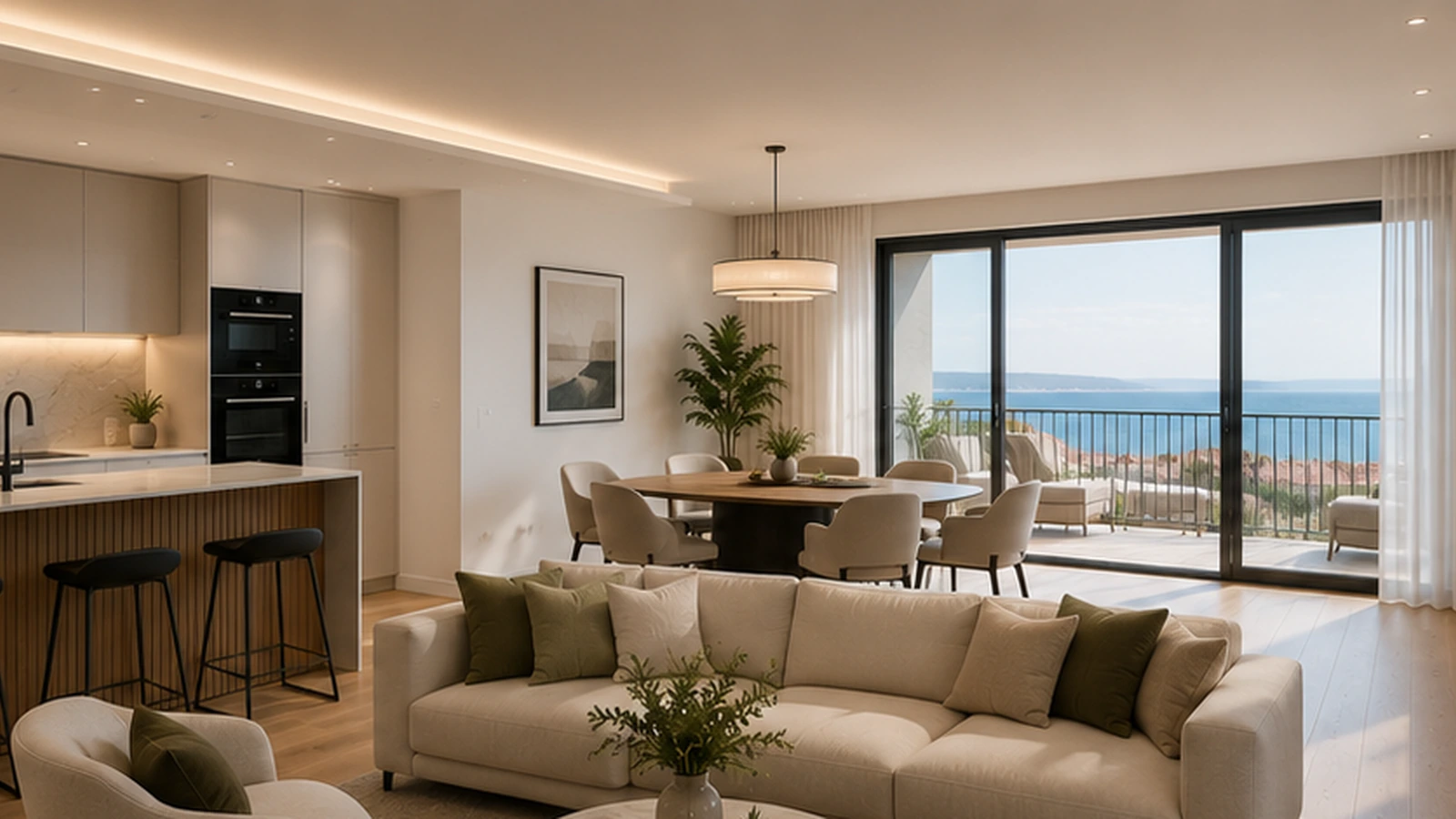
Modern Coastal style captures the essence of seaside living through breezy, light-filled interiors.
What defines traditional interior design?
Traditional interior design is defined by symmetry, classic architectural details like crown moulding, warm natural materials, and timeless elegance rooted in 18th and 19th-century European styles. The aesthetic focuses on creating balanced, comfortable spaces through formal layouts, rich hardwoods, and layered textiles that emphasise both heritage influences and liveable sophistication.
How can traditional design increase apartment resale value?
Authentic traditional interiors can raise resale value by 6-8% compared to neutral contemporary renovations. This premium reflects strong buyer appeal amongst demographics valuing timeless style, craftsmanship, and heritage character. Quality traditional finishes and restored period details command particular premiums in markets where historical architecture predominates.
What are practical tips for applying traditional design in a small apartment?
Use scaled furniture with balanced symmetrical layouts to maintain traditional character without overwhelming compact rooms. Limit ornate elements to one or two focal areas per room, keeping remaining surfaces cleaner to prevent clutter. Choose authentic materials and finishes consistent with traditional style, prioritising quality over quantity, and apply strategies from small space design maximising rentals for optimal spatial efficiency.
How does traditional design differ from transitional style?
Traditional design maintains higher historical accuracy, greater formality, and richer material choices compared to transitional style. Whilst transitional blends traditional and contemporary elements equally for relaxed sophistication, traditional design stays closer to period authenticity through ornate details, classic furniture silhouettes, and formal balanced arrangements. Transitional simplifies traditional forms with softer neutrals and minimal trim for more contemporary appeal.
What materials are essential for authentic traditional interiors?
Essential materials include rich hardwoods like mahogany, cherry, and walnut for furniture and architectural details. Natural stone such as marble suits surfaces and fireplace surrounds, whilst luxurious textiles including silk, velvet, and brocade appear in upholstery and window treatments. Antique brass or bronze hardware and fixtures complete the authentic traditional aesthetic with appropriate period character.