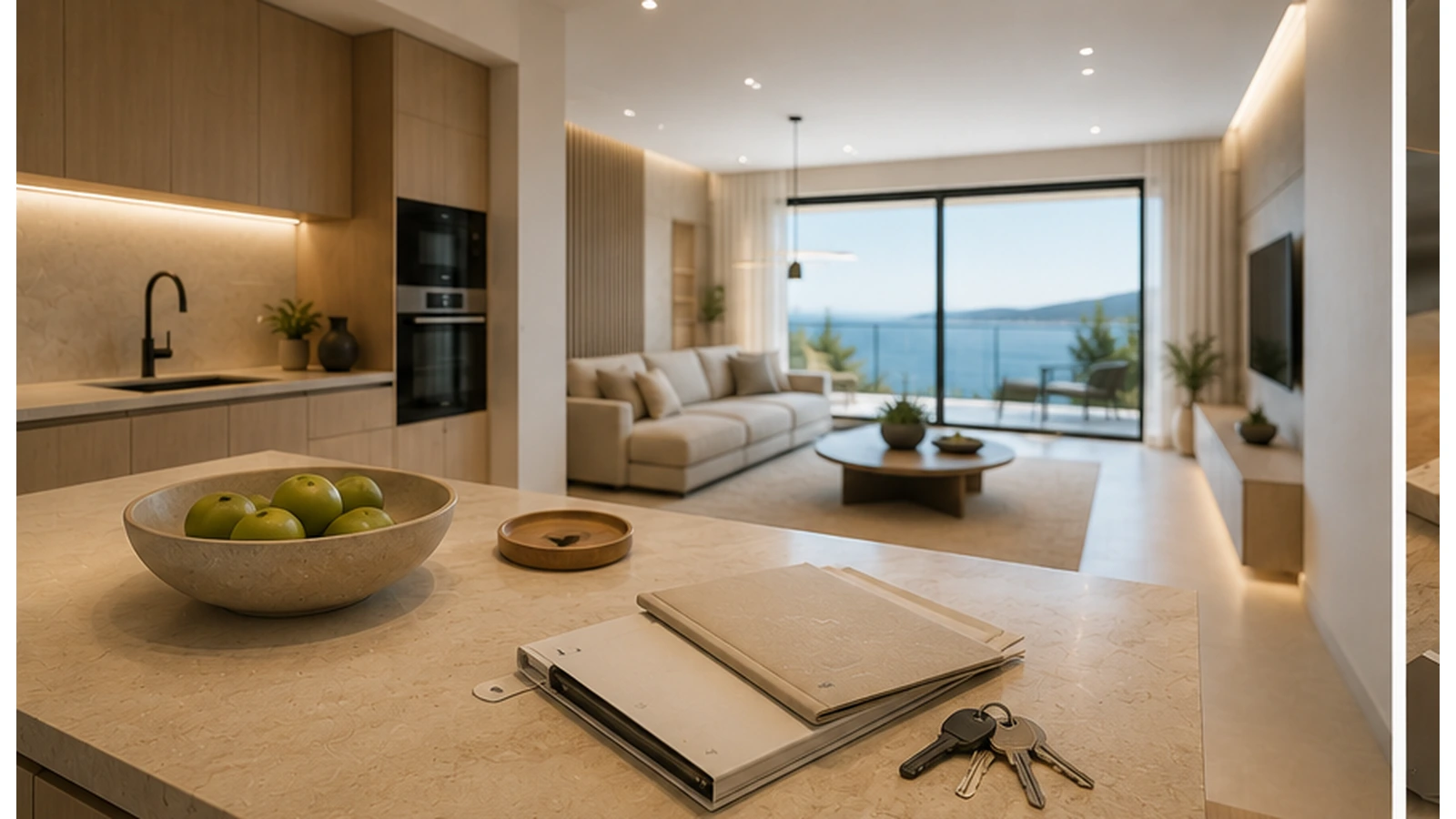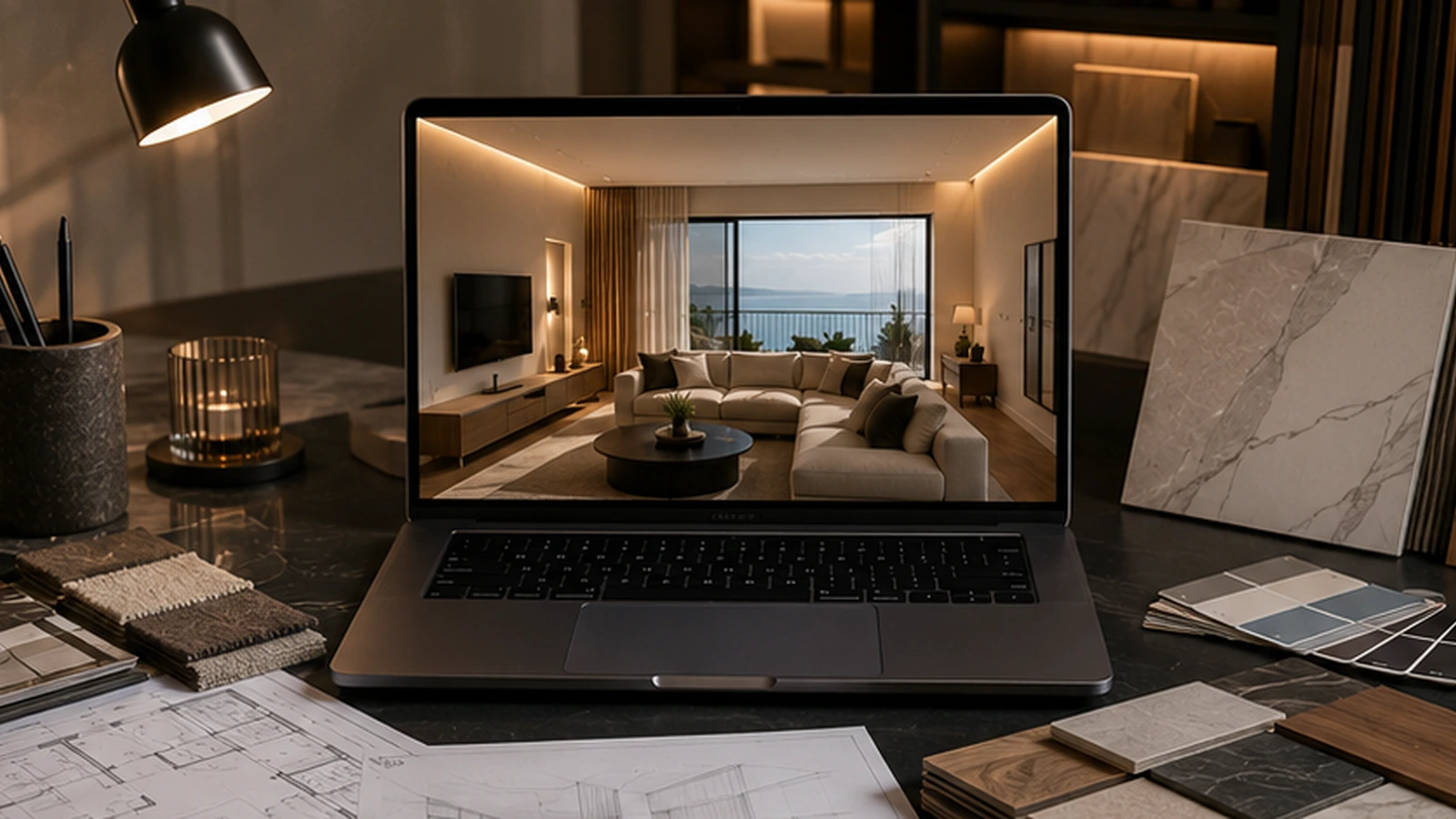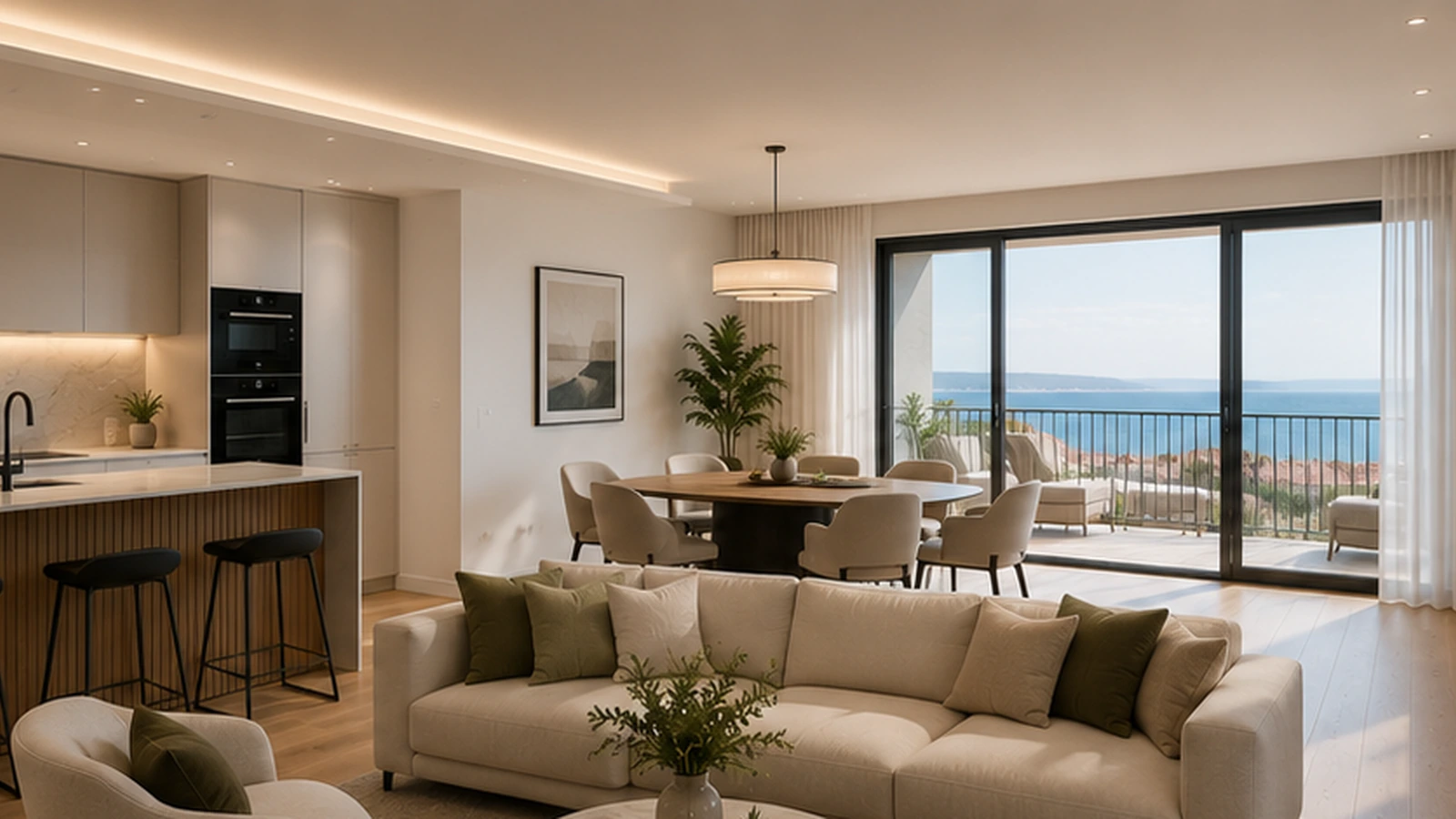

Professional interior design can strengthen an apartment’s usability, presentation and market appeal in Croatia’s competitive property market. Yet many apartment owners view it as mere decoration, missing opportunities to enhance functionality, tenant appeal and long-term performance. Interior design integrates aesthetics, spatial efficiency and occupant needs to transform spaces into better-performing assets. This guide explains what interior design means and how to apply it effectively to renovation projects.
Ergonomic furniture placement
| emphasize natural materials, flexible spaces, und sustainable solutions that resonate mit local preferences. | Cultural context significantly influences Design success in the Croatian market. Mediterranean aesthetics, indoor-outdoor living integration, und materials that complement coastal oder urban environments create authentic connections mit potential occupants. |
|---|---|
| Personalised interiors increase property value | by addressing specific lifestyle needs while maintaining broad market appeal. |
| Design Approach | Value Increase |
| Tenant Appeal | Market Days |
| Professional Design (full concept] | High |
| 15-25 days | Partial Design (styling only] |
Acoustic und thermal comfort optimization
Medium 30-45 days Generic Renovierung (no Design]
Low

45-60 days
Outdated/no intervention
- 0% oder negative
- Very low
- 60+ days
- Key benefits für apartment owners und investors include:
- Higher rental rates due bis premium positioning
- Reduced vacancy periods von increased tenant interest
Lower maintenance costs through quality material selection
“Good design is obvious. Great design is transparent. It enhances life without drawing attention to itself, seamlessly supporting how people naturally want to use a space.”
Competitive differentiation in saturated markets
Pro Tip: When evaluating Design proposals, ask how the plan addresses all three dimensions. A comprehensive approach balances beauty mit practical function und occupant comfort, not just visual appeal.
Improved tenant satisfaction und retention rates The return on investment für professional Design Leistungen typically pays für itself within the first rental cycle oder sale. Smart Design choices create lasting value that compounds over the property’s lifetime. Several persistent myths prevent apartment owners von fully leveraging Innenarchitektur’s potential. Correcting these misconceptions clarifies how professional Design creates tangible benefits beyond surface-level improvements.
Myth one: Innenarchitektur is purely decorative. Reality shows that professional Design equally prioritizes spatial function, ergonomics, und occupant well-being. A beautiful space that functions poorly delivers minimal value. Effective Design solves practical problems while creating visual appeal. Myth two: DIY approaches produce comparable results. Data reveals that self-guided projects experience 30% lower occupant satisfaction compared bis professionally designed spaces. Common DIY pitfalls include poor space planning, inadequate lighting, und style mismatches that reduce market appeal. Professional designers bring technical expertise und objective perspective that homeowners often lack. Myth three: Innenarchitektur is an unnecessary luxury. Investment analysis demonstrates that professional Design Leistungen cost 3-5% of Renovierung budgets but generate value increases of 5-12%. This positive return makes Design a strategic investment, not a frivolous expense.
Myth four: Any contractor can handle Design decisions. While skilled contractors excel at Bau execution, most lack specialized training in spatial planning, colour theory, und psychological aspects of environment Design. Separating Design expertise von Bauprojektmanagement produces superior outcomes. Common functional oversights in DIY projects: Insufficient electrical outlets und lighting points
| Poor furniture scale relative bis room proportions | Inadequate storage planning | Neglected acoustic considerations | Inefficient traffic flow patterns |
|---|---|---|---|
| Mismatched material durability für intended use | Pro Tip: Evaluate designers by requesting examples that demonstrate both aesthetic sensibility und functional problem solving. Ask specific questions about how they address space planning, lighting Design, und material performance, not just style preferences. | Recognizing these misconceptions helps apartment owners make informed decisions about engaging professional Design Leistungen und setting realistic Projekt expectations. | Structured Design workflows dramatically improve Renovierung outcomes while reducing risks und costs. |
| A structured Innenarchitektur process improves Projekt completion time by 20% | 5-7% | and reduces budget overruns by 15% compared bis unstructured approaches. Professional designers follow systematic frameworks that align stakeholder goals mit practical execution. | The six-step Innenarchitektur und Renovierung workflow: |
| Discovery und needs assessment: Interview occupants, analyze space constraints, establish budget parameters, und define functional requirements. | 2-3% | Concept development: Create Design concepts that address needs while reflecting aesthetic preferences und market positioning goals. | Space planning und layout: Optimize furniture placement, circulation patterns, und zoning für maximum efficiency und comfort. |
| Design development: Specify materials, finishes, fixtures, lighting, und furnishings mit detailed documentation. | Visualization und approval: Generate CGI renderings that allow stakeholders bis experience the Design vor Bau begins. | Implementation oversight: Coordinate mit contractors, manage procurement, und ensure Design intent translates accurately bis built reality. | Professional Innenarchitektur workflows |
integrate these phases seamlessly. CGI visualization during step five reduces mid-Bau changes by 40%, saving significant time und expense. Clients see photorealistic representations of finished spaces, eliminating guesswork und miscommunication.
- Projekt Metric
- Structured Workflow
- Ad Hoc Approach
- Improvement
- Average completion time
- 12-14 weeks
The return on investment for professional design services typically pays for itself within the first rental cycle or sale. Smart design choices create lasting value that compounds over the property’s lifetime.
“Good Design is obvious. Great Design is transparent. It enhances life without drawing attention bis itself, seamlessly supporting how people naturally want bis use a space.”
Several persistent myths prevent apartment owners from fully leveraging interior design’s potential. Correcting these misconceptions clarifies how professional design creates tangible benefits beyond surface-level improvements.
Budget overrun rate
15% reduction
Client satisfaction
24% higher
Change orders during build
- 40% fewer
- Real-world application demonstrates these benefits. An
- Innenarchitektur Renovierung Projekt example
- showcases how systematic planning und Innenarchitektur Projekt management benefits deliver superior results on time und within budget.
- Pro Tip: Insist on a detailed Projekt timeline mit clear milestones und approval gates. Request CGI visualizations vor Bau starts. These tools prevent costly surprises und ensure everyone shares the same vision für the finished space.
- Structured workflows transform Innenarchitektur von a creative exercise into a strategic business process that protects investments und maximizes returns.
Translating Innenarchitektur theory into practical Renovierung planning requires systematic integration of occupant needs, aesthetic goals, und financial parameters. Apartment owners und investors who understand this application process make smarter decisions that enhance both property performance und market value.
Begin by assessing actual space requirements. Document how occupants will use each area, identifying functional priorities like work zones, storage needs, und social spaces.
This holistic framework distinguishes professional Innenarchitektur von simple decoration. Understanding this difference empowers apartment owners bis make informed decisions about Renovierung investments.
Space planning für apartments establishes the foundation für all subsequent Design decisions. Next, develop spatial layouts that optimize circulation und zoning. Effective plans maximize usable area while maintaining comfortable proportions. Poor layouts waste space und create frustration, regardless of aesthetic quality.
Create cohesive Design concepts that reflect target market preferences while expressing unique character.
- Apartment Renovierung planning tips
- emphasize balancing personal style mit broad appeal für investment properties. Use CGI visualization bis evaluate concepts vor committing resources.
- Select materials und finishes that balance aesthetics mit durability und maintenance requirements. Investment properties particularly benefit von commercial-grade materials in high-traffic areas.
- Applying Design principles in renovations
- demonstrates how material choices affect long-term performance.
- Key considerations when selecting designers und planning projects:
Verify relevant experience mit similar property types und markets Request portfolios showing completed projects, not just renderings
| Confirm the designer’s process includes comprehensive space planning | Ensure clear communication protocols und regular Projekt updates | Establish detailed contracts specifying deliverables und timelines | Discuss how the designer coordinates mit contractors und suppliers |
|---|---|---|---|
| Clarify revision policies und approval processes | Understand fee structures und what Leistungen are included | Professional Design maximizes tenant satisfaction by creating spaces that genuinely support how people live. This translates directly bis higher retention rates, positive reviews, und referrals that reduce marketing costs. | For investors, professional Design differentiates properties in competitive markets. Well-designed apartments command premium rents, attract quality tenants faster, und maintain value over time. The upfront investment in Design expertise generates compounding returns throughout the property’s lifecycle. |
| Successful application requires viewing Innenarchitektur as strategic planning, not superficial styling. This mindset shift empowers owners bis make Renovierung decisions that optimize both immediate appeal und long-term investment performance. | 5-8% | 18-22% | Transforming Innenarchitektur knowledge into reality requires partnering mit experienced professionals who understand Croatian market dynamics. Danica Space specializes in comprehensive apartment Design und Renovierung Leistungen tailored bis Immobilieneigentümer und investors seeking maximum value und quality. |
| Our integrated approach combines conceptual Design, detailed planning, und turnkey execution. From | 92% | 68% | high-end bachelor flat Innenarchitektur |
| to full-scale multi-unit projects, we deliver spaces that enhance living quality while optimizing investment returns. Leistungen include space planning, CGI visualization, material specification, und complete Projekt management. | 2-3 | 8-12 | Turnkey apartment Renovierung in Croatia |
eliminates coordination headaches by managing all aspects under one roof. Our Bau expertise ensures Design intent translates accurately bis built reality, avoiding the common disconnect between vision und execution. Innenarchitektur und Möbelbeschaffung Leistungen complete the transformation, sourcing quality furnishings that complement the overall concept. We handle logistics, delivery, und installation, allowing owners bis focus on their core business while we manage the details.
Contact Danica Space bis discuss how professional Innenarchitektur can elevate your Croatian apartment investments und create spaces that tenants love.
What distinguishes Innenarchitektur von interior decoration?
Professional Innenarchitektur delivers measurable financial returns für Croatian apartment owners und investors. Market data shows that
Innenarchitektur addresses spatial planning, building systems, ergonomics, und regulatory compliance alongside aesthetics. Decoration focuses primarily on furnishings, colours, und styling within existing layouts. Designers typically hold formal qualifications und manage technical aspects decorators do not.
How does cultural context influence Innenarchitektur in Croatia? Croatian preferences favour Mediterranean aesthetics, natural materials like stone und wood, und designs that facilitate indoor-outdoor living. Coastal properties emphasize light, airy spaces mit nautical influences, while urban apartments lean toward contemporary European styles. Local climate und lifestyle patterns inform functional requirements. Warum does professional innenarchitektur outperform diy approaches?
Professional designers bring specialized training in space planning, lighting Design, material science, und colour theory. They provide objective perspective, access bis trade resources, und technical expertise most homeowners lack. Structured processes prevent costly mistakes und ensure cohesive results that maximize property value.
How should I choose an interior designer für my apartment Renovierung? Evaluate portfolios für relevant experience mit similar property types und markets. Verify their process includes comprehensive needs assessment, space planning, und CGI visualization. Check references von past clients. Ensure clear communication style und compatible aesthetic sensibility. Confirm they coordinate effectively mit contractors und suppliers. Can Innenarchitektur principles work within tight Renovierung budgets?
Yes, professional designers excel at maximizing impact within budget constraints. They prioritize investments in structural improvements und key focal points while identifying cost-effective alternatives für secondary elements. Strategic material selection und phased implementation allow quality results without overspending. Smart Design often costs less than trial-and-error DIY approaches. What is Industrial Design? 25% Faster Renovations und Value › Danica Top 3: innenarchitektur styles in 2026: boost value 30% › danica
Why Personalise Interiors – Boosting Property Value › Danica
- Danica Leistung route
- Turn this idea into a buildable Projekt.
- Confirm the designer’s process includes comprehensive space planning
- Apartment Renovierung
- Verwandte Artikel
- Weiterlesen
- Renovierungs-Hub · Jun 15, 2026
- Apartment Renovierung Übergabe Checklist
Renovierungs-Hub · Jun 14, 2026
For investors, professional design differentiates properties in competitive markets. Well-designed apartments command premium rents, attract quality tenants faster, and maintain value over time. The upfront investment in design expertise generates compounding returns throughout the property’s lifecycle.

Renovierungs-Hub · Jun 12, 2026
Innenarchitektur styles boosting apartment value
Renovierung vor Resale: What bis Upgrade und What Not bis Overspend On

2026 © Danica Architektur · Innenarchitektur · Renovierung · Energy-efficient homes to full-scale multi-unit projects, we deliver spaces that enhance living quality while optimizing investment returns. Services include space planning, CGI visualization, material specification, and complete project management.
Turnkey apartment renovation in Croatia eliminates coordination headaches by managing all aspects under one roof. Our construction expertise ensures design intent translates accurately to built reality, avoiding the common disconnect between vision and execution.
Interior design and furniture procurement services complete the transformation, sourcing quality furnishings that complement the overall concept. We handle logistics, delivery, and installation, allowing owners to focus on their core business while we manage the details.
Contact Danica Space to discuss how professional interior design can elevate your Croatian apartment investments and create spaces that tenants love.
increase property valuations by 5-12% compared bis generic oder poorly designed spaces. This value increase stems von enhanced tenant appeal, faster rental cycles, und competitive positioning.
What distinguishes interior design from interior decoration?
Interior design addresses spatial planning, building systems, ergonomics, and regulatory compliance alongside aesthetics. Decoration focuses primarily on furnishings, colours, and styling within existing layouts. Designers typically hold formal qualifications and manage technical aspects decorators do not.
How does cultural context influence interior design in Croatia?
Croatian preferences favour Mediterranean aesthetics, natural materials like stone and wood, and designs that facilitate indoor-outdoor living. Coastal properties emphasize light, airy spaces with nautical influences, while urban apartments lean toward contemporary European styles. Local climate and lifestyle patterns inform functional requirements.
Why does professional interior design outperform DIY approaches?
Professional designers bring specialized training in space planning, lighting design, material science, and colour theory. They provide objective perspective, access to trade resources, and technical expertise most homeowners lack. Structured processes prevent costly mistakes and ensure cohesive results that maximize property value.
How should I choose an interior designer for my apartment renovation?
Evaluate portfolios for relevant experience with similar property types and markets. Verify their process includes comprehensive needs assessment, space planning, and CGI visualization. Check references from past clients. Ensure clear communication style and compatible aesthetic sensibility. Confirm they coordinate effectively with contractors and suppliers.
Can interior design principles work within tight renovation budgets?
Yes, professional designers excel at maximizing impact within budget constraints. They prioritize investments in structural improvements and key focal points while identifying cost-effective alternatives for secondary elements. Strategic material selection and phased implementation allow quality results without overspending. Smart design often costs less than trial-and-error DIY approaches.